Author:

Yuliia Didenko
In Kherson, the day often begins with a single question, “Will there be electricity today?” The answer determines whether a child will be able to finish their homework, whether parents can heat up dinner, and whether there’s enough battery left on a phone to call loved ones. The city continues to endure daily shelling, which has, tragically, become part of everyday life.
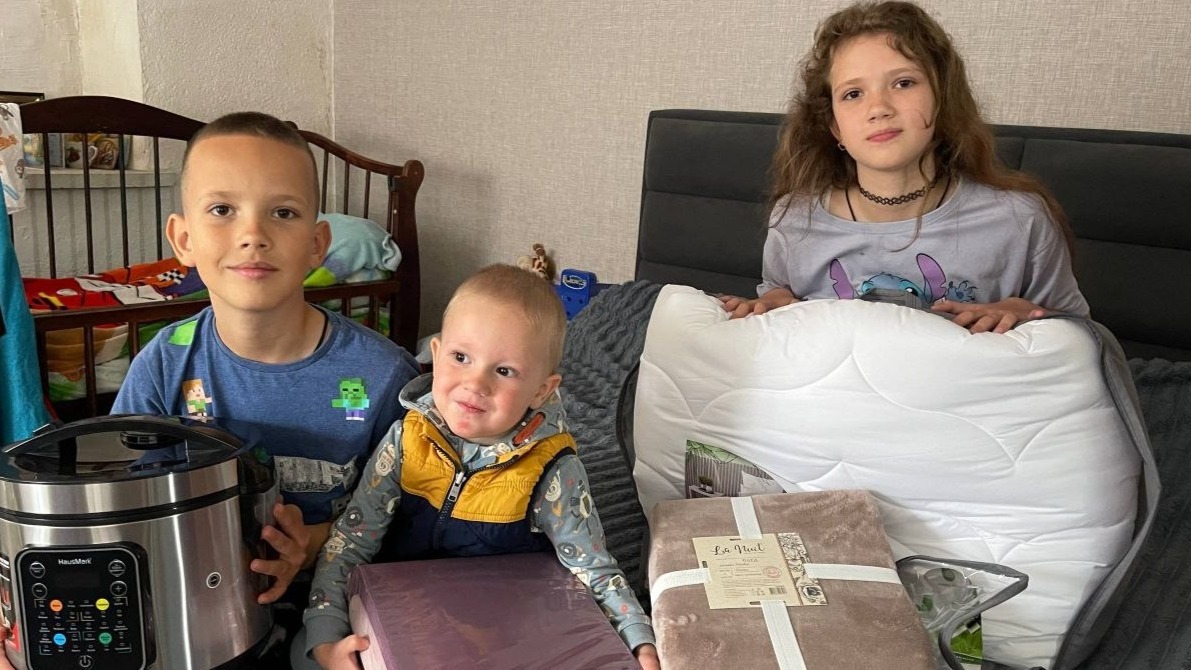
To help ease the daily challenges faced by families in the frontline Kherson region, the Kherson NGO “Journalists’ Association ‘AlternatyvA’” implemented the project “Rapid Winter Response for Ukrainian Children and Families” with the support of the Voices of Children Foundation and funding from ERIKS. The project focused on two key areas: providing essential household supplies to families with children and equipping residentialbomb shelters with generators and portable power stations.
Between March 18 and May 31, 2026, 171 families in Kherson — 671 people in total, who remain in the city despite everything — received support.
Between March 18 and May 31, 2026, 171 families in Kherson — 671 people in total, who remain in the city despite everything — received support.
How the Support Packages Were Formed
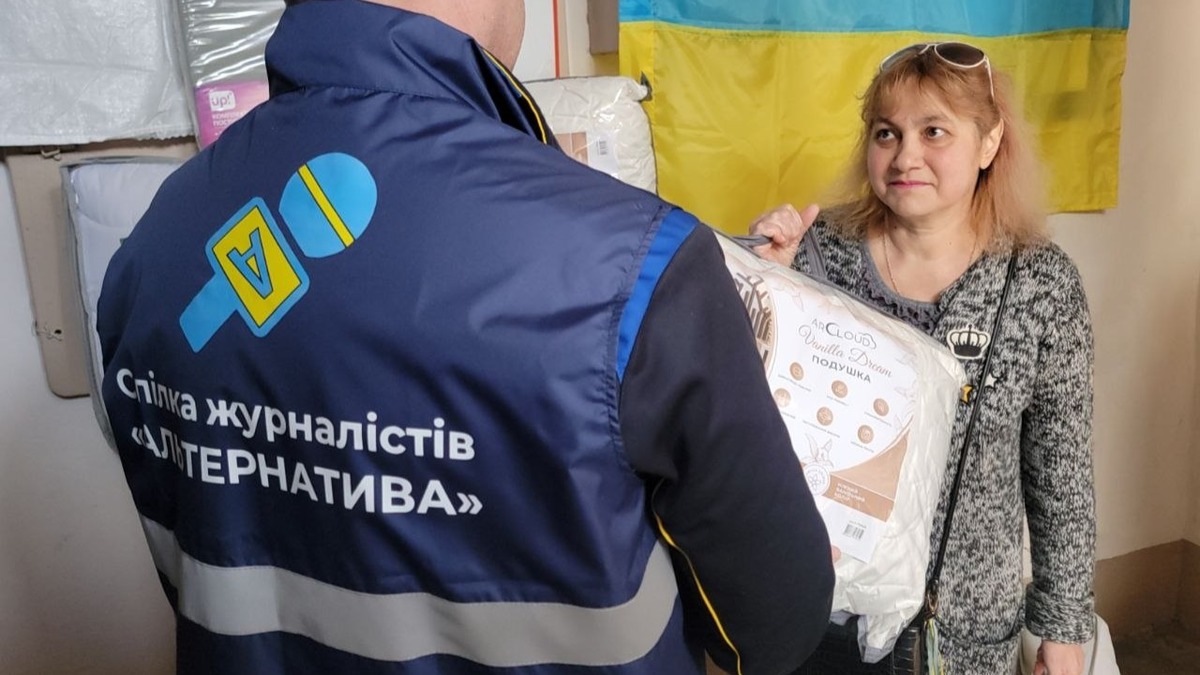
From the very beginning, the team designed four different types of support packages, each tailored to a specific need. Over the course of two months, they collected information, registered families, and spoke individually with every household. Priority was given to large families, families raising children with disabilities, low-income households, and families with IDP status.
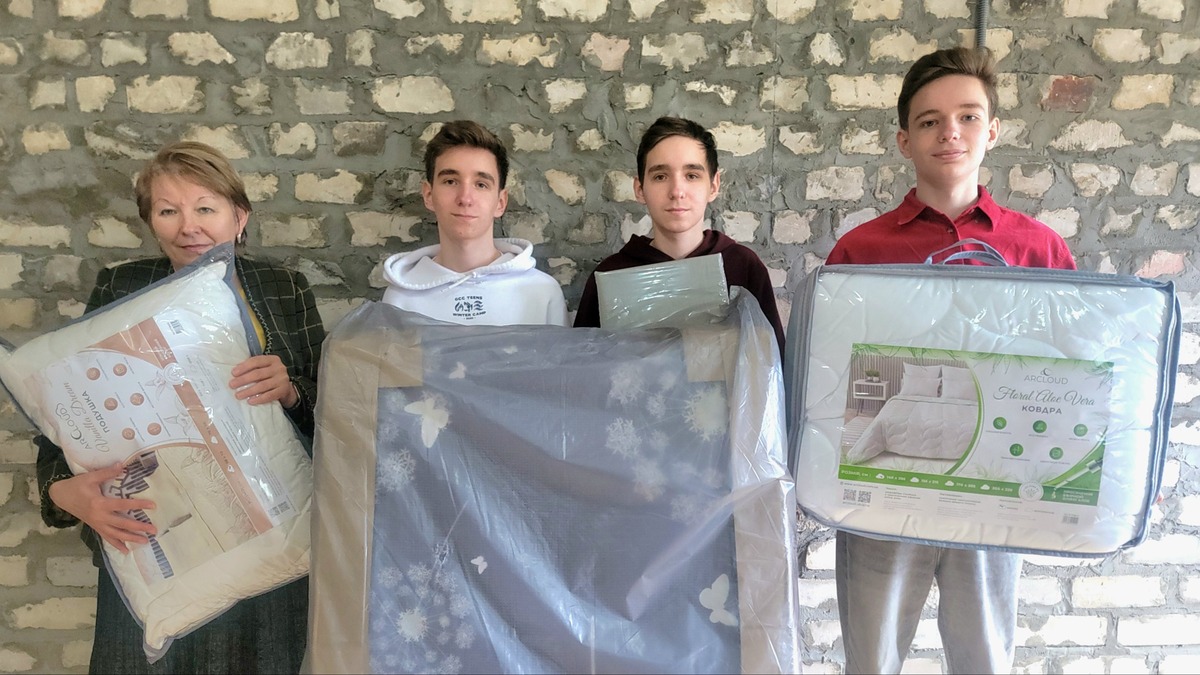
- Families with IDP status received folding beds with mattresses, pillows, and bed linen, giving children a proper place to sleep.
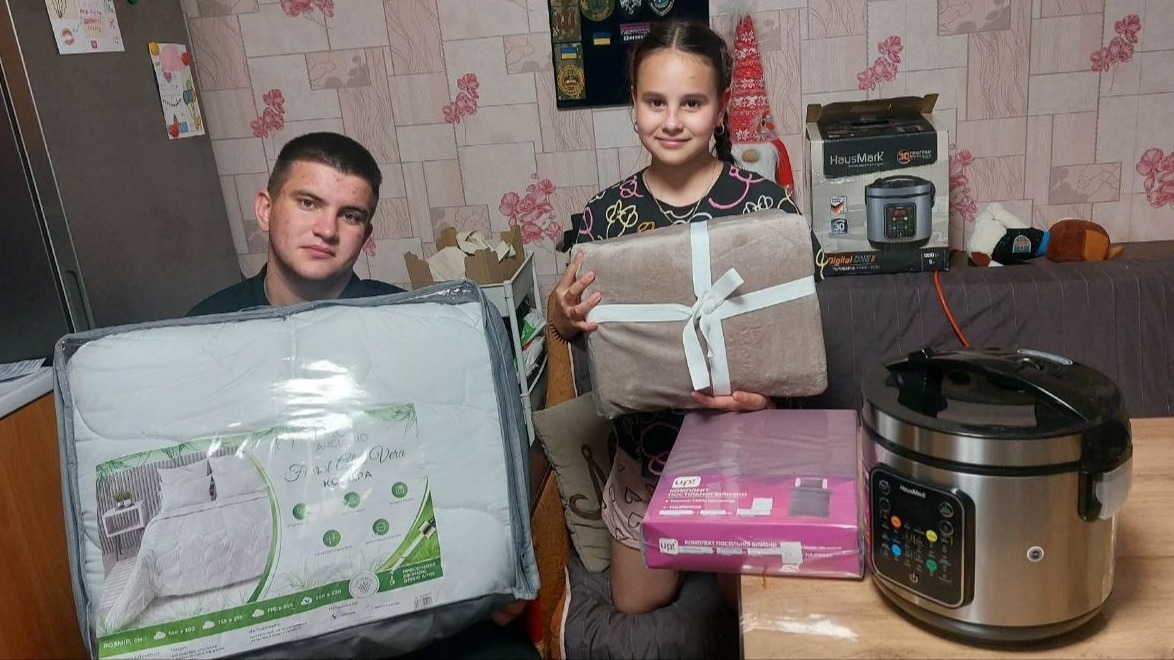
- Large families and families with young children received packages containing a multicooker, a warm blanket, and bed linen.
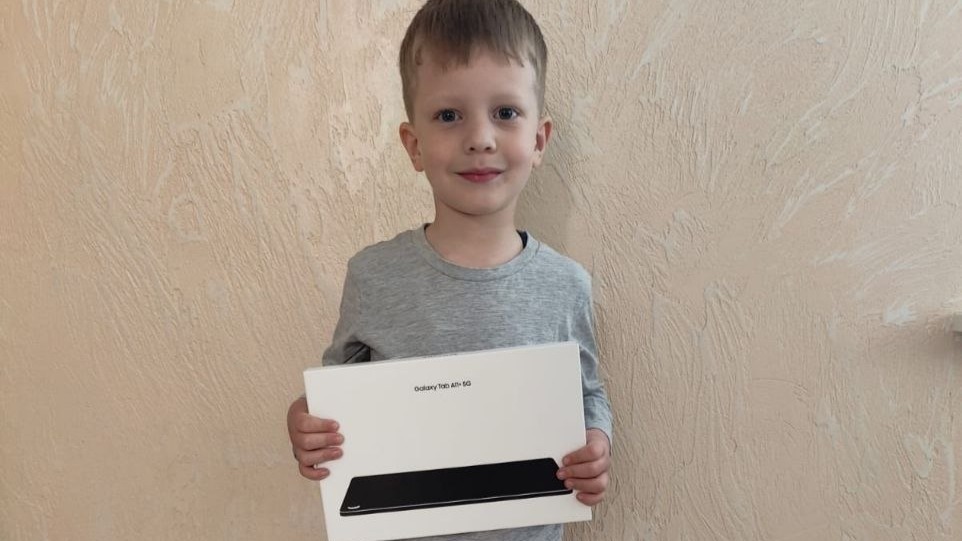
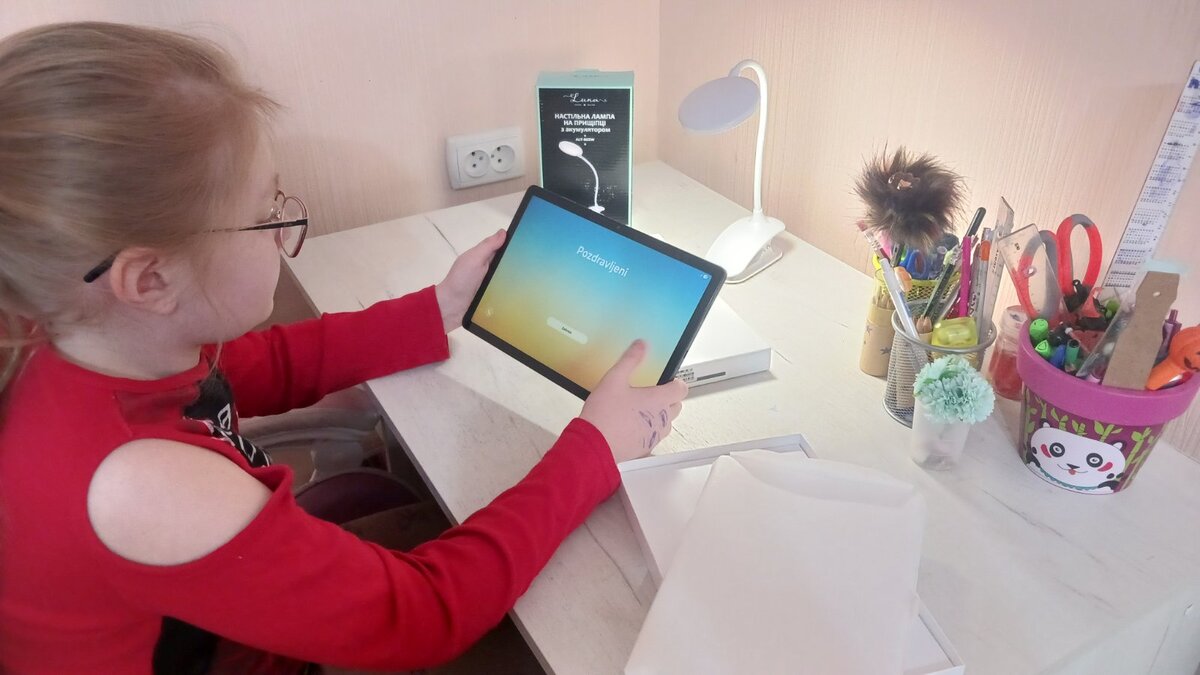
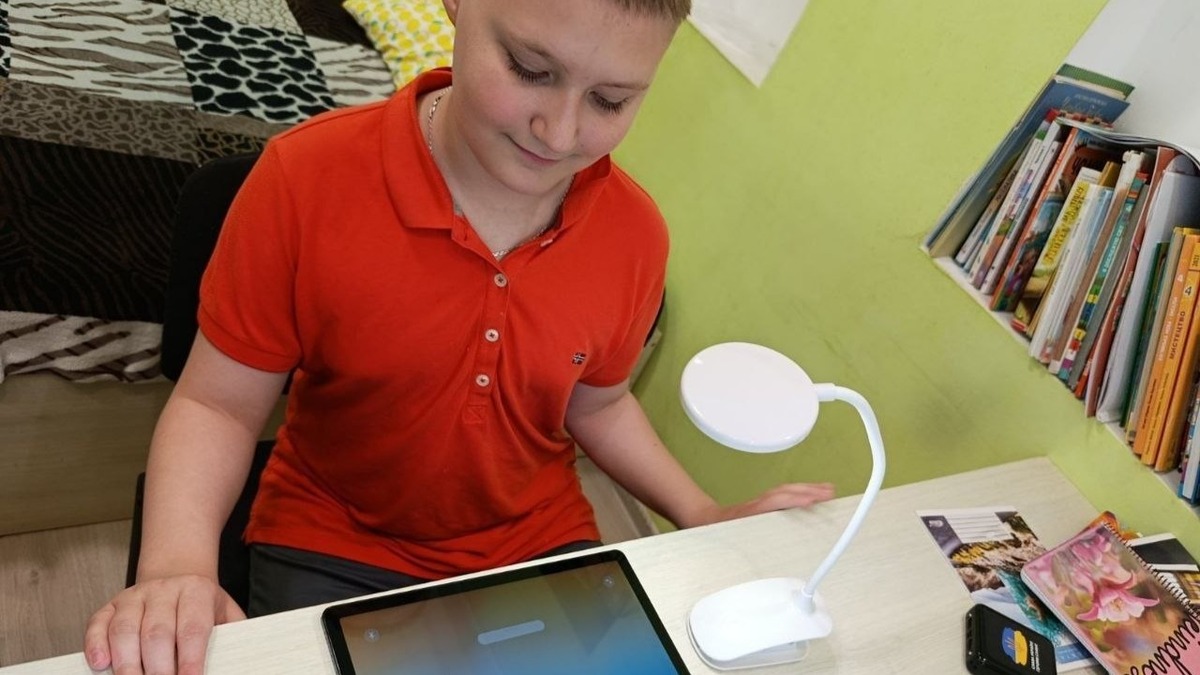
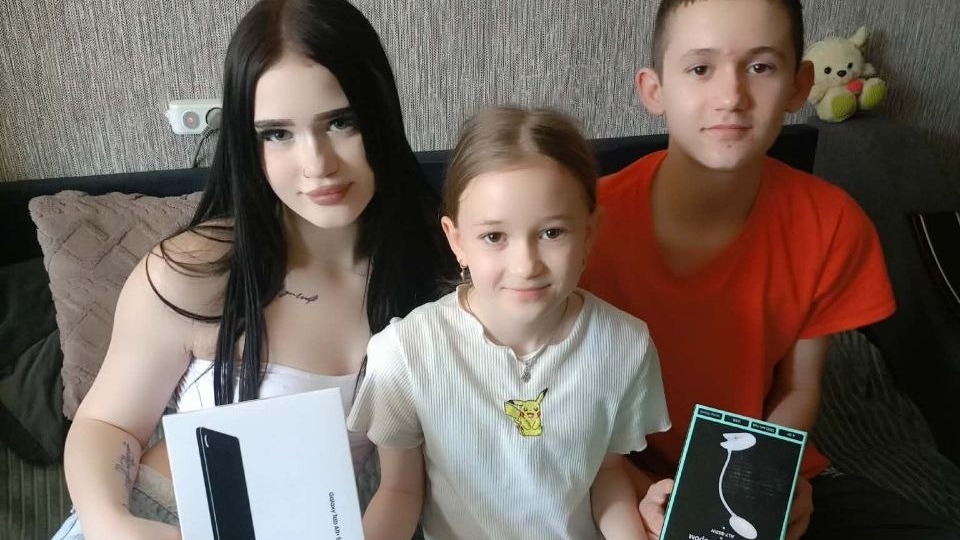
- School-aged children received Samsung Galaxy Tab tablets and USB-powered desk lamps.
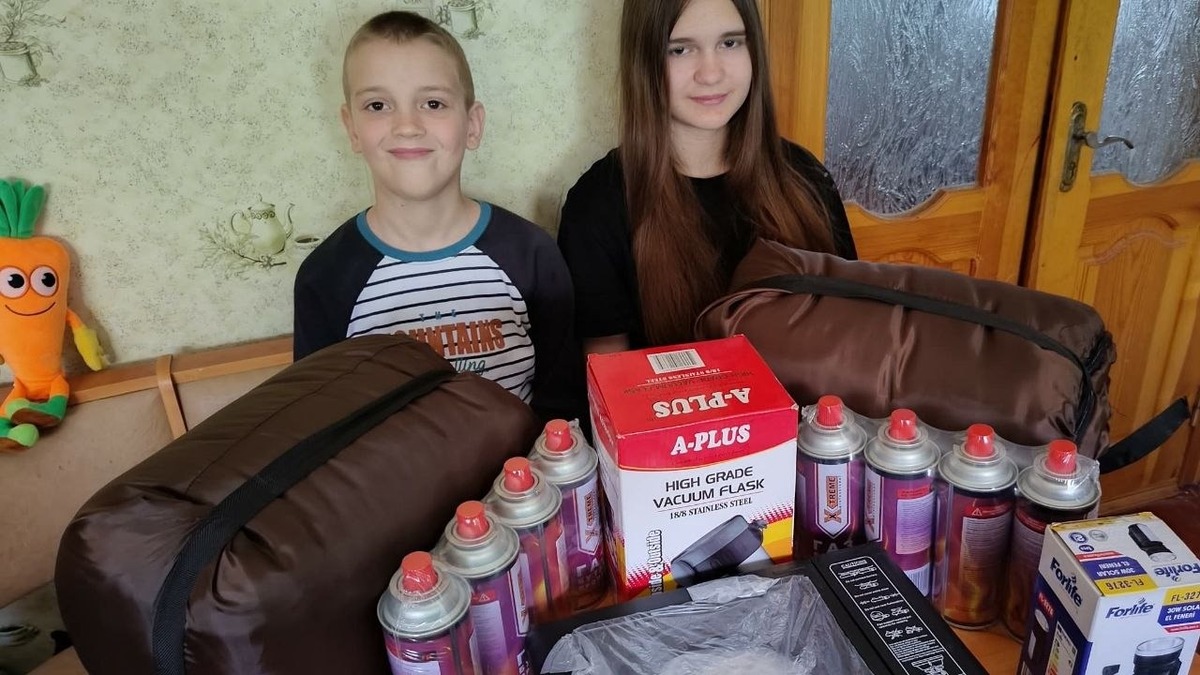
- Families living in apartments with electric stoves received the most winter-focused package: a portable gas stove with fuel canisters, a rechargeable flashlight with a solar panel, a thermos, and two warm sleeping bags.
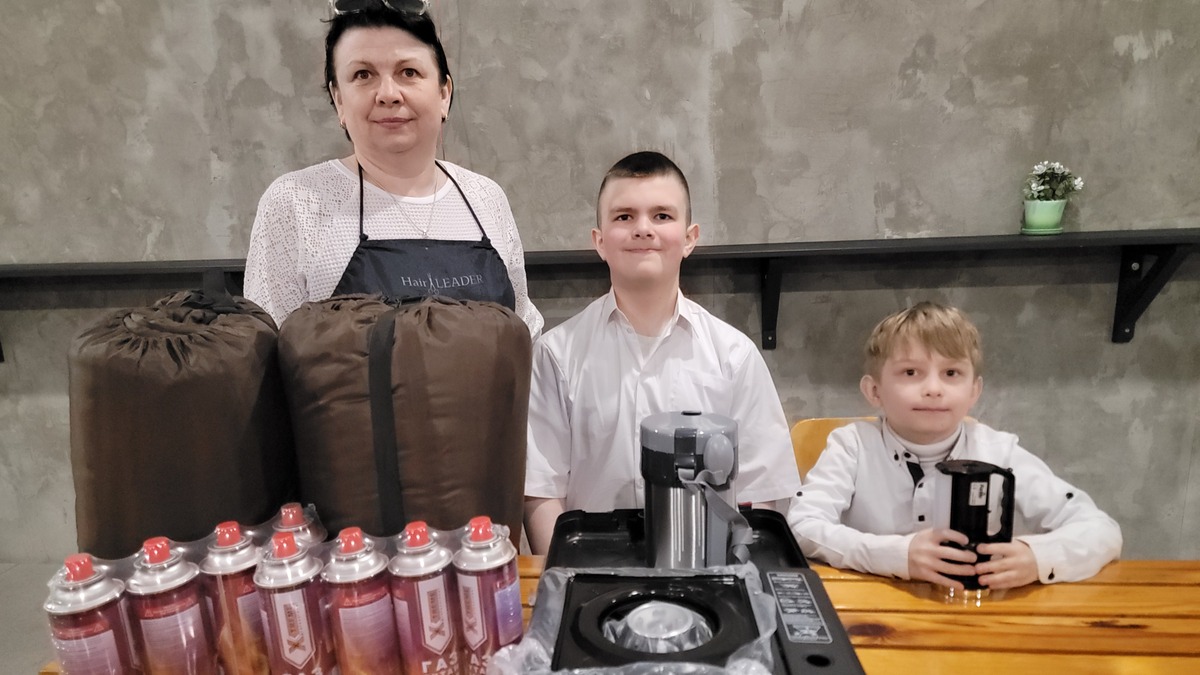
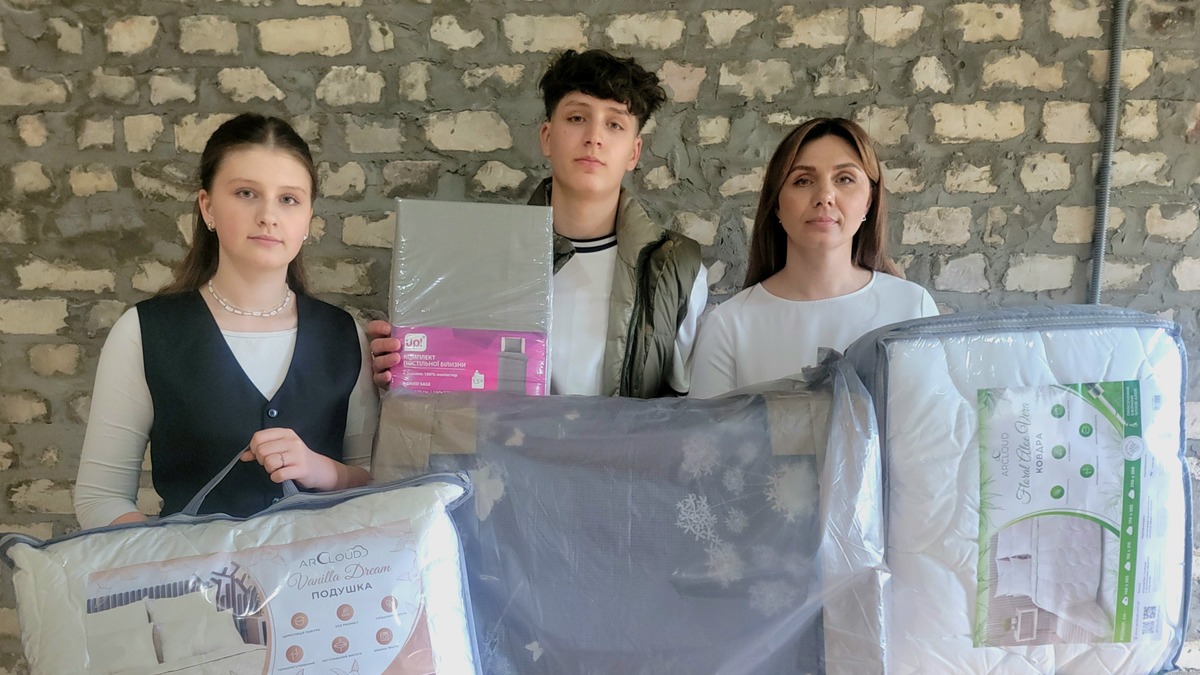
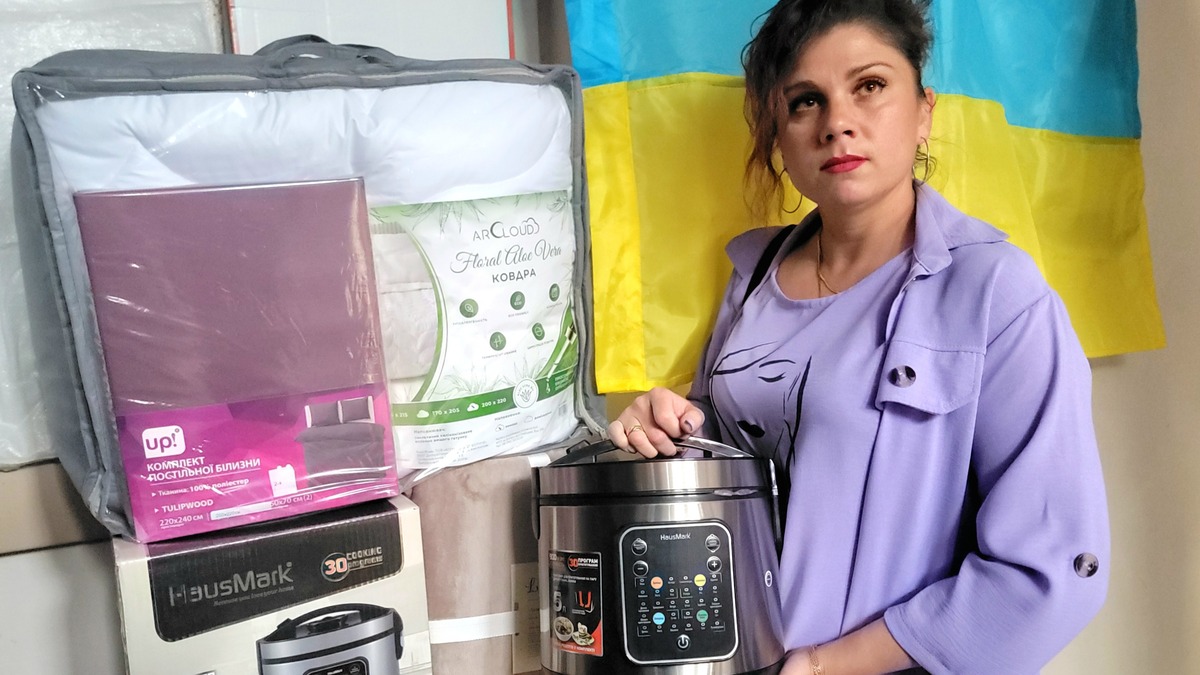
The team carried out this work under constant danger. On one occasion, the Nova Poshta (Nova Post) branch where they were collecting supplies for the support packages came under Russian shelling. Before every distribution, volunteers called each family to check the security situation and, whenever necessary, rescheduled the pickup so that no one would have to risk their life just to receive assistance.
The Stories of Families Supported in Kherson
Olena is raising a son with a disability. He has diabetes and severe vision problems. Due to cataracts, he is gradually losing his sight. But despite this, he continues his education. The family also cares for Olena’s elderly parents, who lived through the Russian occupation. Leaving Kherson is not an option because of their health and other family circumstances. Last winter, marked by long power outages and freezing temperatures, was especially difficult for the family. They received a blackout preparedness kit containing a sleeping bag, a flashlight, a thermos, and a portable gas stove.
To be honest, you’re my hope of getting help because I don’t know who else to turn to. We lived through the occupation and the difficult times that came after. Last winter was incredibly difficult for our family. This kind of support gives us confidence that we’ll be able to face the challenges ahead and make it through another winter,
Vitalii’s family now splits its time between two homes — their apartment in Kherson and his grandmother’s repaired house in a nearby village, where it is safer. However, they cannot relocate there permanently. Their son requires ongoing medical care, regular sessions with specialists in Kherson, and a strict gluten- and lactose-free diet. His parents travel to the city frequently so he can attend therapy sessions and medical appointments. The family received a household support package that included a multicooker, which has quickly become an essential part of their daily routine. It allows them to prepare safe meals for their son quickly while using very littleelectricity.
Two other families received tablets, helping their children attend online classes, complete homework, and stay connected with their teachers and classmates.
Two other families received tablets, helping their children attend online classes, complete homework, and stay connected with their teachers and classmates.
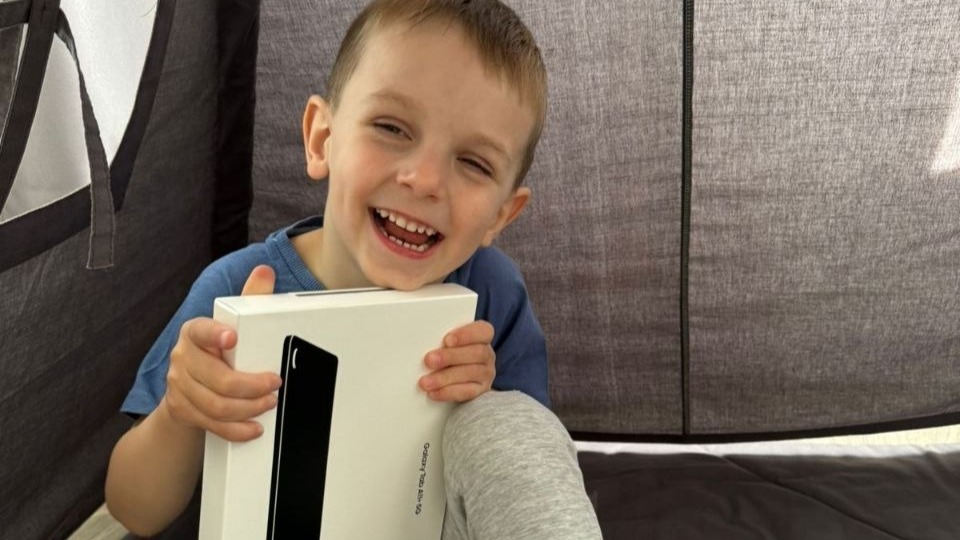
Iryna and her four children survived the occupation of Kherson and continue to live in the city despite daily shelling, doing everything they can to ensure the children can keep learning and have a sense of stability. Another mother, Olena B., is raising her seven-year-old son with a disability on her own. He requires round-the-clock care, making it impossible for her to work. At the same time, difficulties in finding suitable housing in a safer region have made it much harder for the family to evacuate.
Generators and Portable Power Stations for Kherson Residents
The second part of the project was launched in response to requests from the Kherson residents themselves. Representatives of apartment building associations whose basements serve as shelters for hundreds of people reached out to the team, along with members of a gardening cooperative on the outskirts of the city. Today, these shelters provide a place of safety for many families from the so-called “red zone” — the areas most heavily affected by constant Russian shelling and drone attacks.
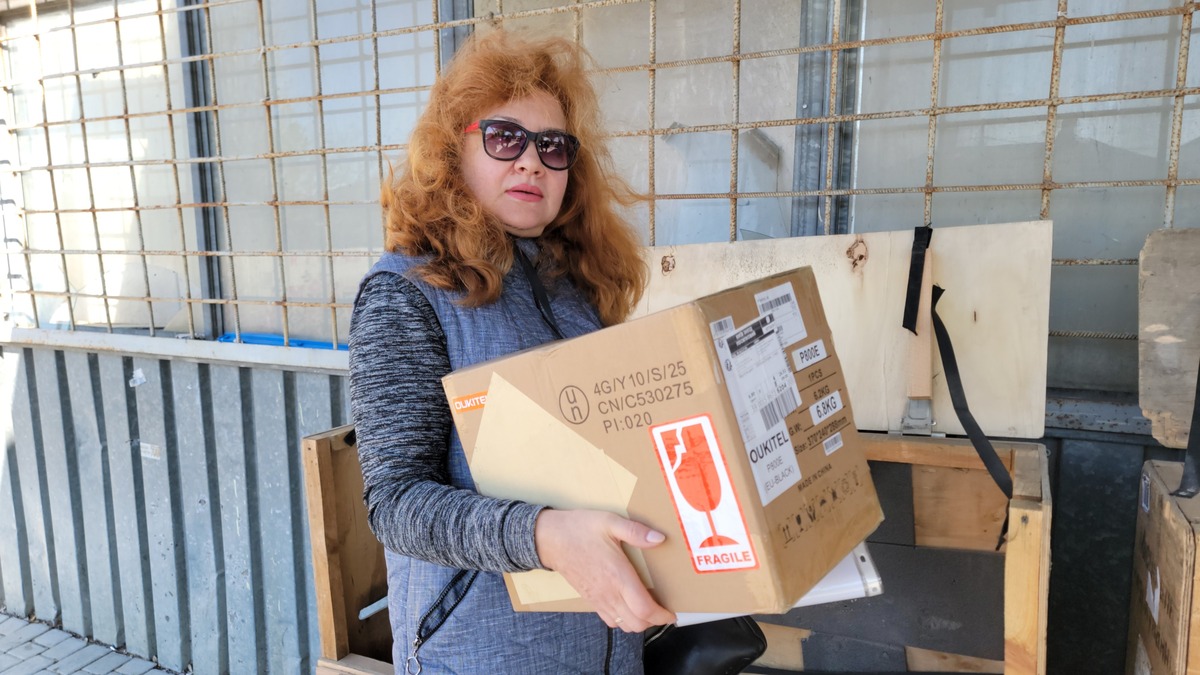
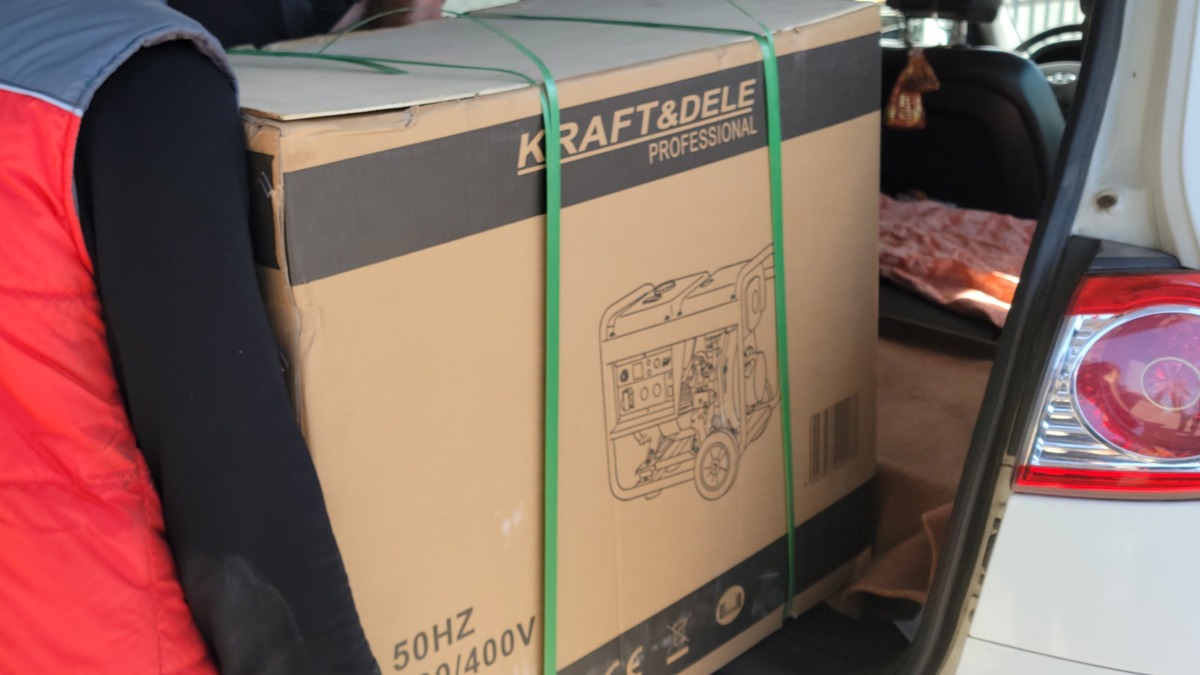
When deciding where to deliver the equipment, the team considered the number of people using each shelter, its condition, and how frequently it was used during attacks.
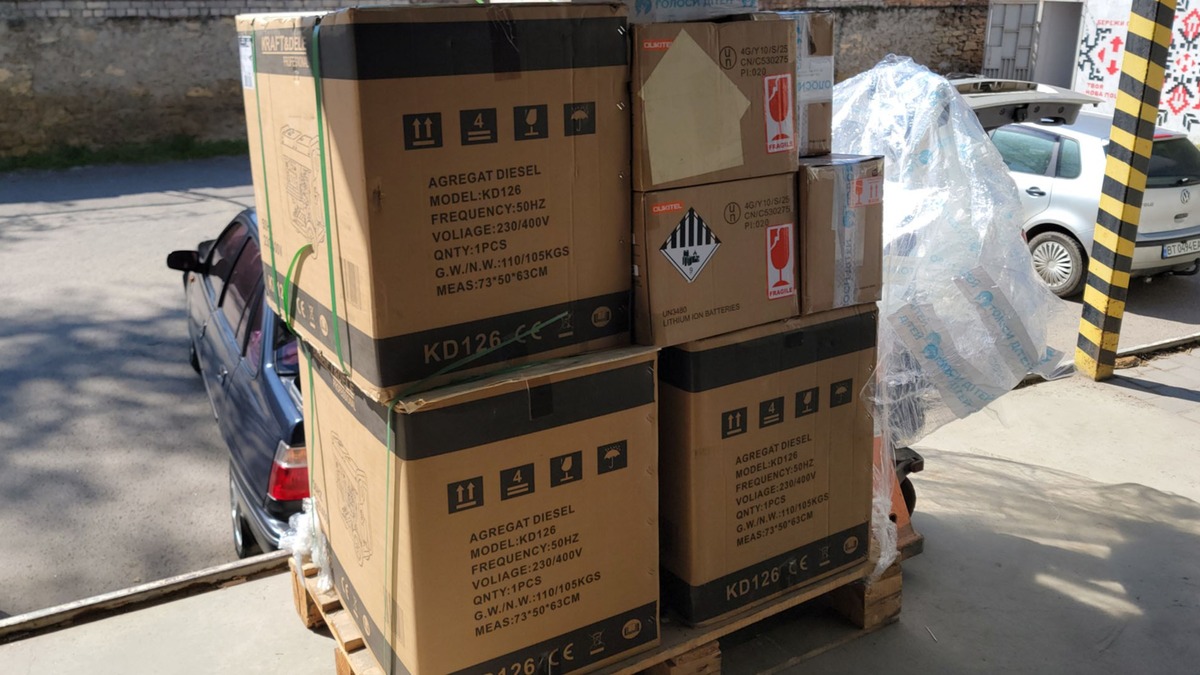
- Five generators were provided to the apartment building associations Sigma, Monolit-14, Karavela, Vesna, and the Mriia gardening cooperative in the village of Sadove.
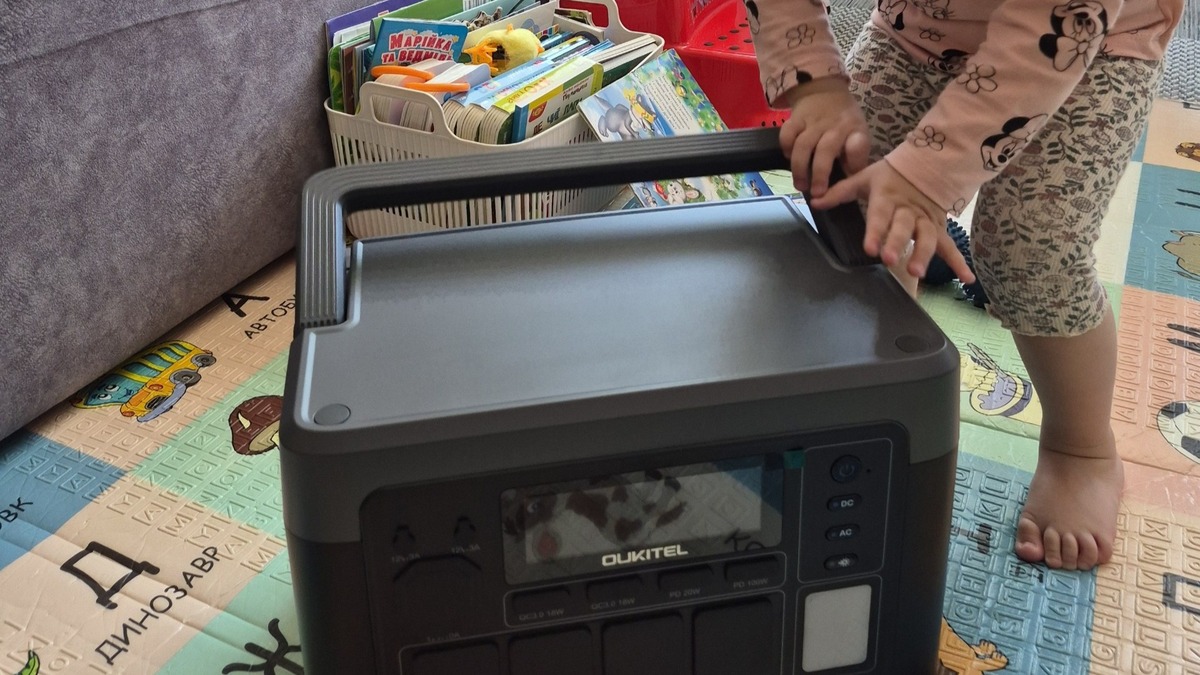
- Three portable power stations were installed in shelters managed by the Vesna apartment building association, where up to 400 people take refuge during shelling, as well as at the Budivelnyk, 27A, and My Home – Budonnoho, 12 apartment building associations.
- Four additional portable power stations were provided directly to families for whom electricity means both safety and a vital connection to loved ones. One went to a large family raising their own children and the children of the mother’s sister. Another was given to a family living in an apartment building where, after prolonged shelling, only three apartments remain occupied. They agreed to share the power station with their neighbors, meaning it now effectively supplies electricity to the entire section of the building. The remaining two stations were provided to families who had recently evacuated from active combat areas and were temporarily staying with friends in homes where electricity cuts are a daily reality.
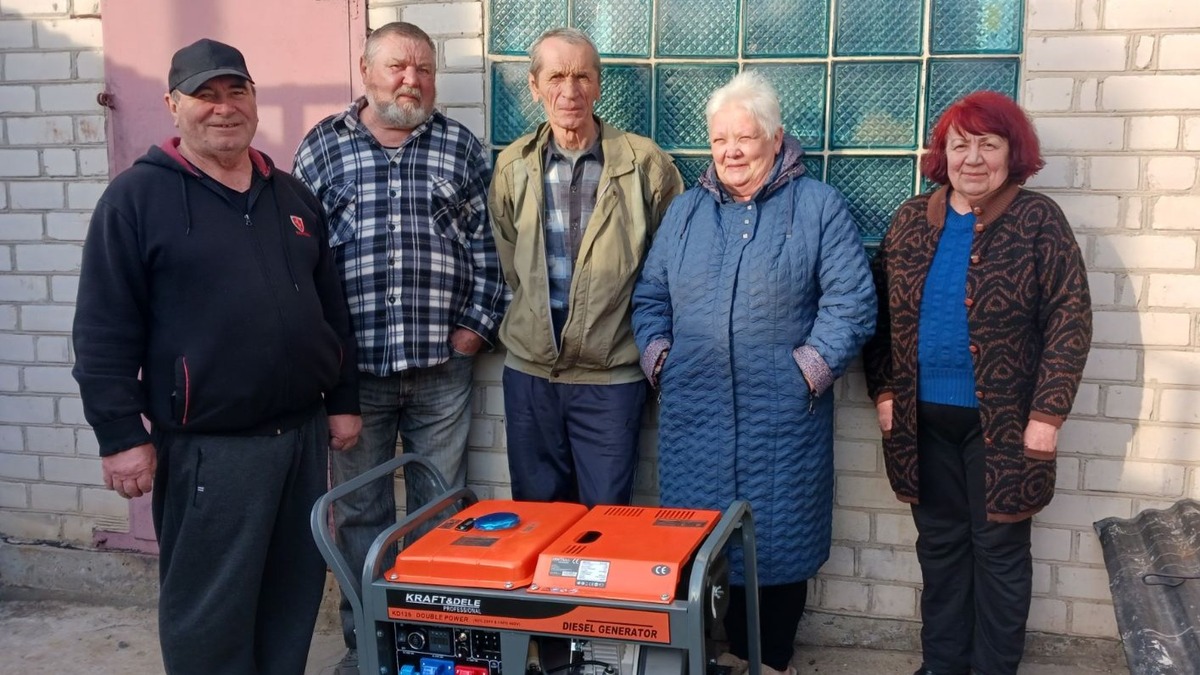
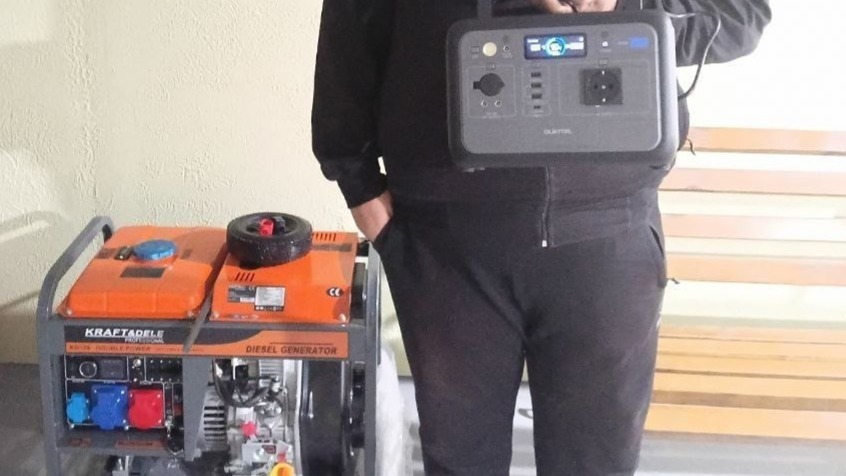
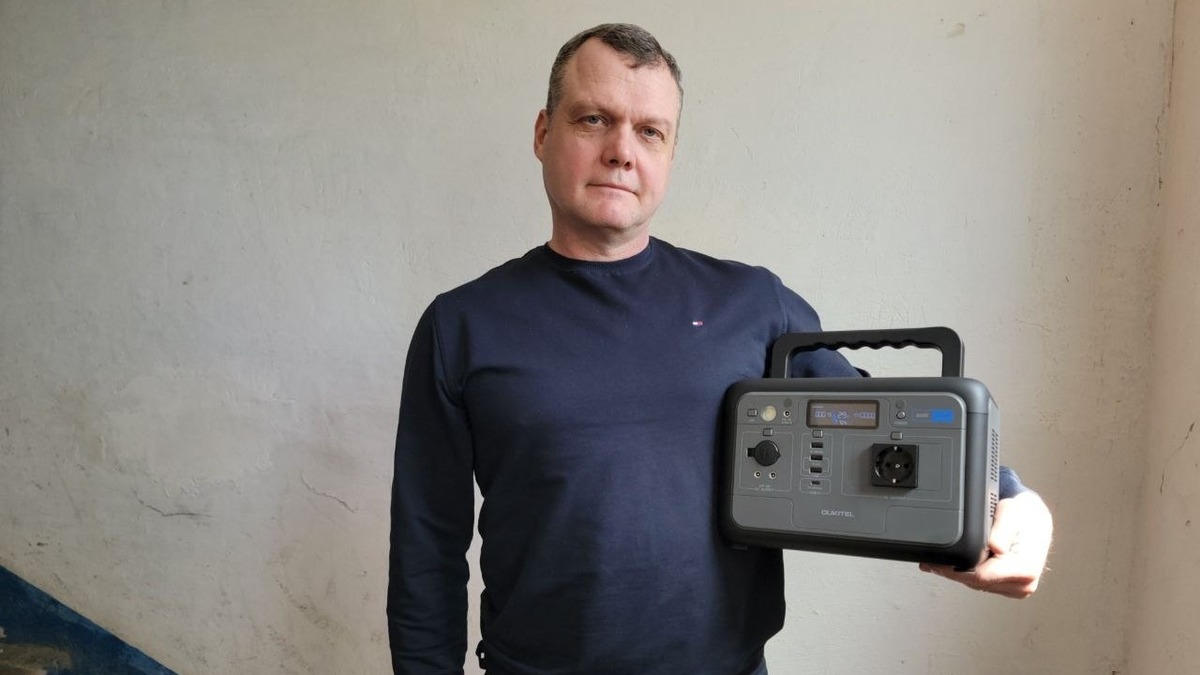
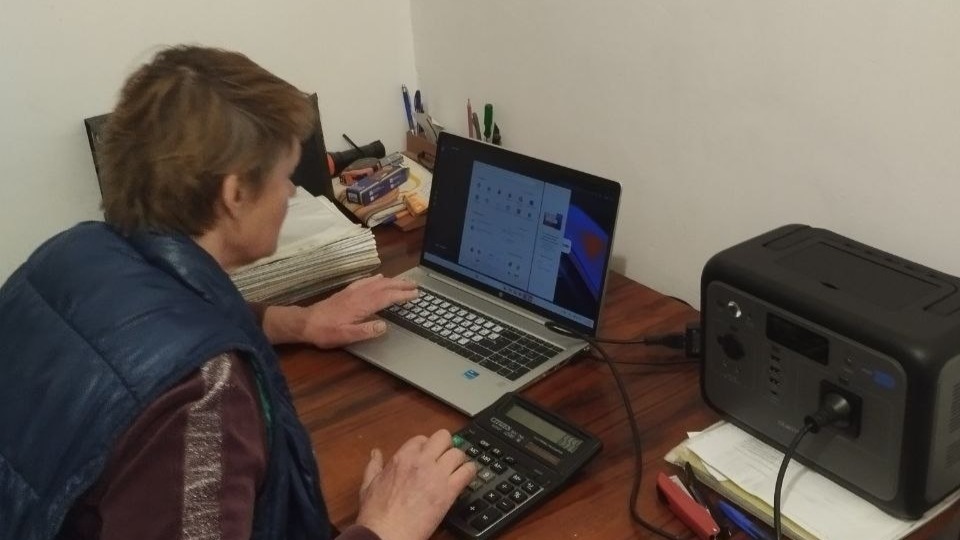
Previously, these families had to walk to shelters or local Points of Invincibility simply to charge their phones and power banks. Now they can stay connected for several days without leaving home. As long as Kherson remains under constant Russian attack, ordinary things become sources of stability: a safe place to sleep in a shelter, the ability to cook a hot meal during a blackout, or a charged phone. Sometimes, these simple things are what help families keep going and plan for at least one more evening.
This publication was made possible with financial support from ERIKS. The views and interpretations expressed do not necessarily reflect those of ERIKS. Responsibility for the content lies solely with the Voices of Children Charitable Foundation.
Share: