Author:

Yuliia Didenko
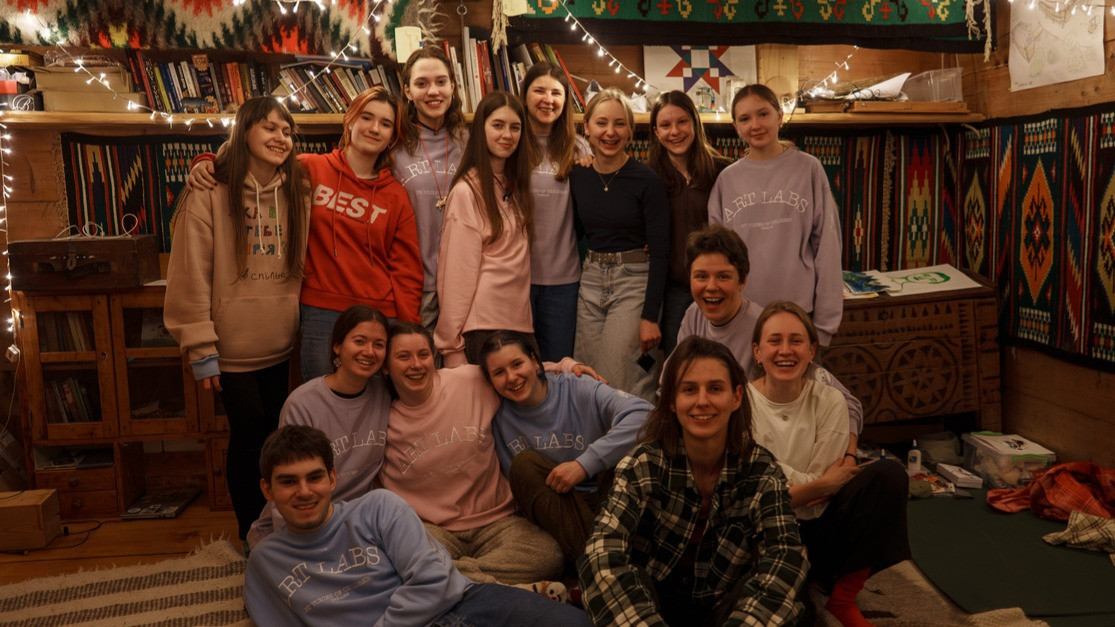
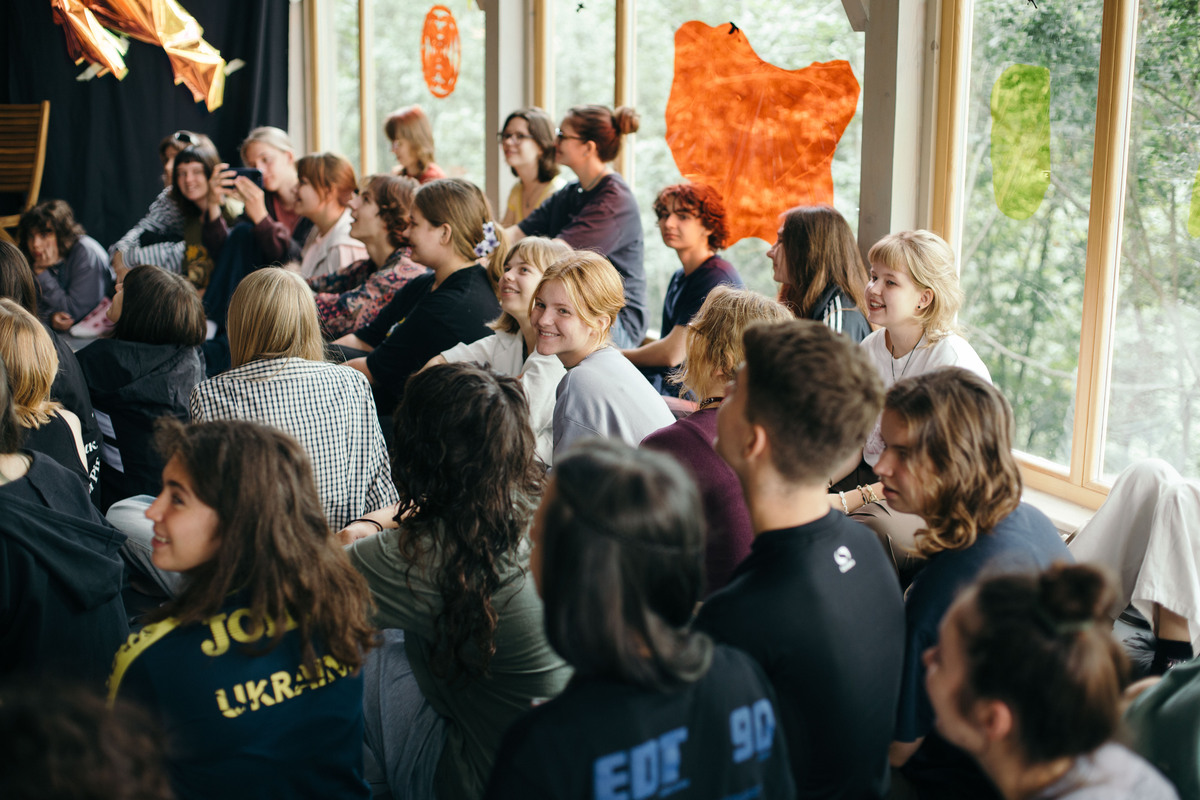
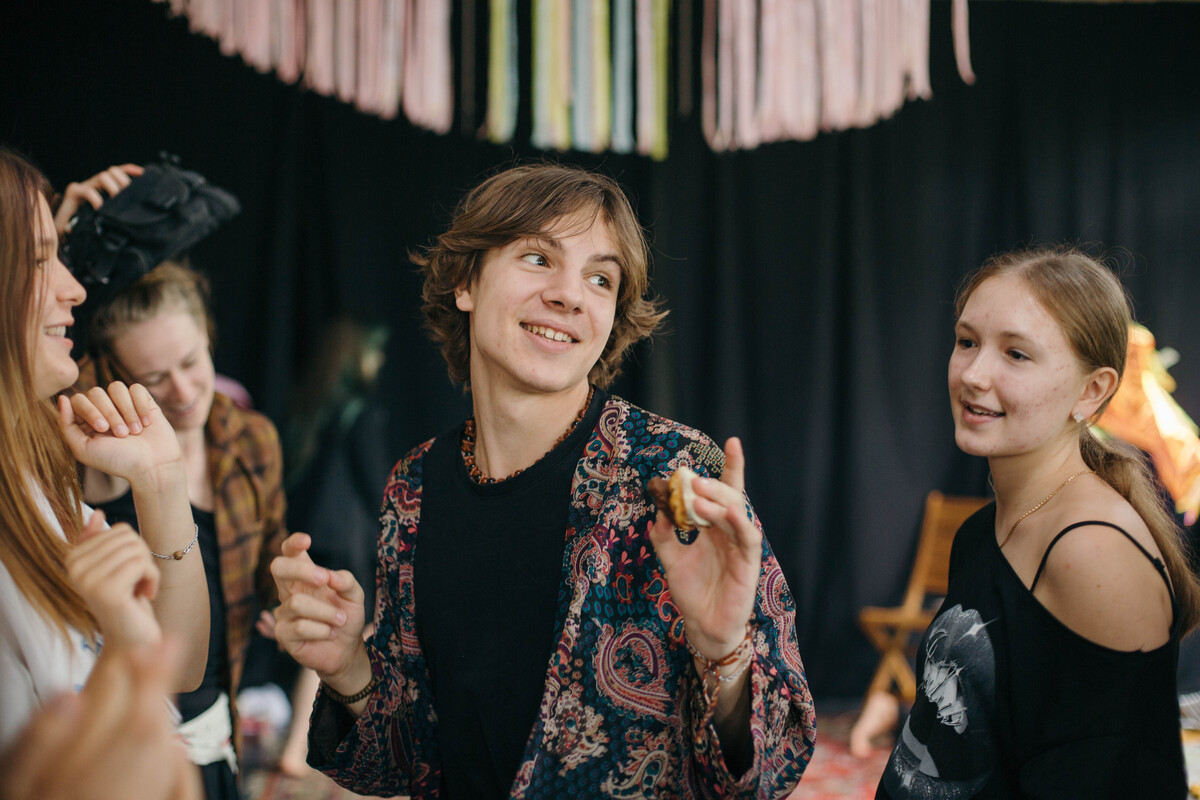
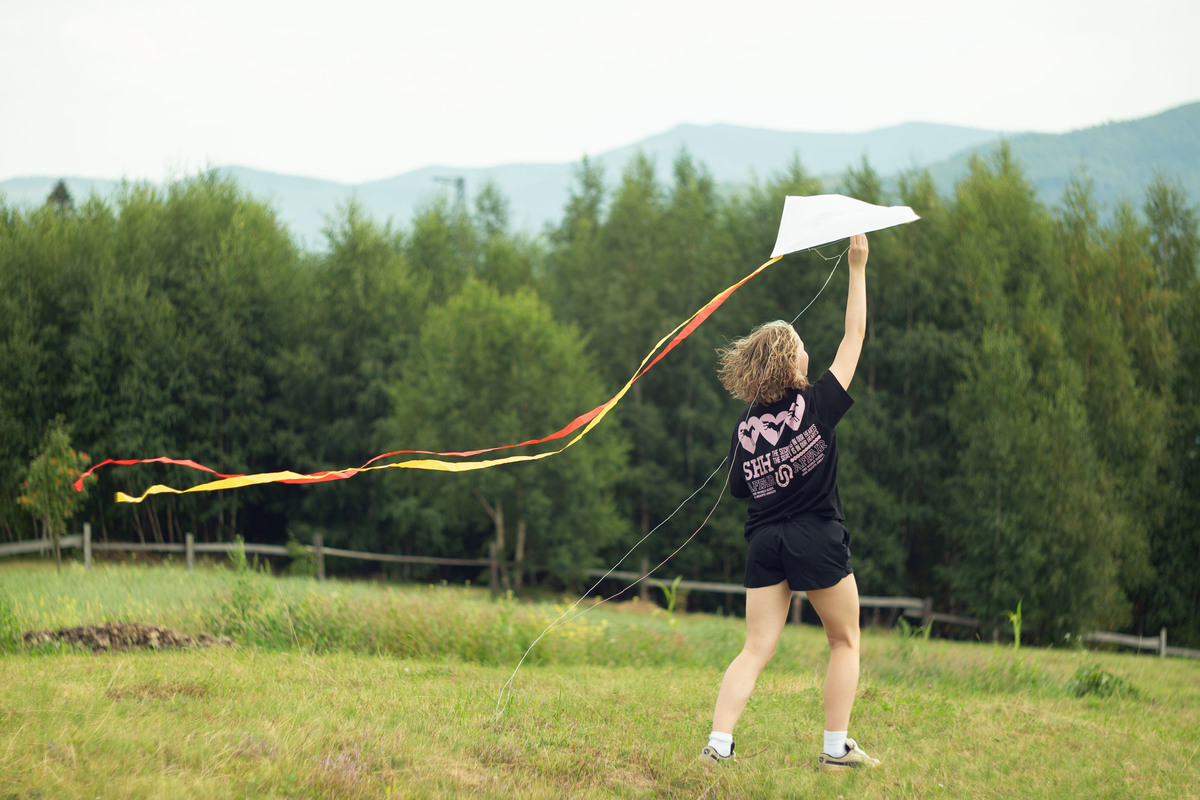
For six days in August, a bar appeared in the Carpathians where you paid for tea not with money, but with leaves from the trees. Nearby, teenagers flew kites against the mountain backdrop, while every evening brought live music. This was the Youth Retreat — a major gathering that brought together alumni of the Voices of Children Foundation’s arts labs from across Ukraine. Each of these teenagers had previously taken part in one of our creative residencies. This time, for the first time, they all came together in one place.
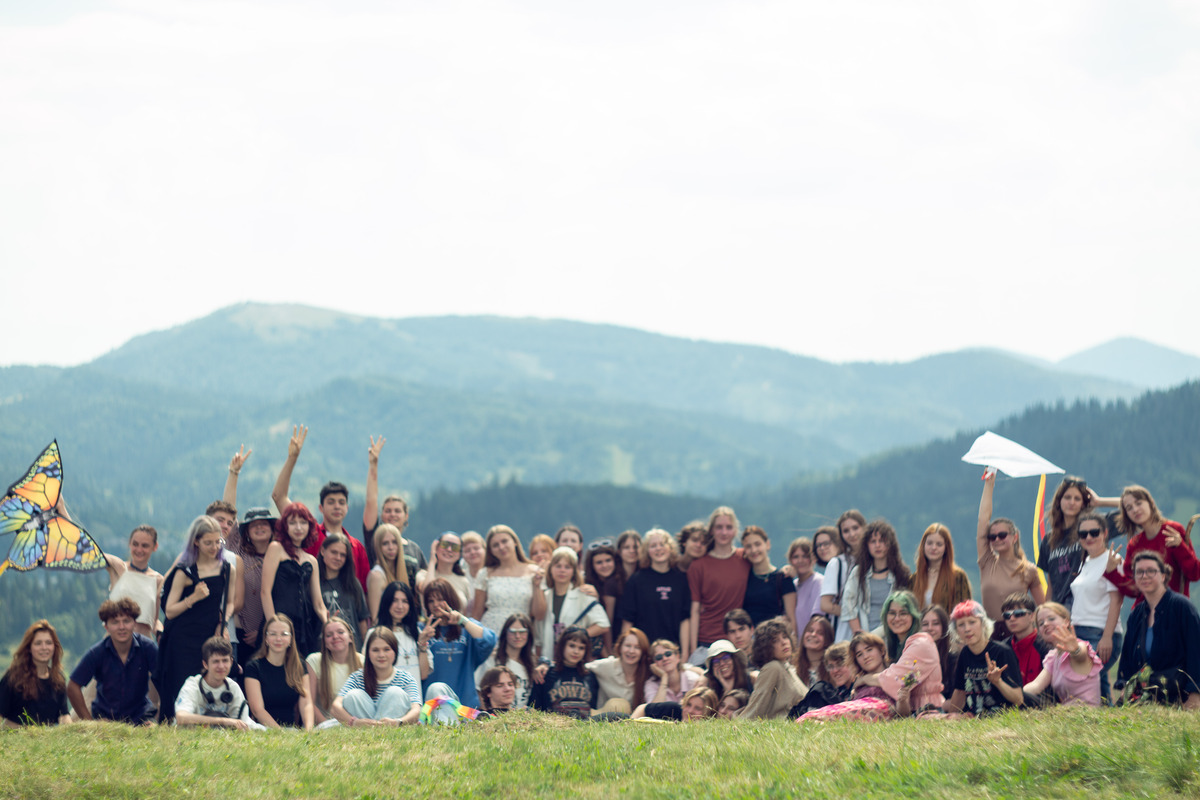
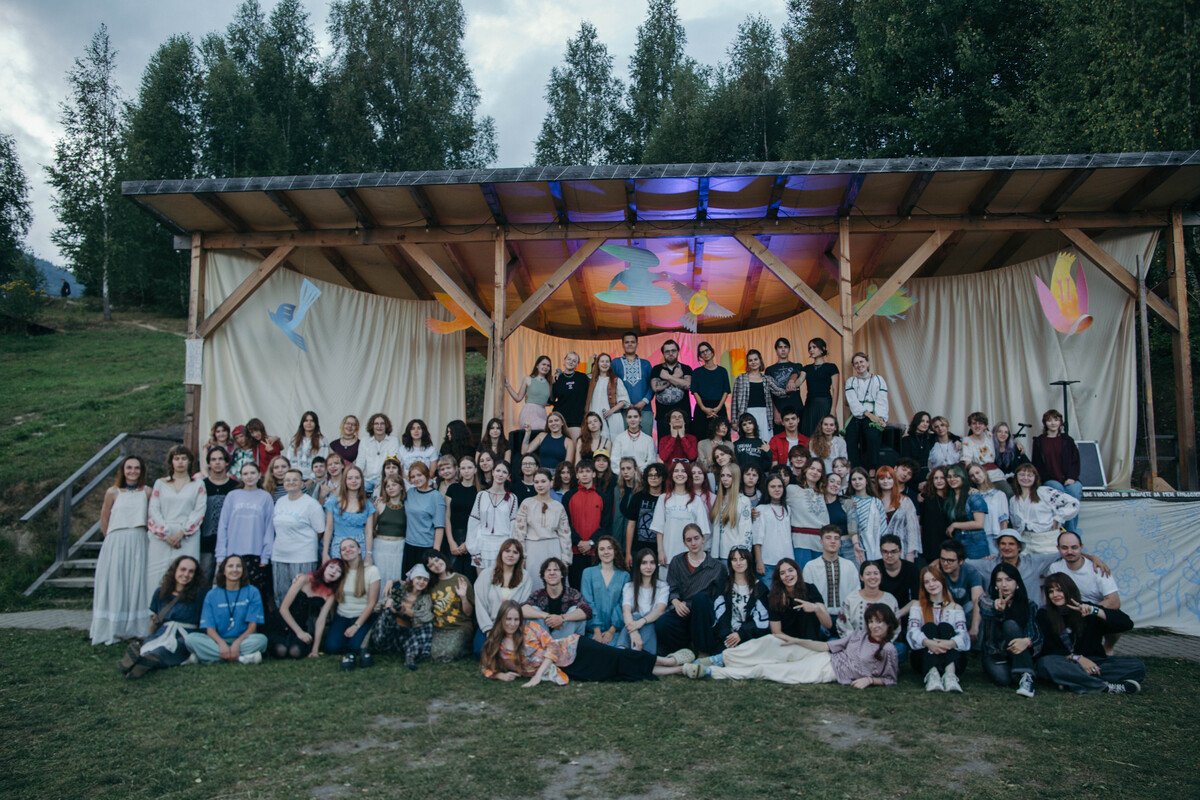
At the Creative Residence MC6 in Slavske, 94 teenagers aged 16–19 came together from different cities and different residencies, each carrying their own experiences. Many of them live under Russian attacks, so from the very beginning, our main concern was how to give them a chance to rest and feel supported. And it seems we succeeded: over those six days, there were tears and laughter; people opened up, performed their own songs on stage for the first time, and finally got a peaceful night’s sleep.
At the Creative Residence MC6 in Slavske, 94 teenagers aged 16–19 came together from different cities and different residencies, each carrying their own experiences. Many of them live under Russian attacks, so from the very beginning, our main concern was how to give them a chance to rest and feel supported. And it seems we succeeded: over those six days, there were tears and laughter; people opened up, performed their own songs on stage for the first time, and finally got a peaceful night’s sleep.
When You Finally Let Yourself Cry
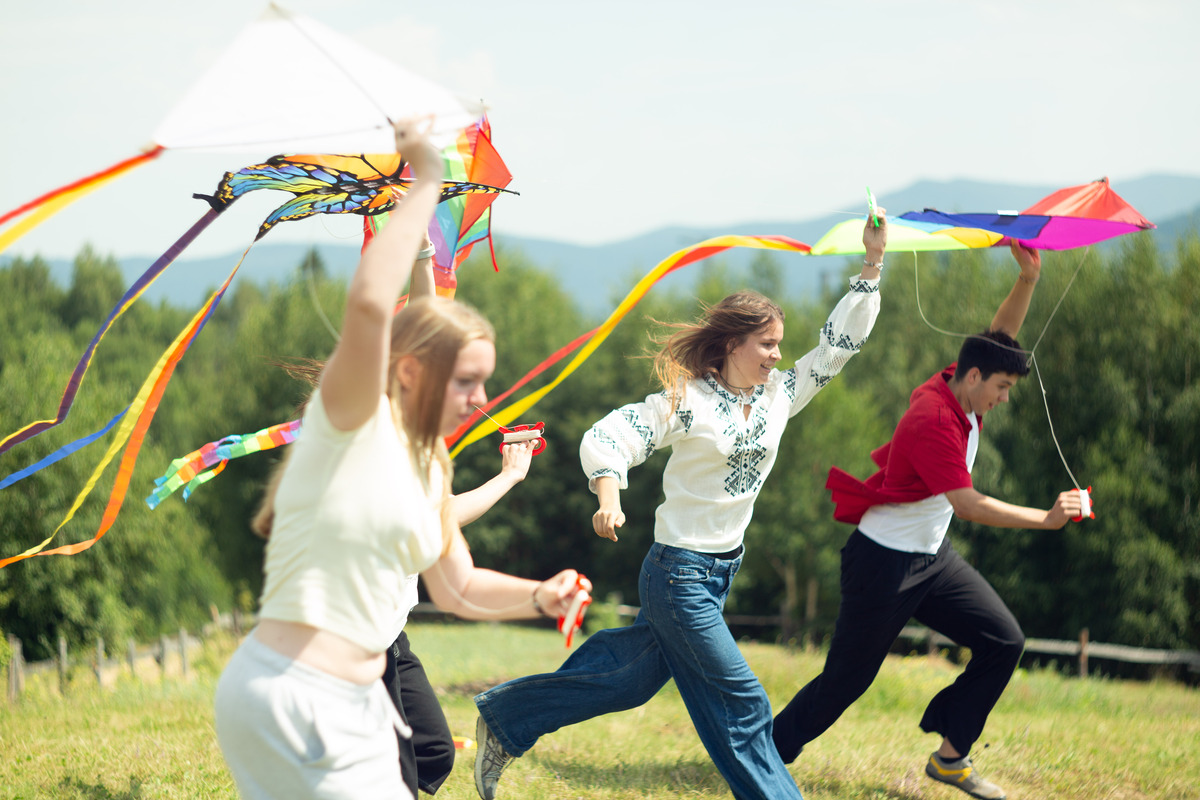
We wanted to create a place where you could lie in a hammock, join a quiet tea ceremony, or paint among the trees for as long as you wanted. A place where there was plenty of everything: paints, drinks, sweets, and instant cameras. A place where everyone could catch themselves thinking: I feel good here.
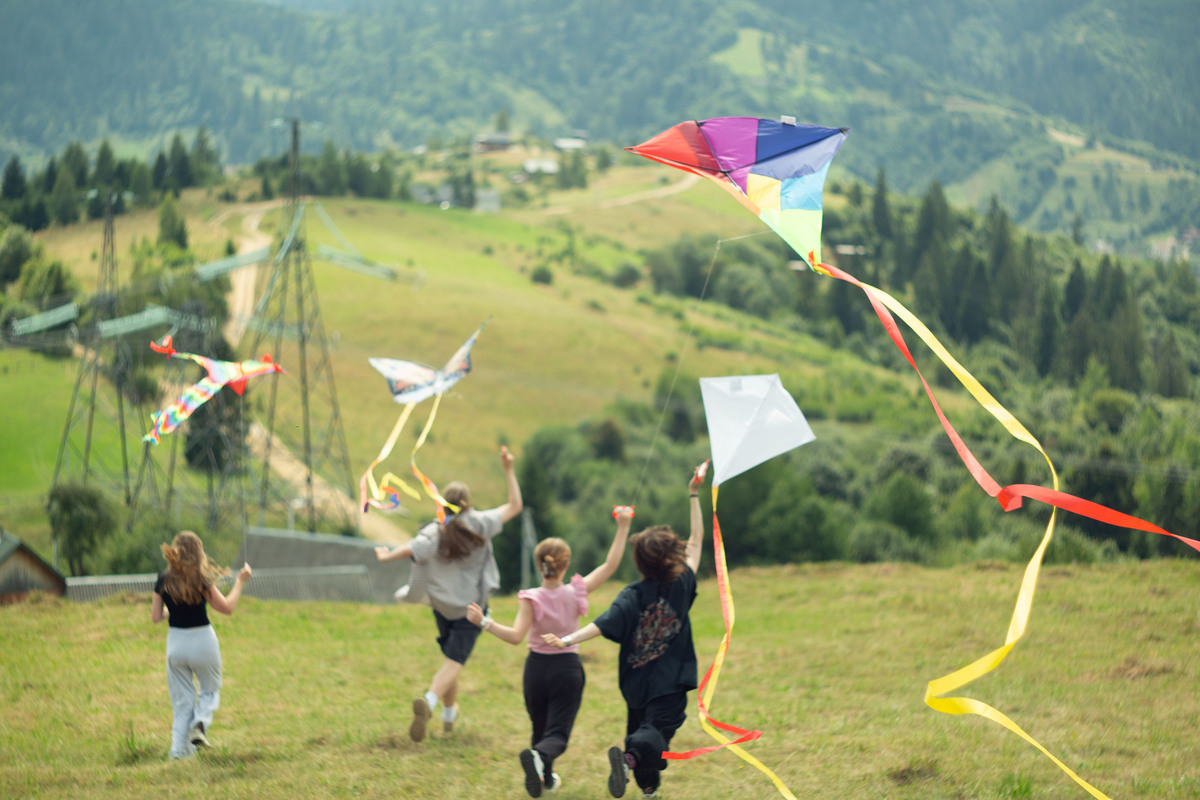
For Lina from Kharkiv, this space felt like a return to childhood. She recalled flying kites in the mountains and admitted that the memories still bring her to tears
For Lina from Kharkiv, this space felt like a return to childhood. She recalled flying kites in the mountains and admitted that the memories still bring her to tears
My heart skipped a beat when I saw that drinks at the bar were priced in leaves from the trees... Thanks to you, I got to be a child again. It felt as if we were just teenagers somewhere in Europe, having the best evenings of our lives without knowing what war is,
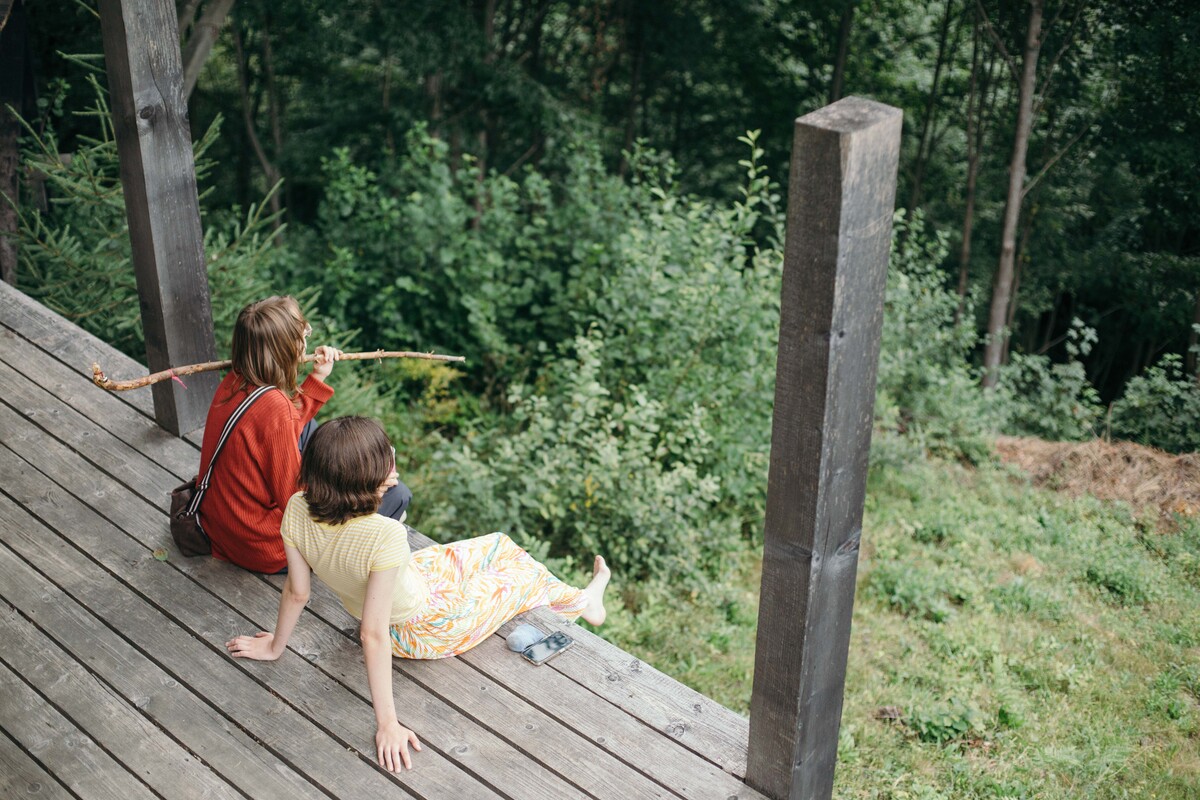
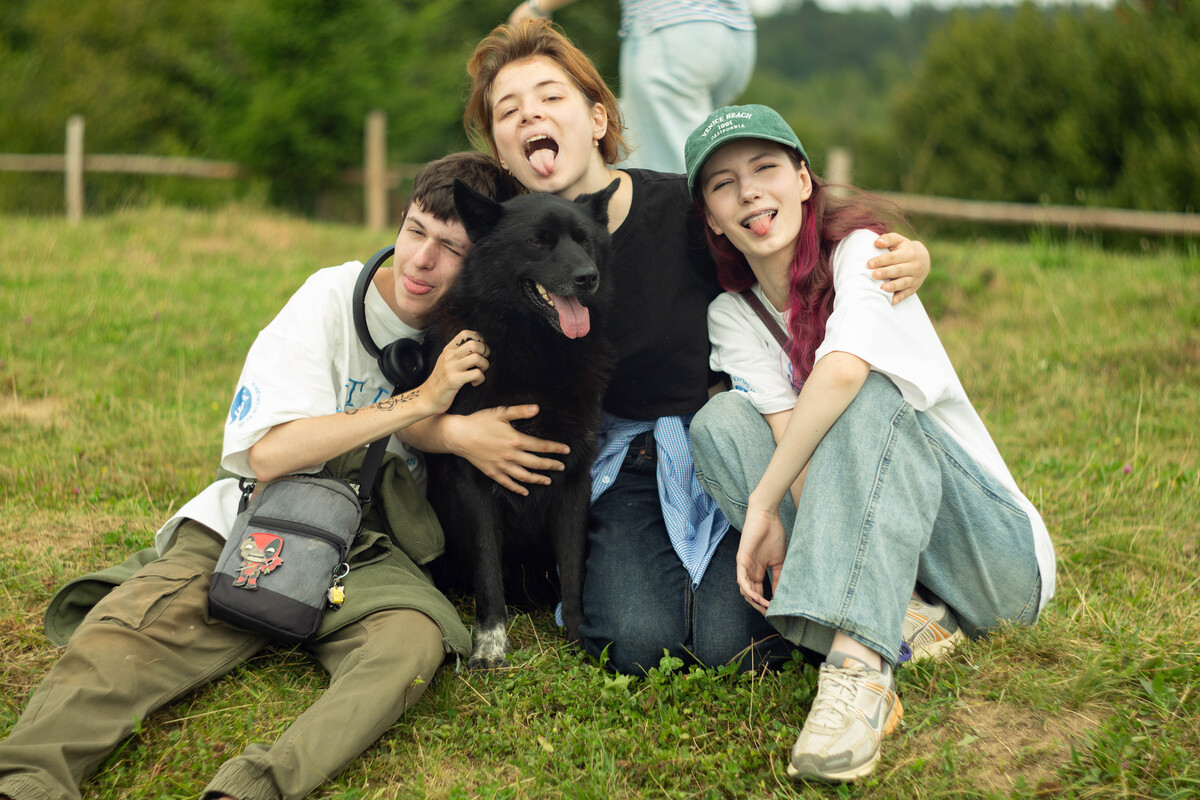
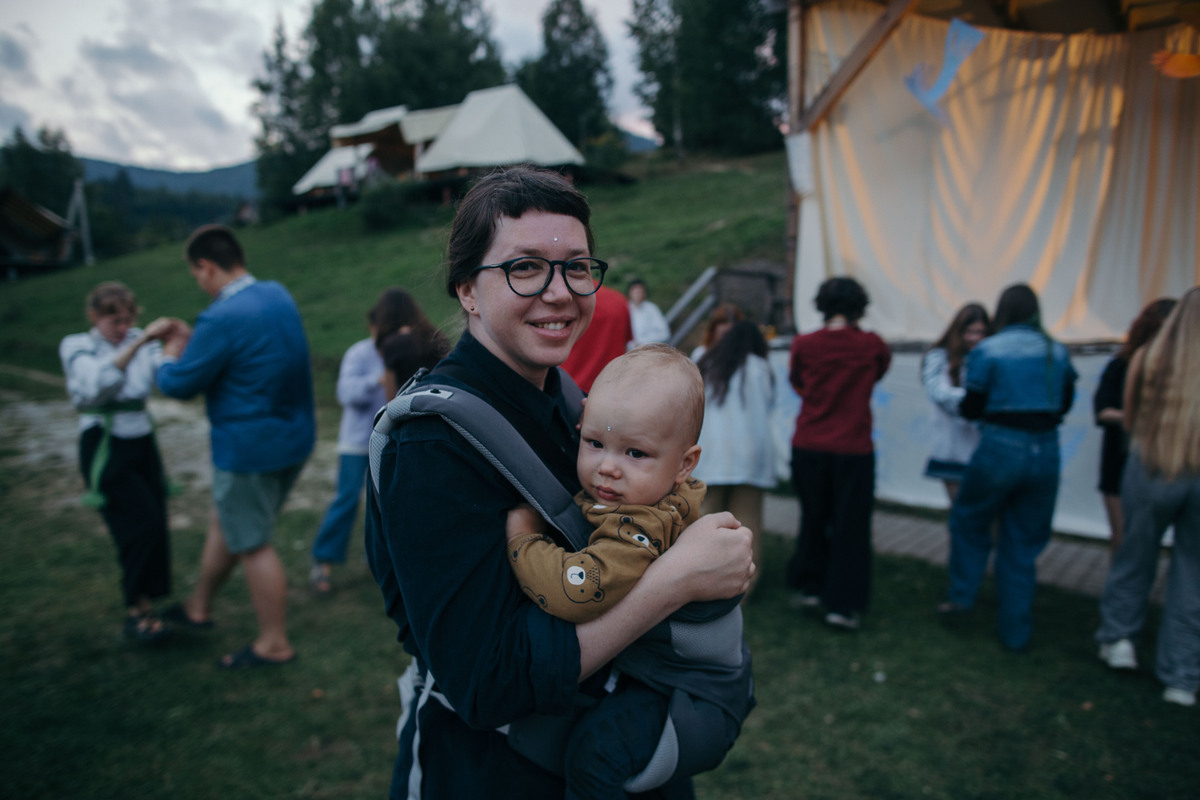
The most important thing turned out to be a sense of safety — something these teenagers often lack at home. A team of psychologists was always nearby, ready to quietly support anyone who needed it. For Yana from Zaporizhzhia, those days offered a break from constant anxiety. She says there is a lot going on at home, and even after returning, she still finds herself crying from all the pent-up tension. But the Retreat, she said, helped her reset and find at least some inner calm.
I haven’t slept properly for a year. I don’t let myself cry. But here, after dancing, I couldn’t hold it back. I cried all evening — and then slept soundly,
Workshops Where You Hear Yourself — and Conversations Where Others Hear You
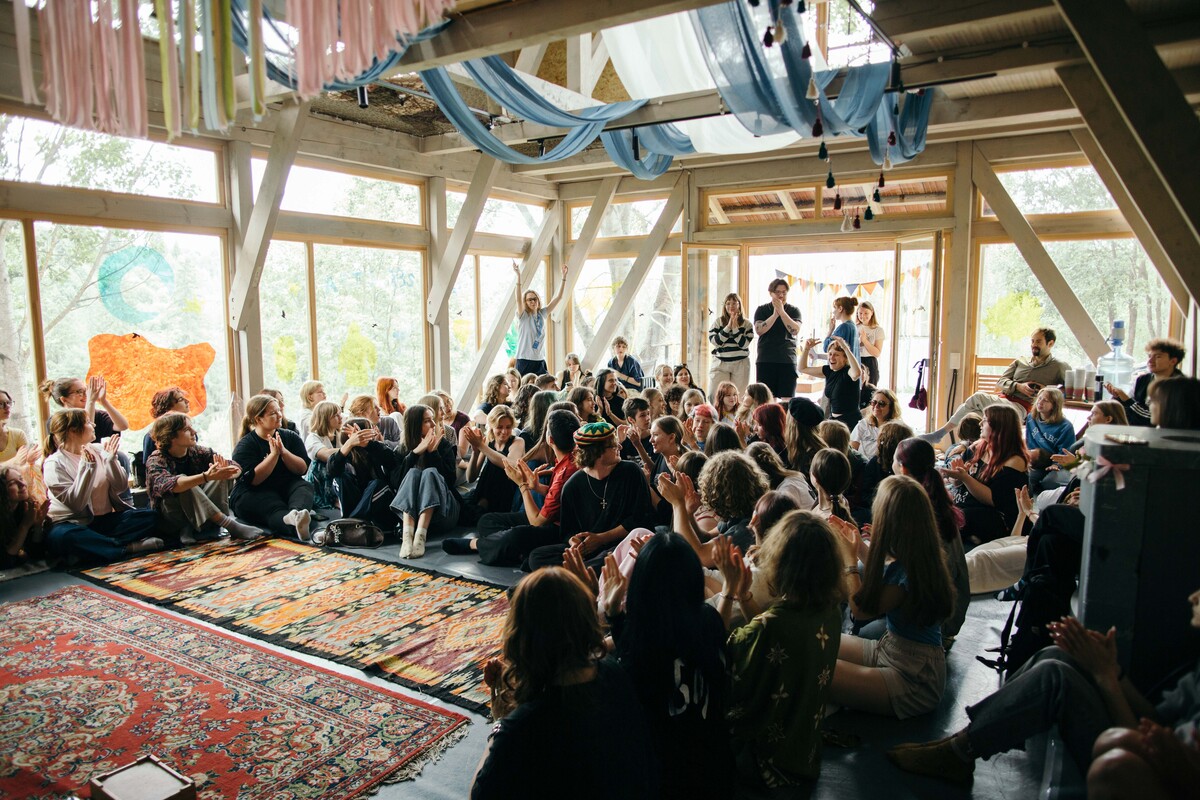
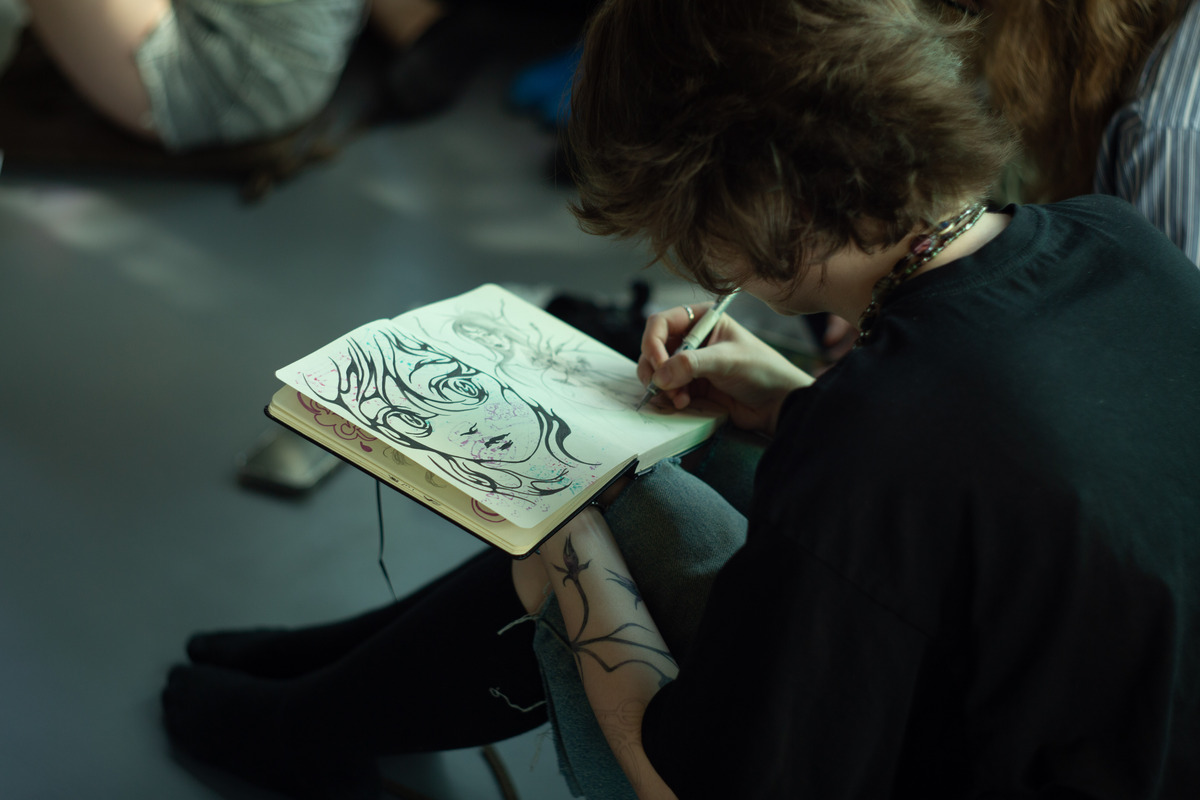
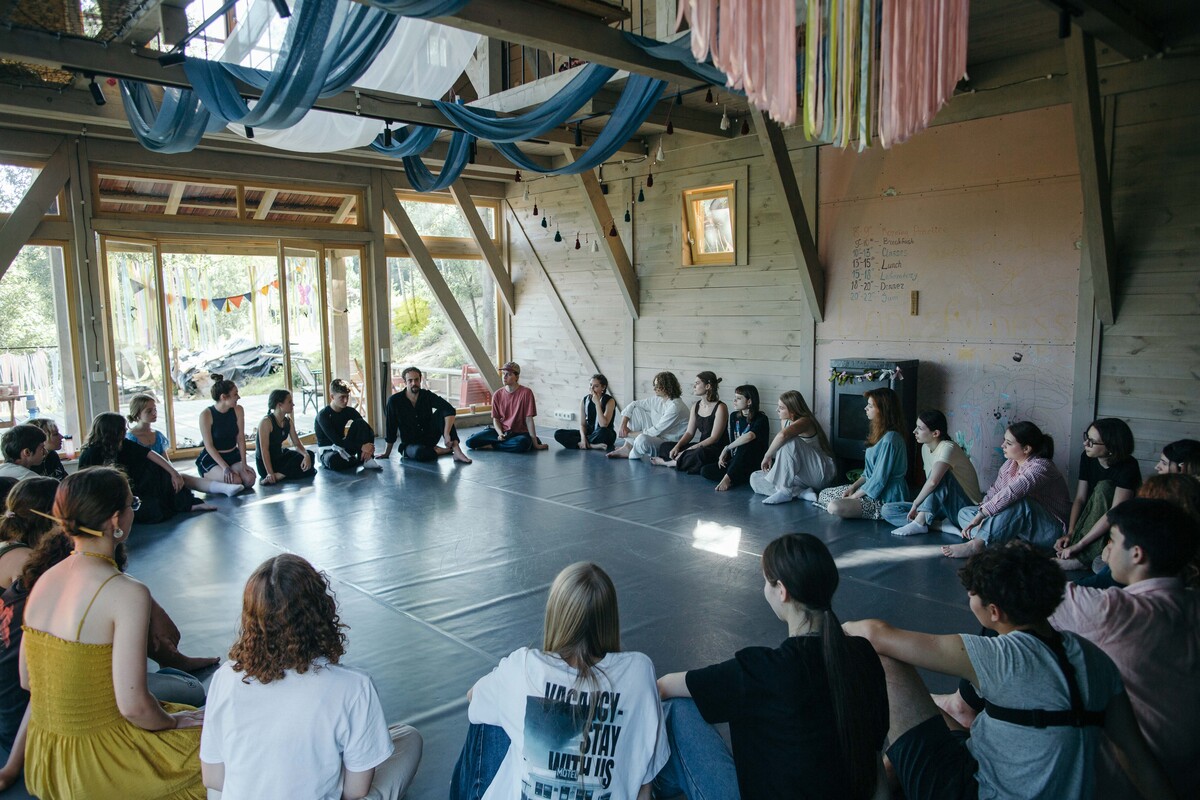
Imagine an hour of silence, pu-erh and gaba tea, a slow ritual amid busy days, and a conversation flowing as gently as a mountain river. Every day, participants could choose what they wanted to try: monotype printmaking, field recording, singing, writing, or acting. Around 30 workshops were led by fourteen artist mentors.
For Nastia from Kyiv, the workshops became a way to reconnect with herself. Working with the body and different creative tools, she said, helped her come back to herself. Combined with the beauty of the mountains and nature, it had a powerful effect. Polina from Kyiv even began considering a new field for her future after the workshops. Meanwhile, Alia from the Dnipropetrovsk region realized how physically well she had felt there once she returned home.
For Nastia from Kyiv, the workshops became a way to reconnect with herself. Working with the body and different creative tools, she said, helped her come back to herself. Combined with the beauty of the mountains and nature, it had a powerful effect. Polina from Kyiv even began considering a new field for her future after the workshops. Meanwhile, Alia from the Dnipropetrovsk region realized how physically well she had felt there once she returned home.
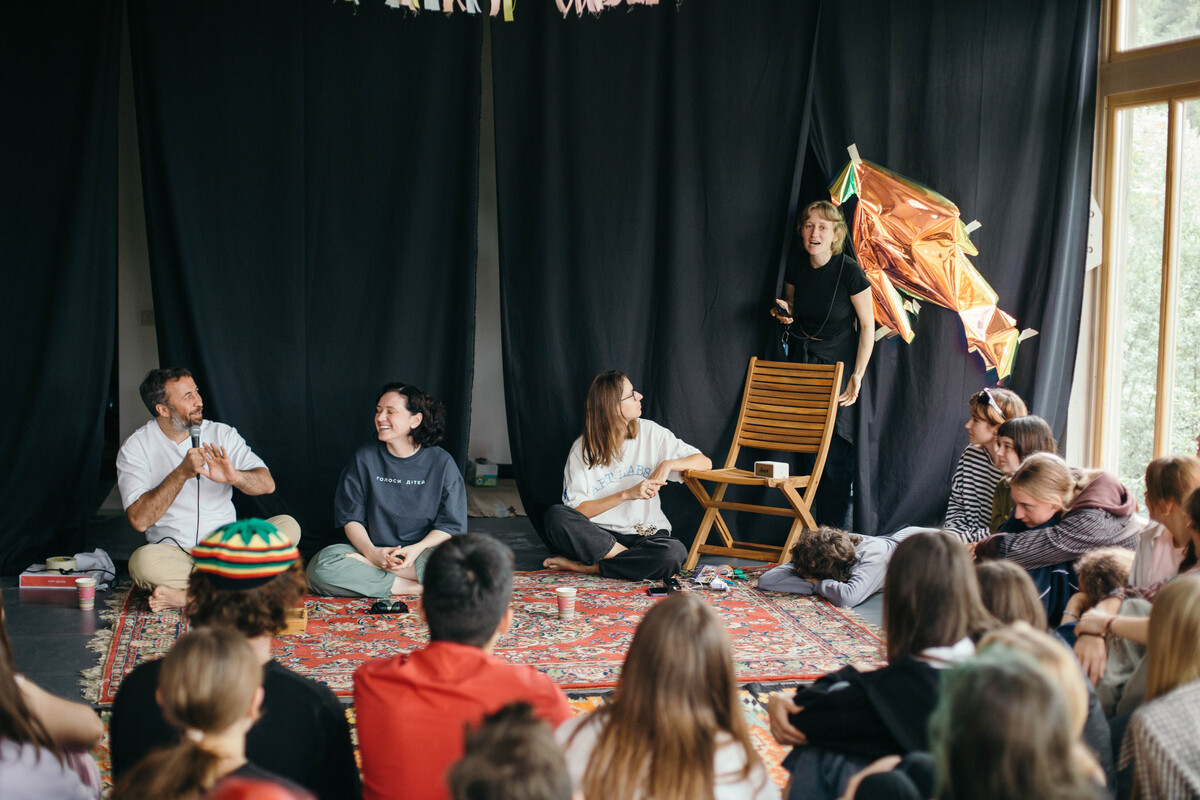
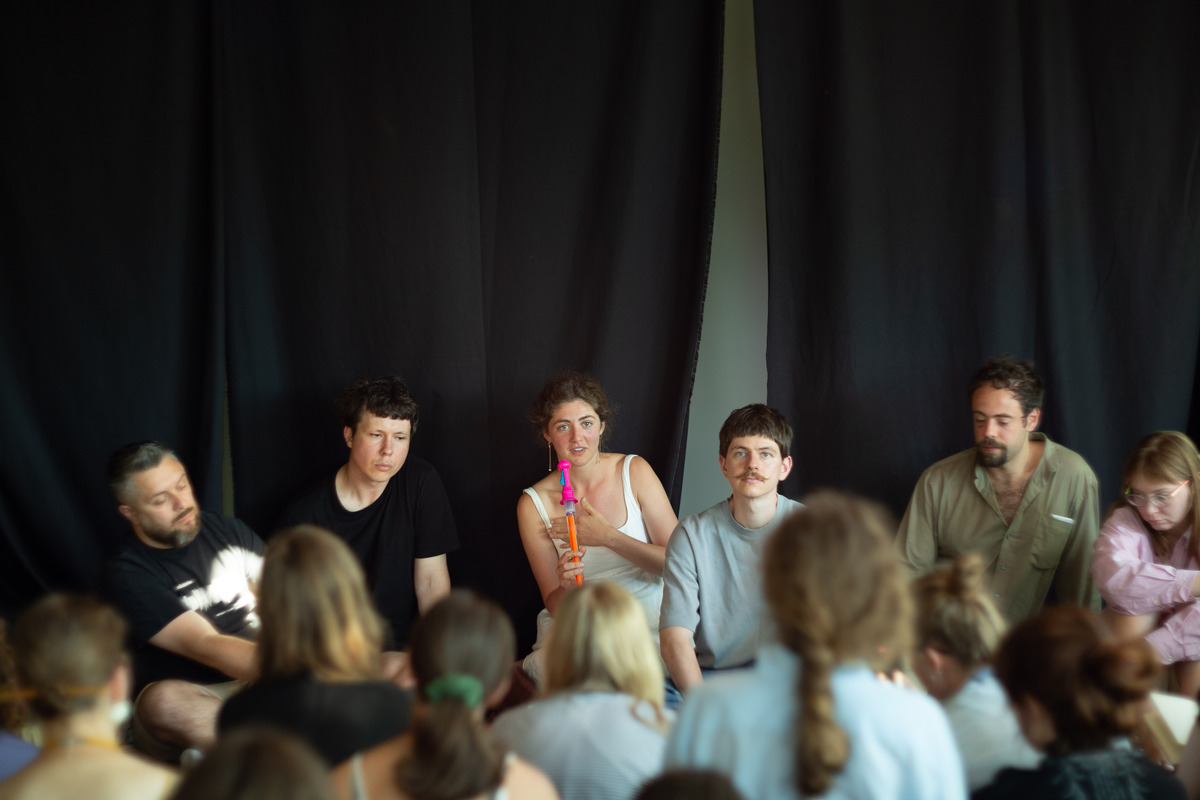
During eight advocacy sessions, the teenagers spoke with the Foundation’s team about its work and the issues that matter to them. The sessions were led by Voices of Children co-founders Olena Rozvadovska and Azad Safarov, together with the Foundation’s advocacy coordinators. The teenagers discussed their ideas in focus groups and then presented them to everyone.
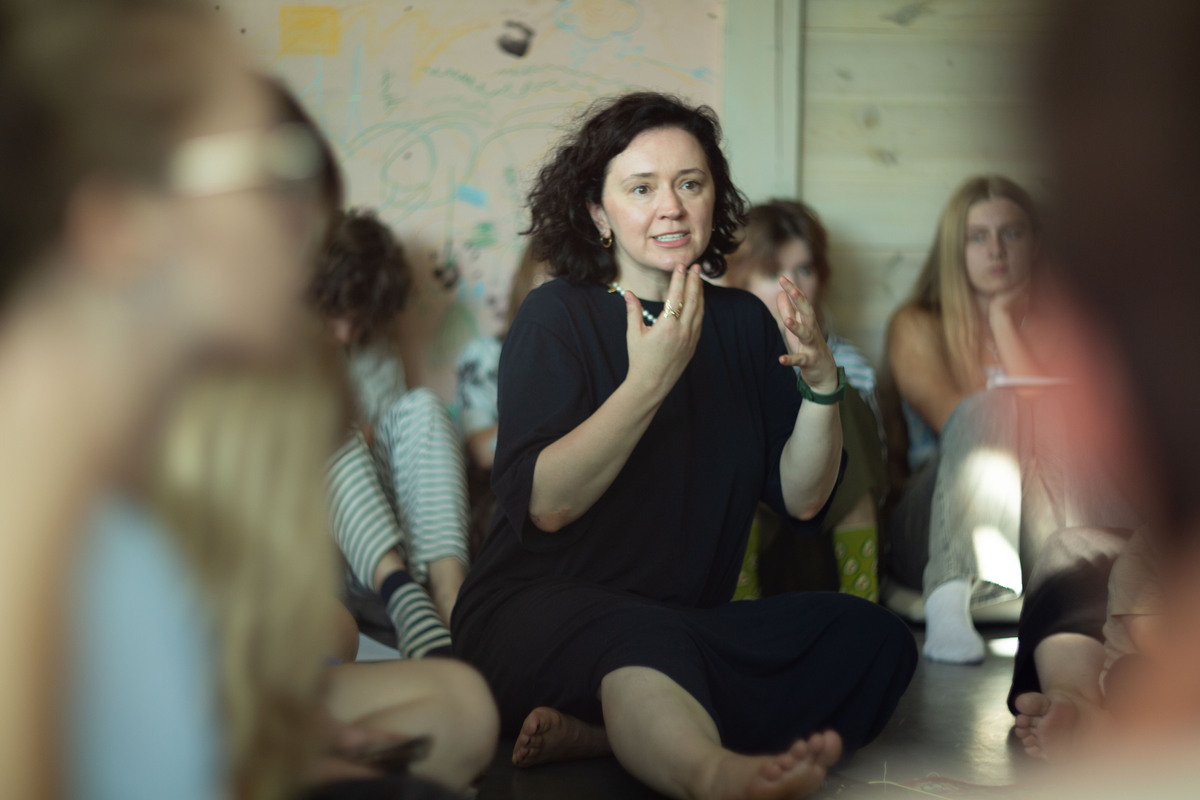
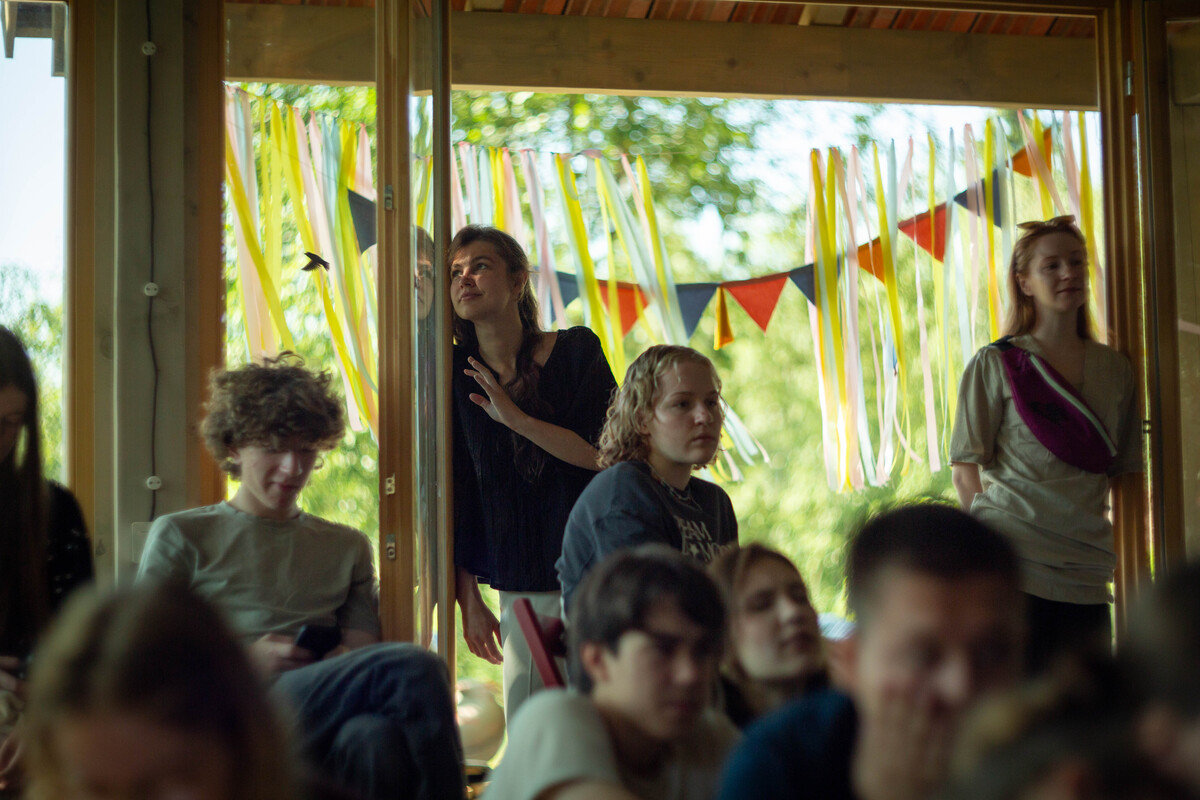
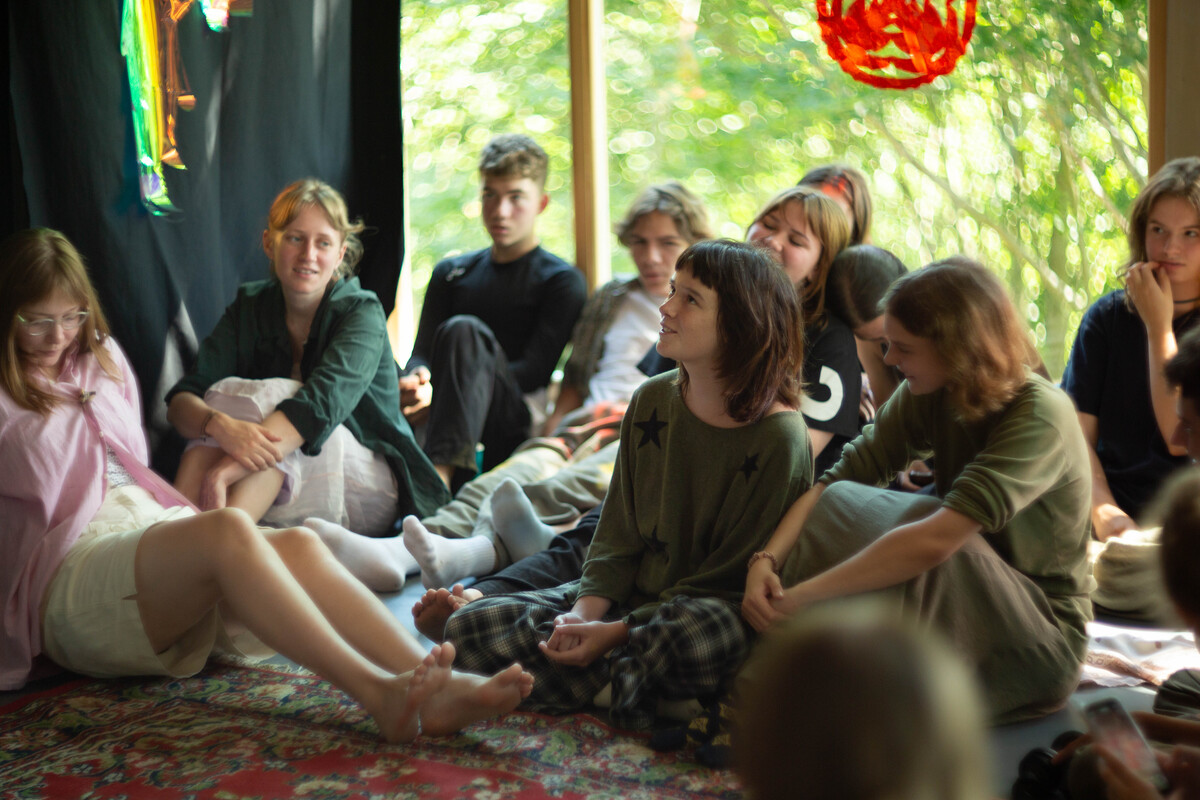
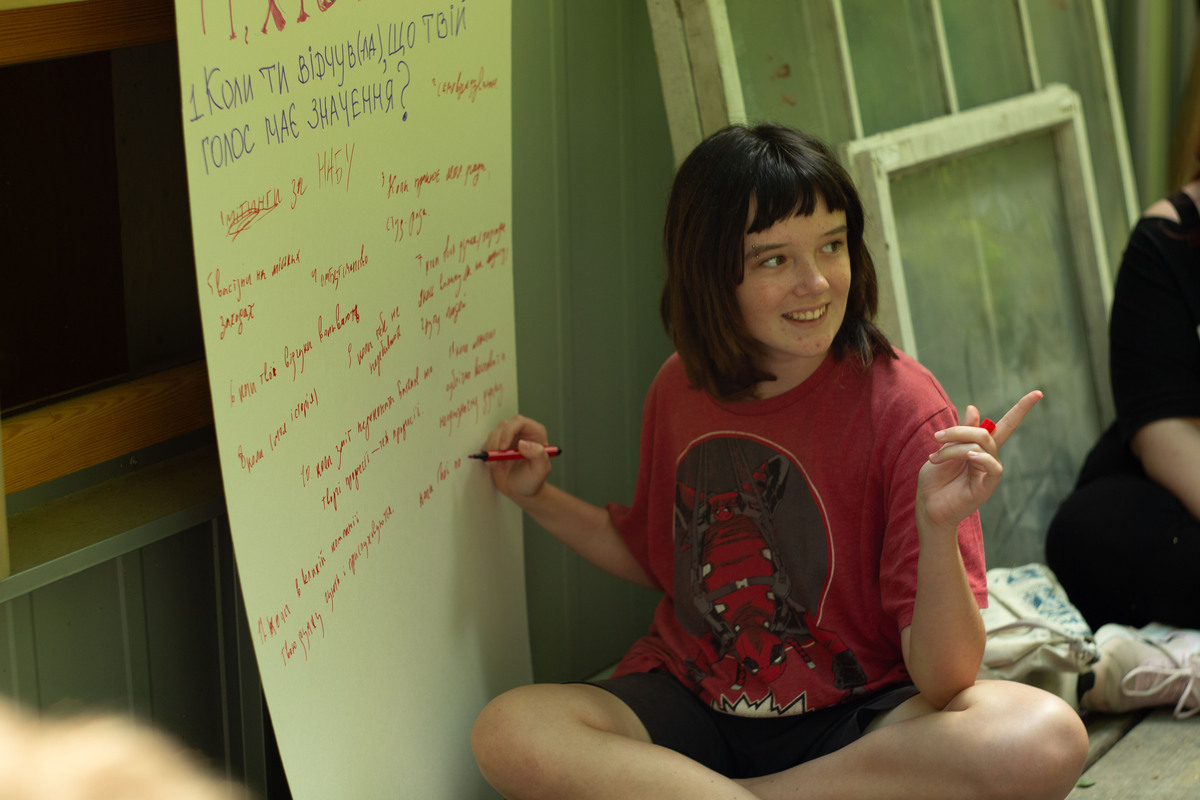
We could express our opinions knowing that we would be heard and no one would judge us,
The teenagers were also struck by how open the adults were with them. Dara from the Kharkiv region finally shared the thoughts she had been holding back. And she felt heard. Andrii from Zaporizhzhia recalled how the Foundation’s co-founders spent their free time talking with everyone, asking about their lives, and even playing chess. It was also there that he met Kyrylo Nevdokha, head of the DiiMO Children and Youth Office, and learned more about his work.
Children whose homes have been touched by war devoted an entire workshop to happiness. Writer Olha Kupriian had planned a creative writing session but chose a different exercise instead: she asked the teenagers to write about moments of happiness. First, they recalled things they love — tastes, sounds, touch, people they cherish. Then they described a moment when they themselves had felt happy. What moved Olha most was seeing one of her students from the previous year write a remarkably vivid piece after a long creative pause.
Children whose homes have been touched by war devoted an entire workshop to happiness. Writer Olha Kupriian had planned a creative writing session but chose a different exercise instead: she asked the teenagers to write about moments of happiness. First, they recalled things they love — tastes, sounds, touch, people they cherish. Then they described a moment when they themselves had felt happy. What moved Olha most was seeing one of her students from the previous year write a remarkably vivid piece after a long creative pause.
Music That Made You Want to Live and to Cry
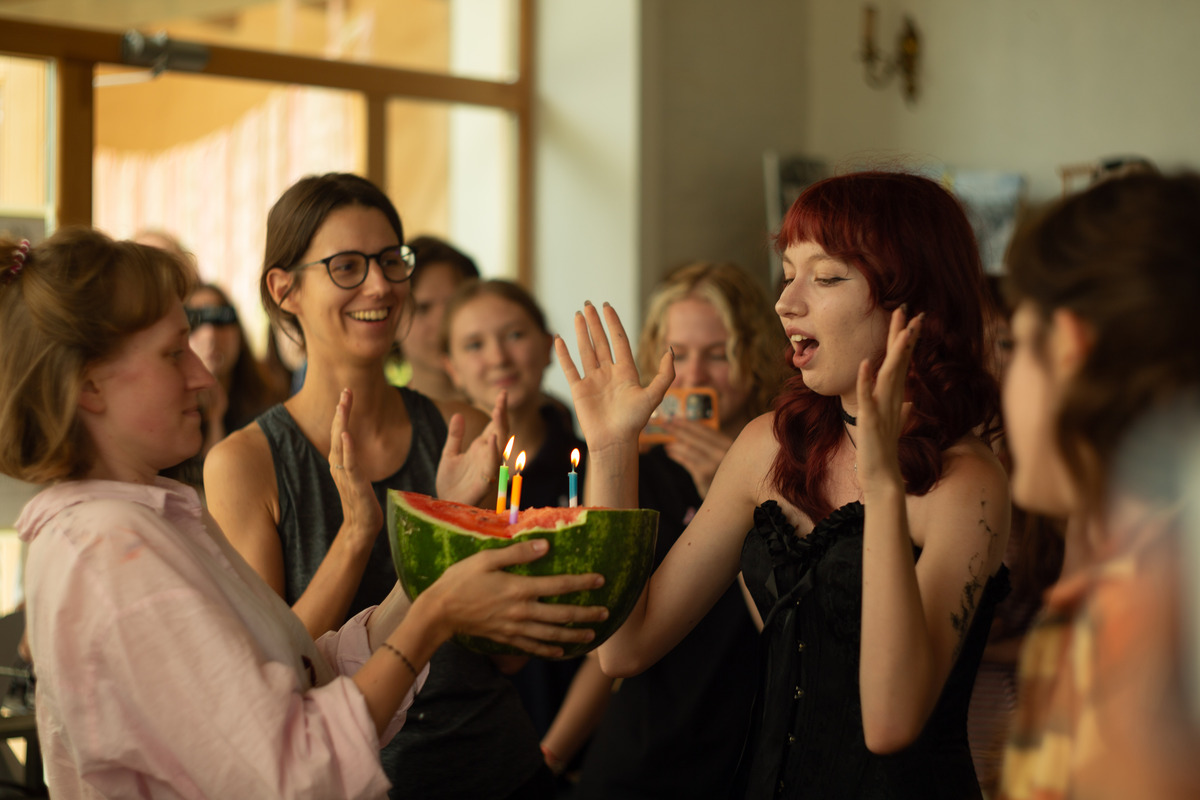
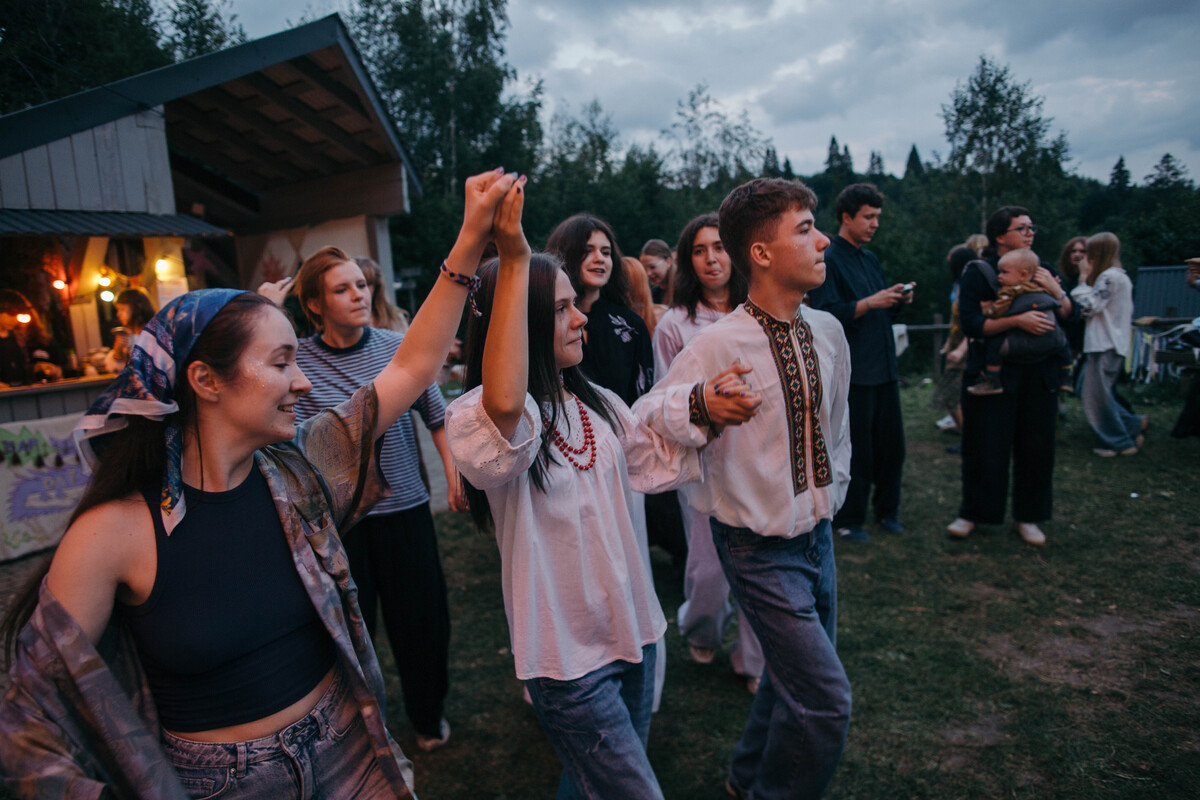
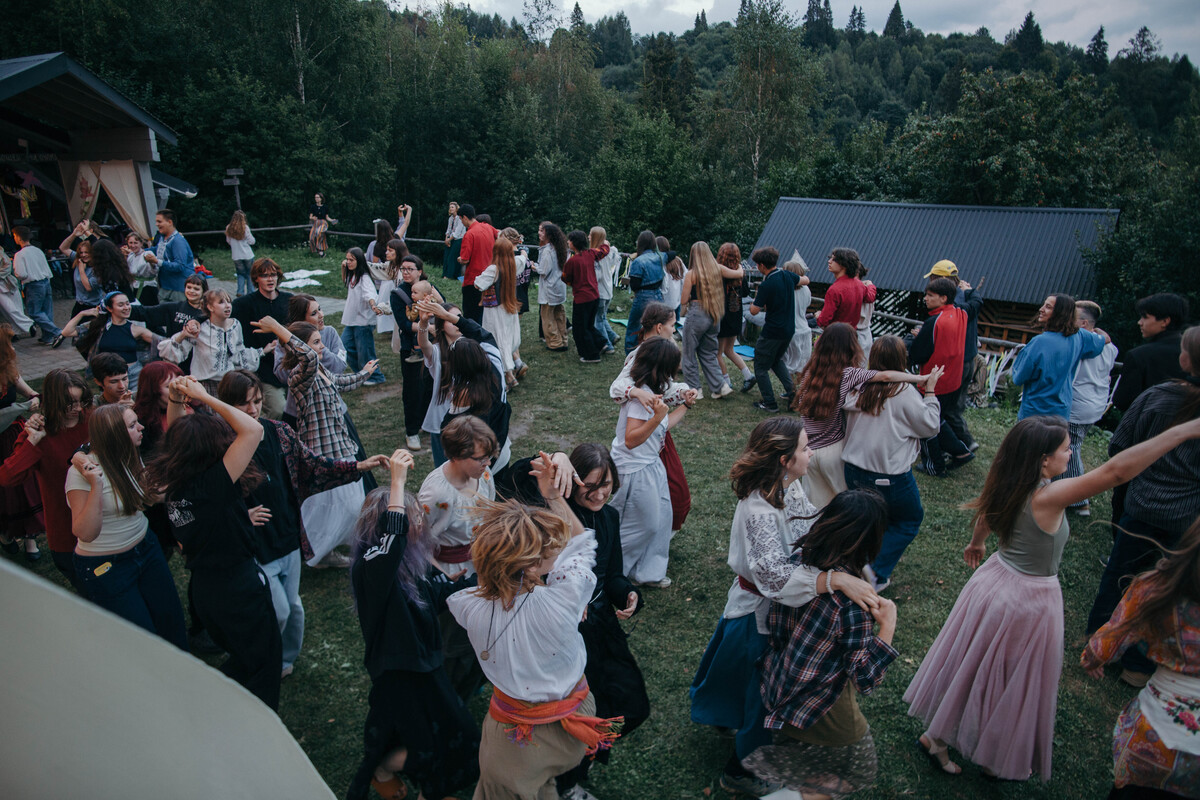
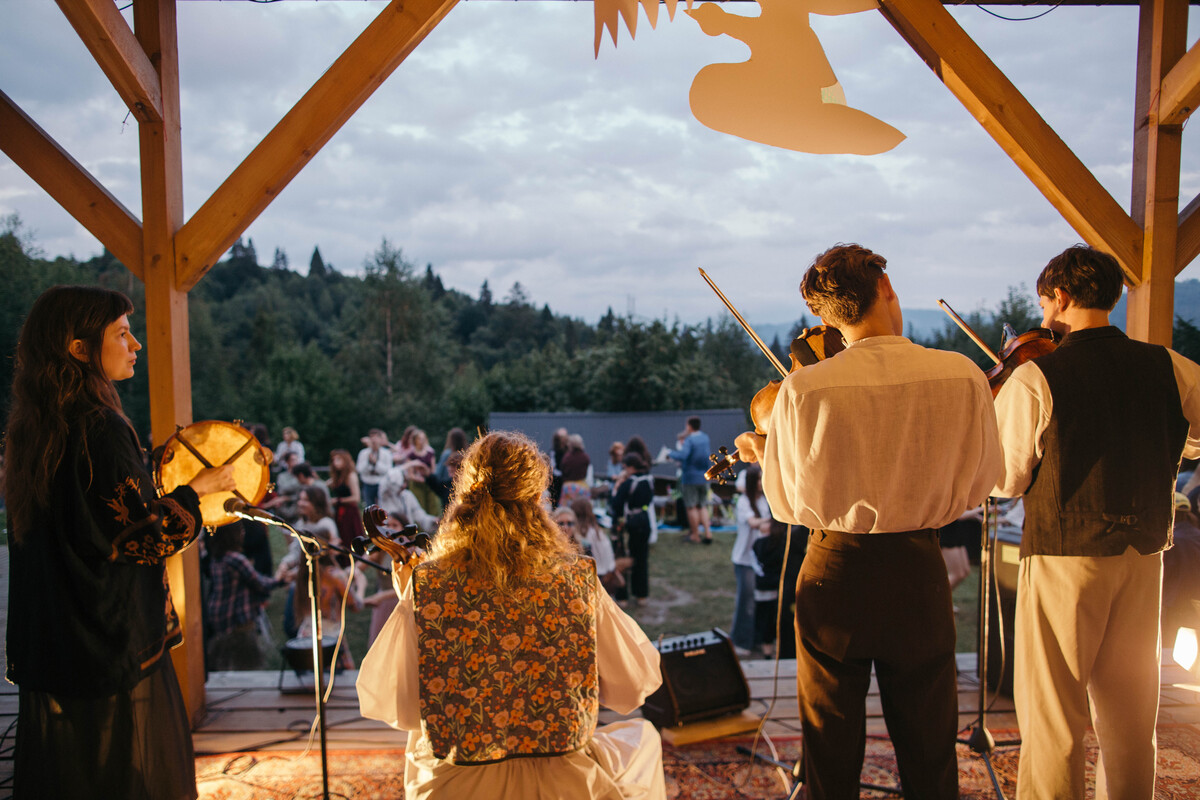
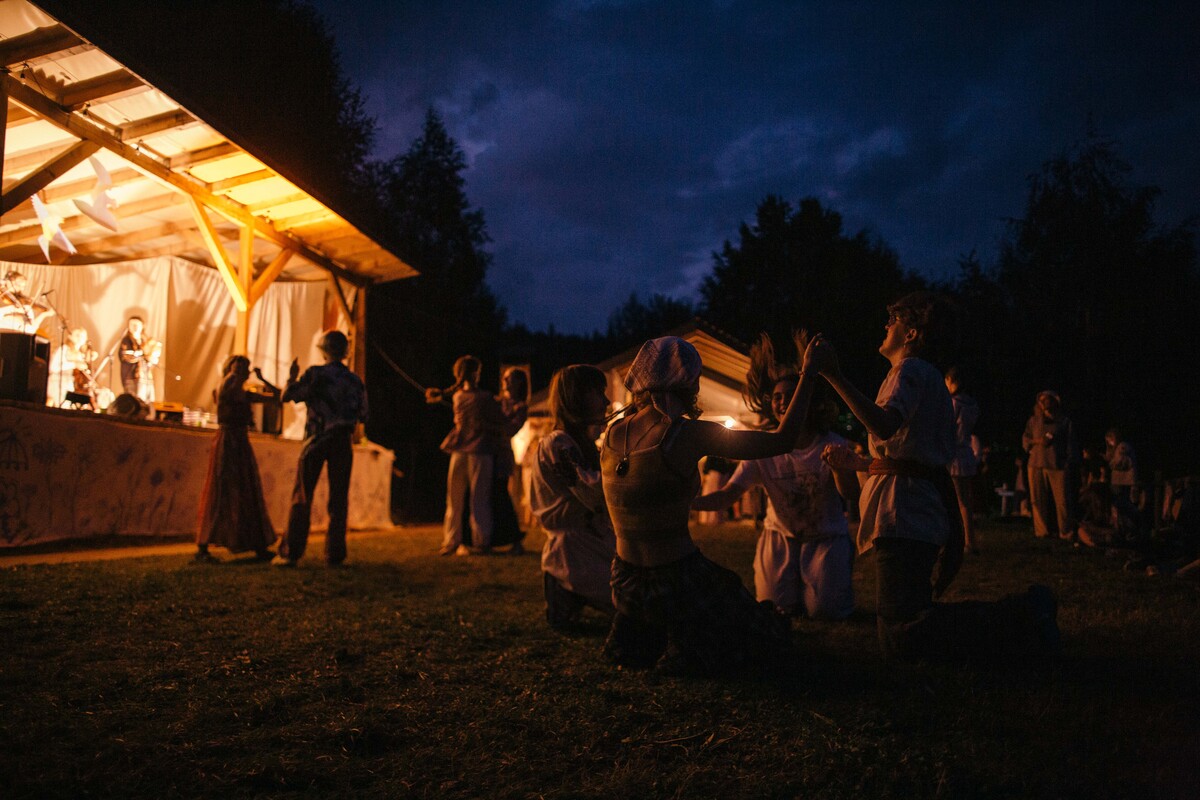
In the evenings, everyone gathered around the stage to listen to DakhTrio, Kyiv jazz group Fusion Jams, and folk band ShchukaRyba. Between performances, the teenagers danced, sang, and came up with looks for a costume party.
It was a place where you could see everyone you hadn’t crossed paths with all day because you’d been at different workshops. You could talk and make friends there. And the events themselves were amazing, such a vibe. They made you want to live and to cry at the same time. There were just so many emotions,
Zakhar from Kharkiv region called the evenings the best way to end the day: you could dance, sing, hang out at the bar, and still feel at peace. And also, you could just reconnect with yourself.
Marichka spent her childhood in Crimea, but after Russia annexed the peninsula, her family moved to Lviv; by then, her father was already serving in the military. A few years ago, she chose to study applied linguistics and quietly set aside her long-standing love of music. On the third day of the Retreat, over coffee at that same bar, she admitted that the residency had reminded her of that forgotten dream.
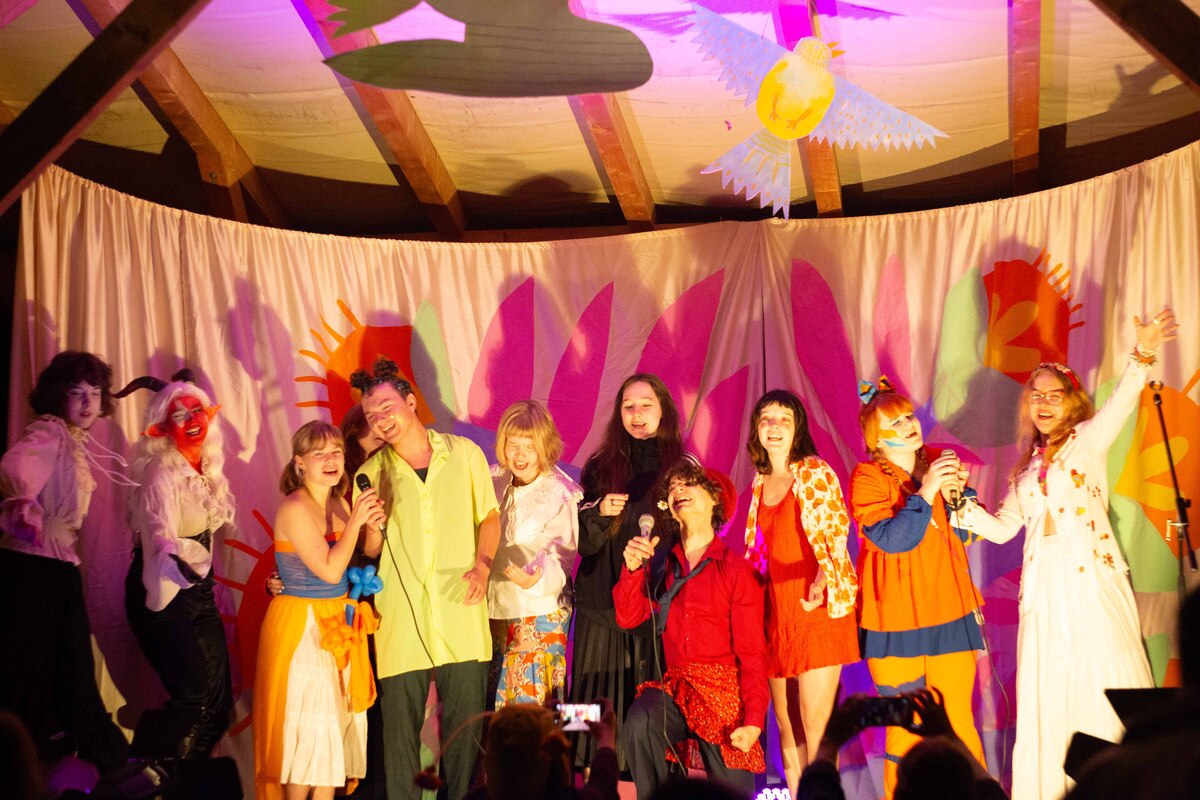
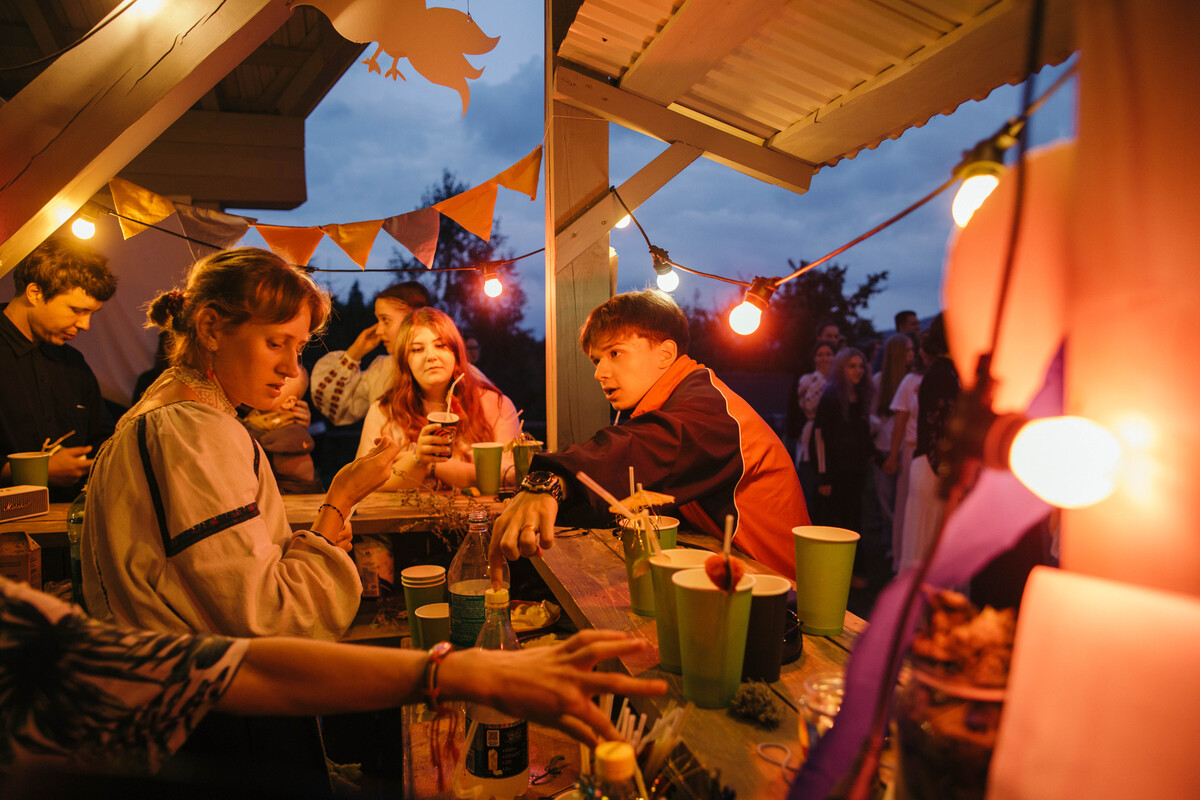
That evening, Fusion Jams were performing, and the concert took the form of a jam session: teenagers could join the musicians on stage to play or sing something of their own. Marichka took the chance and performed her own song in front of an audience for the first time. Afterward, she ran over to share one more detail: the band’s pianist had studied linguistics too before turning seriously to music five years ago. Marichka had been following her on Instagram for a long time. Now they had agreed to meet for coffee in Kyiv and talk about why returning to music might be worth it after all.
A World We Carry With Us
For the Foundation, the Retreat was, above all, an opportunity to bring these teenagers together and to remind them that, despite everything, the world can still be kind to them. Some participants were about to begin university programs in the arts and, even before the academic year started, had already found support in one another. Marsel from Dnipropetrovsk region wrote to us: “Together with the arts residency, these were literally the best days of my life.”
Voices of Children is honestly the best thing that has ever happened to me. They saved me during a difficult time, inspired me, and taught me that my opinion matters too. Voices of Children is about freedom, love, inspiration, and the chance to simply be yourself.
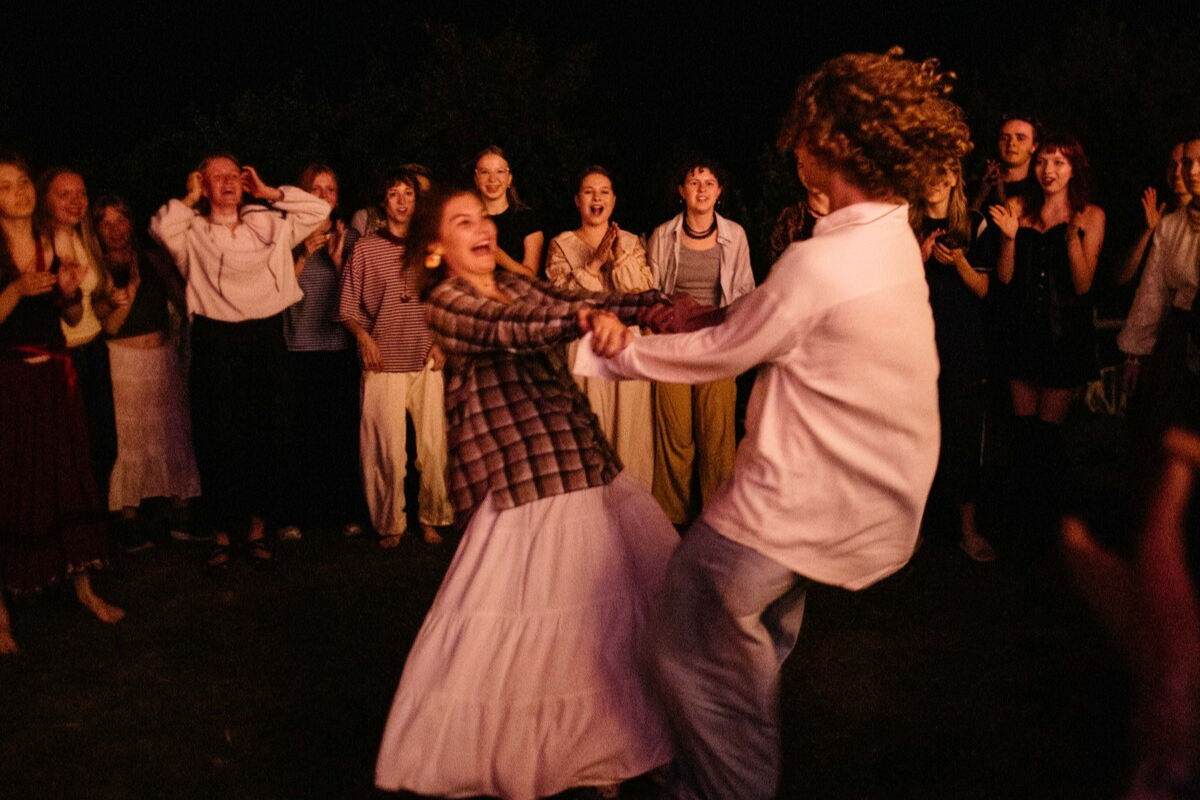
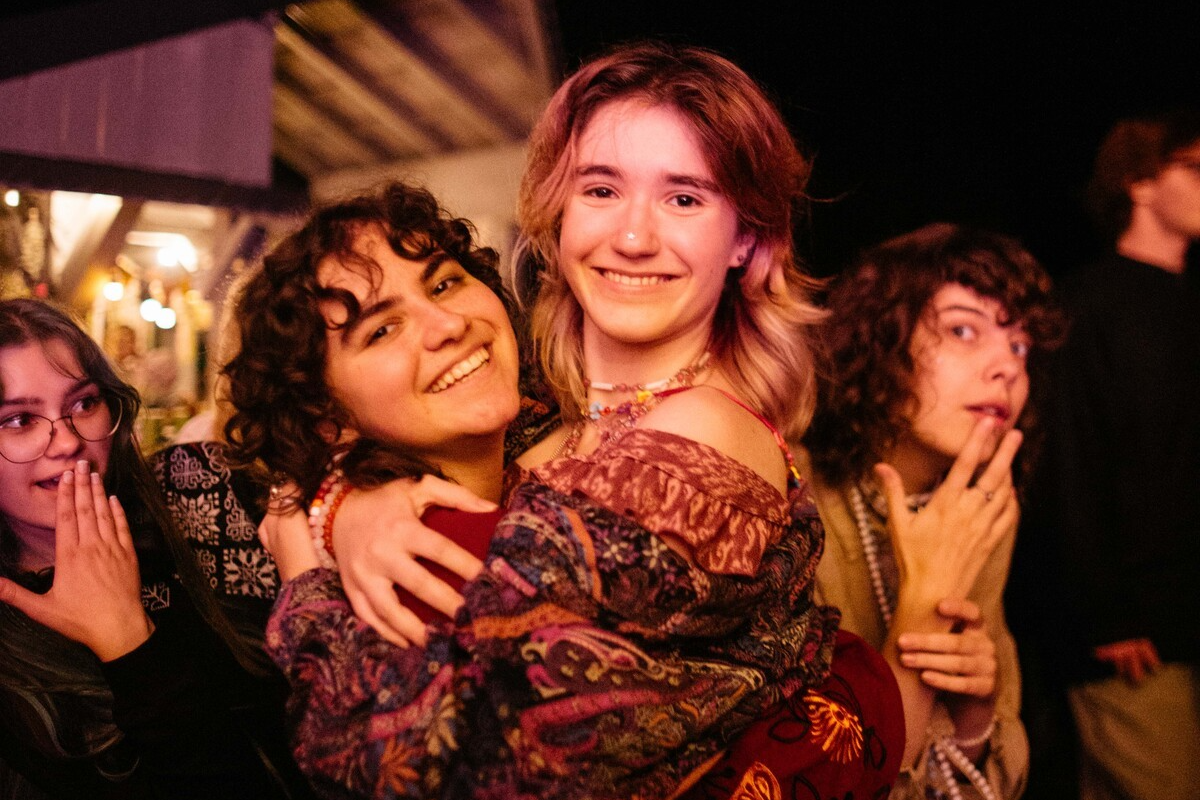
Among themselves, participants called the Retreat a world that doesn’t exist — because it felt so far removed from the reality we all have to face every day.
I’m grateful that, during such a difficult time, we were given the chance to feel like children and had a space created for that. The whole time, I felt as if I were in ‘another world’, where I could rest, relax, discover new things, and simply enjoy myself. There were moments when I felt happy,
During the final audio performance, everyone lay on the grass holding glowing lanterns they had made themselves. Mentor Hannusia Miziuk put it differently: this world does exist. It was created by the community there in the mountains, and now every participant would carry a piece of it with them.
You can become part of this world too. Help us give even more children affected by the war the support they need next summer by making a donation.
The arts residency was made possible with the financial support of our partners, including Patrick van ’t Haar, a Dutch journalist, activist and volunteer with the Hulpacties DvhN, FrD en LC charity initiative, as well as other good friends of the Foundation.
Share: