Author:

The Foundation's team
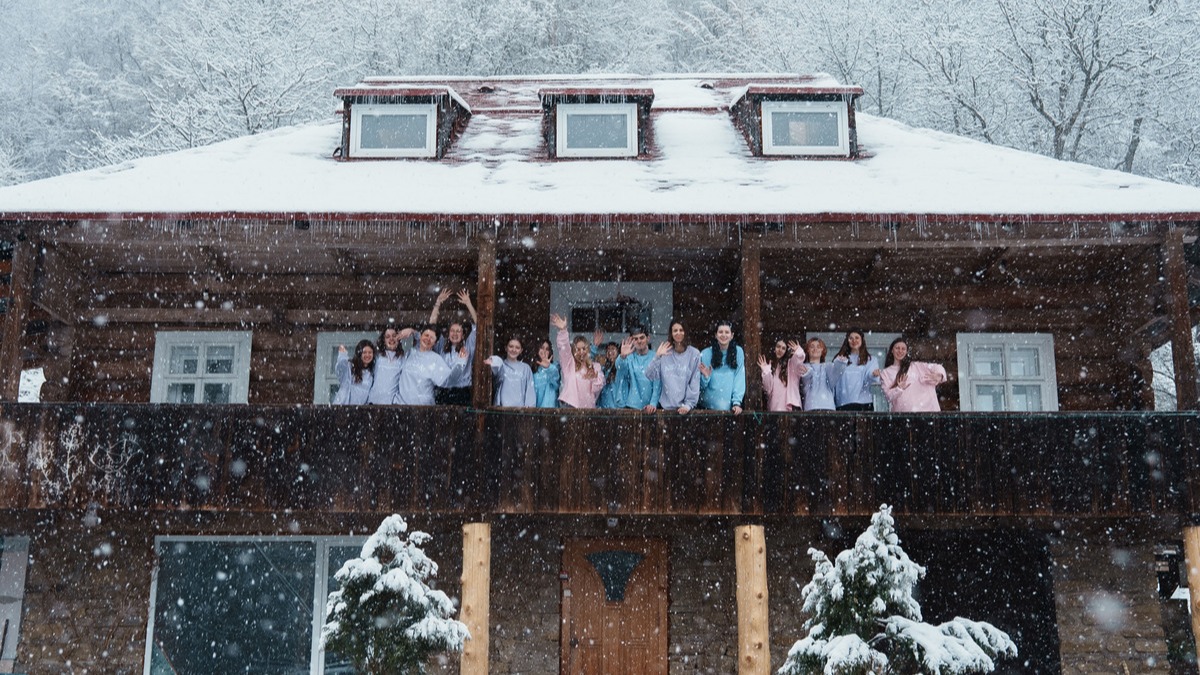
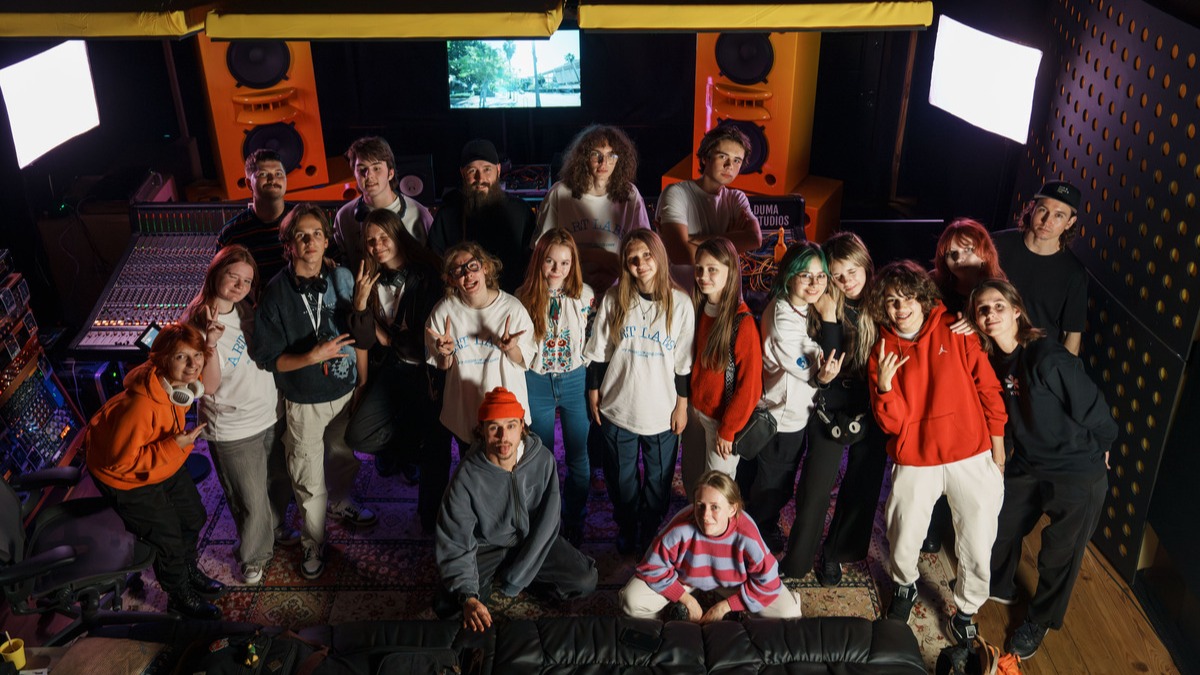
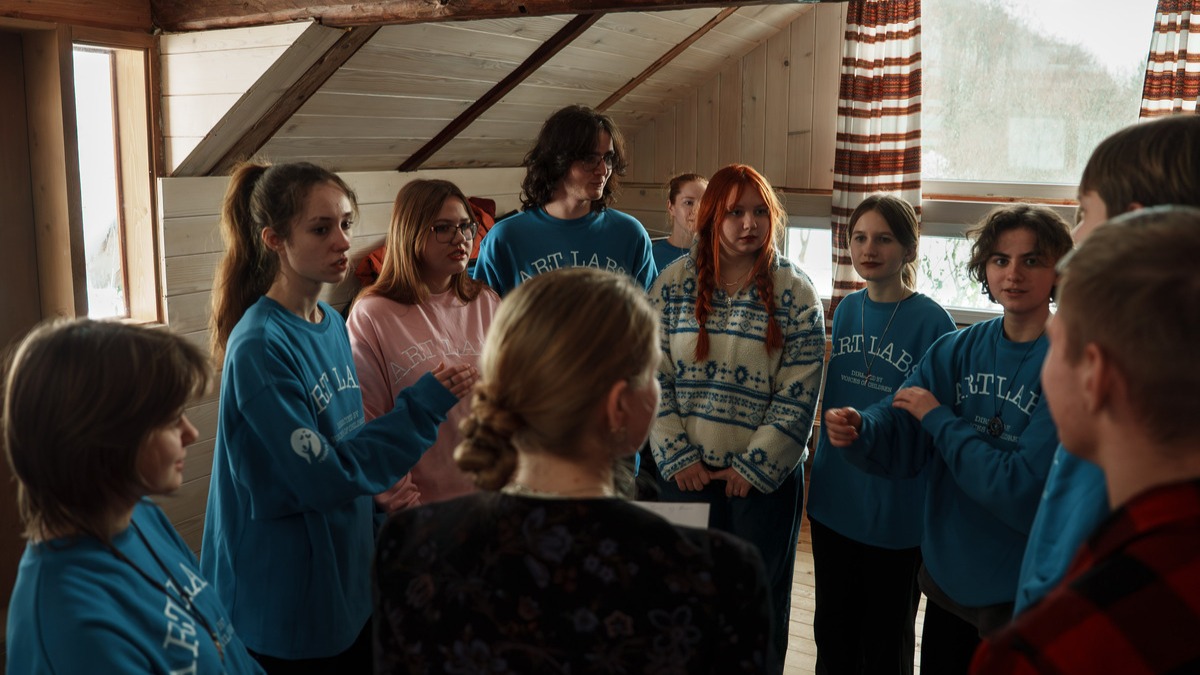
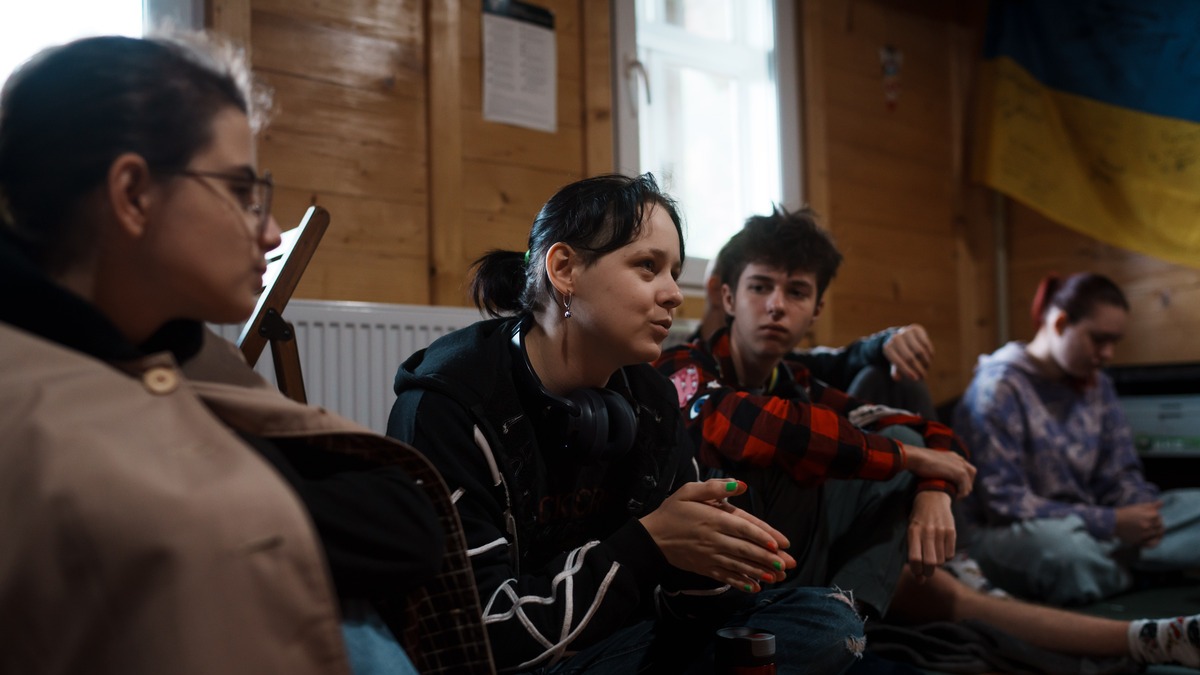
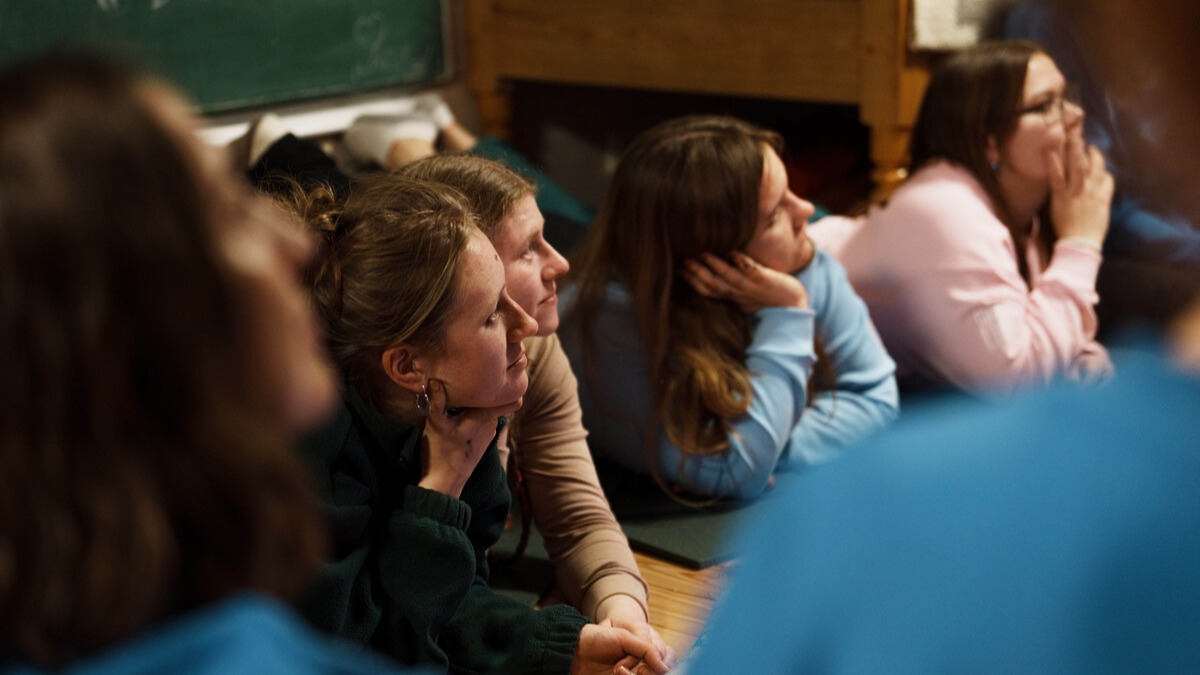
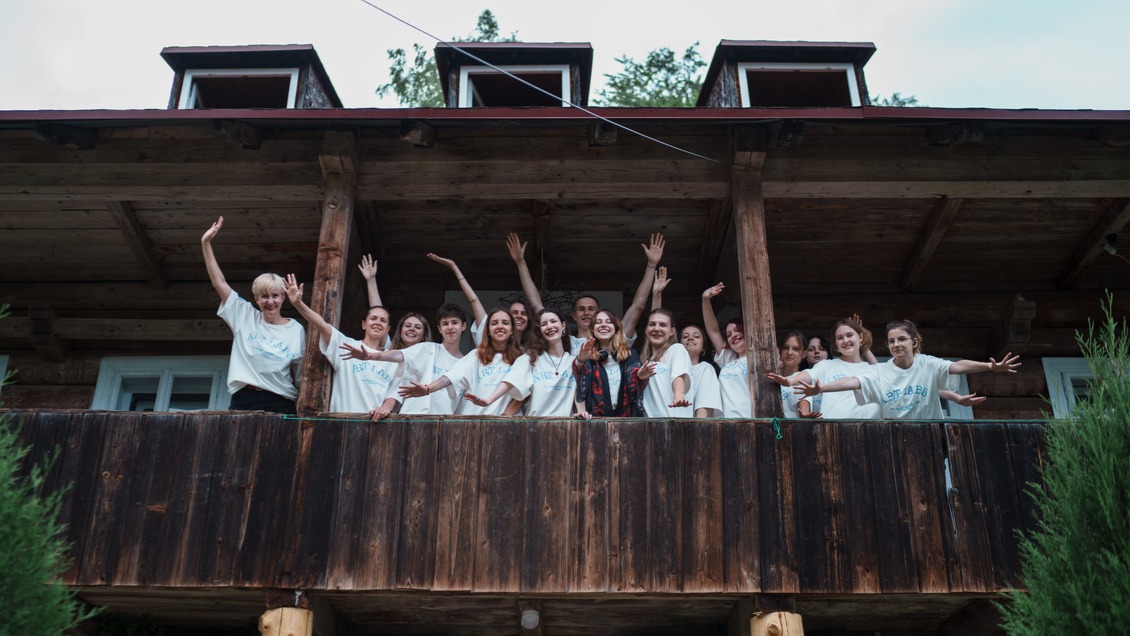
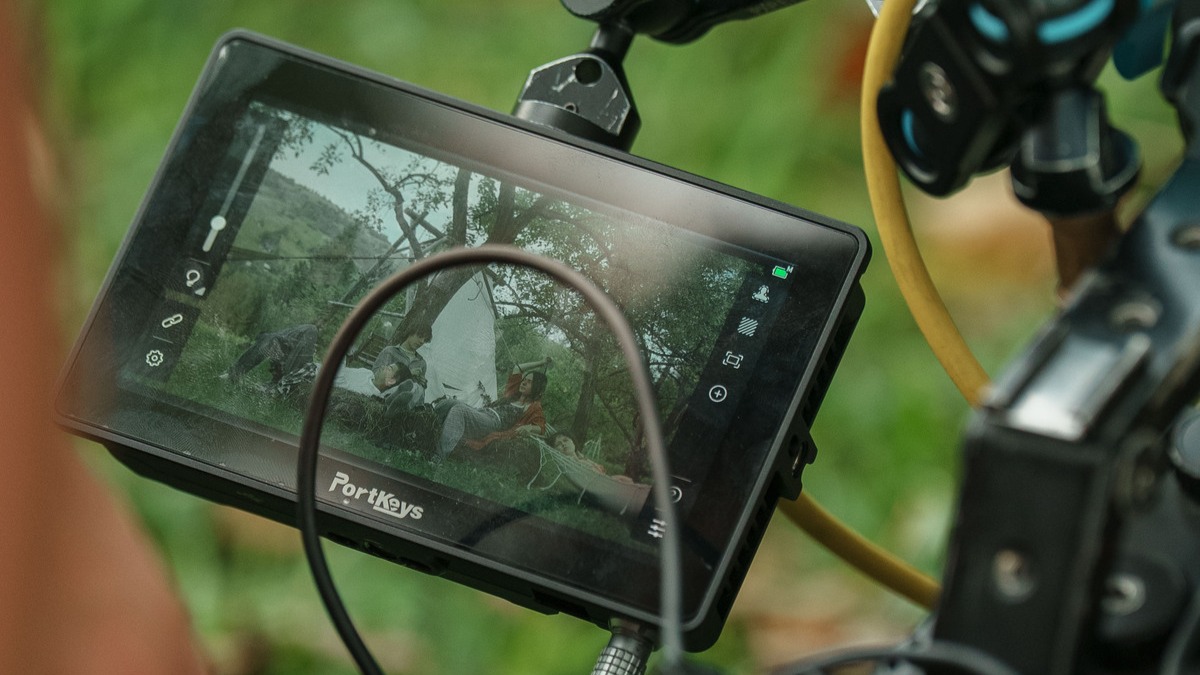
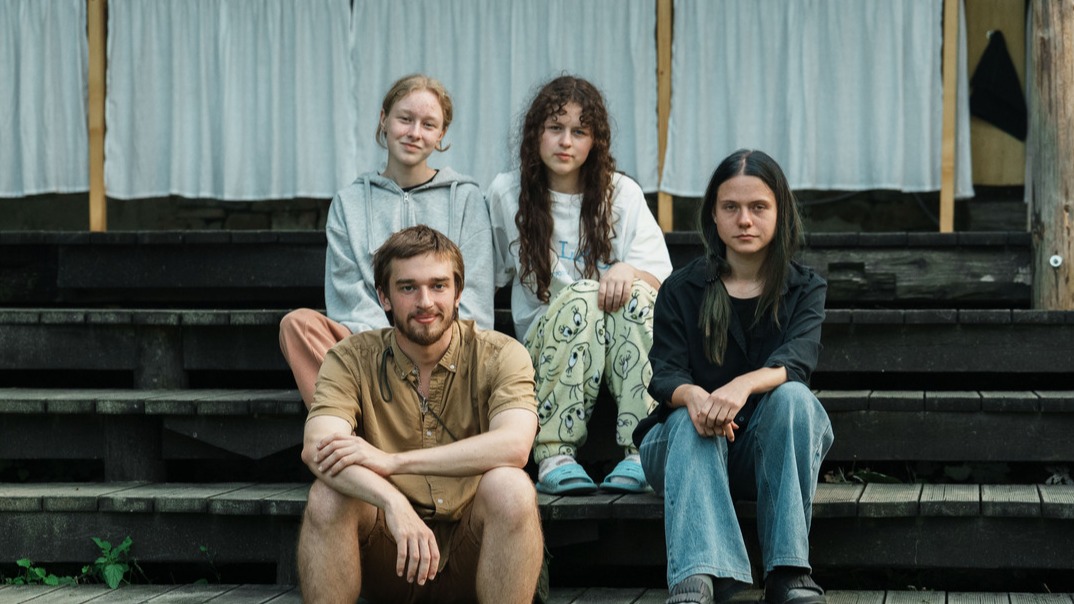
The Voices of Children art labs are part of the Foundation’s psychosocial support program. During art residencies, teenagers work alongside the Foundation’s psychologists and mentors from various creative fields to write poetry and prose, make short films, create original theater productions, and take part in jam sessions. Here, creativity becomes a tool for reflection and resilience that stays with participants long after the residency ends.
Through these residencies, the Foundation aims to provide teenagers with both a sense of community and a personal source of support. In 2026, multidisciplinary residencies will also be introduced, allowing participants to explore several different art forms.
Through these residencies, the Foundation aims to provide teenagers with both a sense of community and a personal source of support. In 2026, multidisciplinary residencies will also be introduced, allowing participants to explore several different art forms.
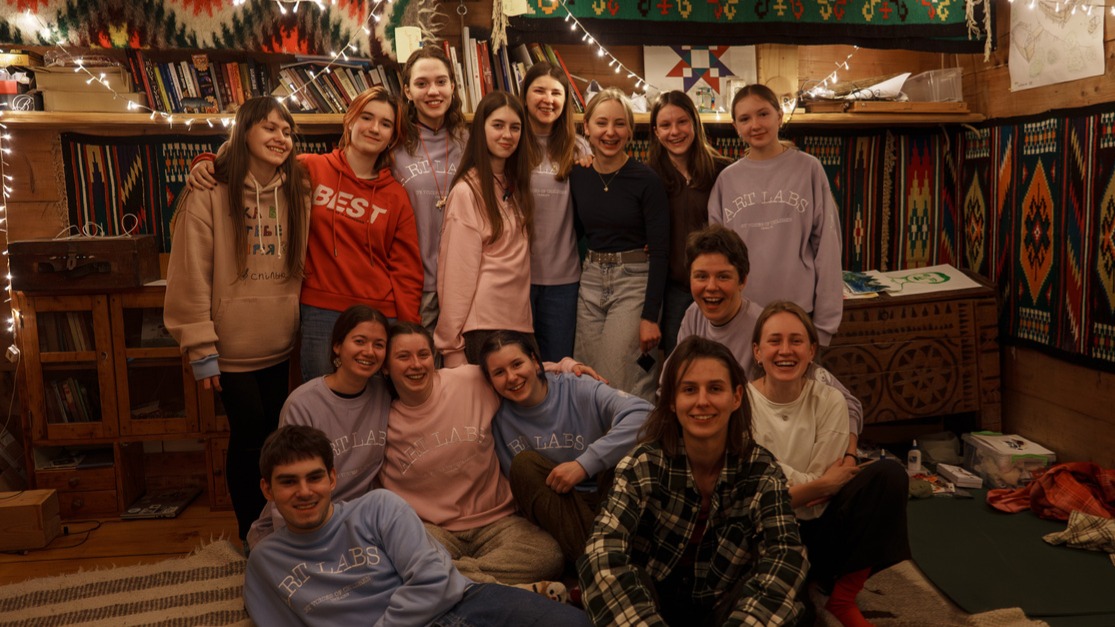
Teenagers from our community met with program curators Olha Mykytchyn and Olha Rusina to talk about how creativity helps them live through difficult times, what participants take away from the experience, and why the most important outcome of the art labs is not a film or a poetry collection, but the connections formed between people.
The interview was conducted by Veronika Pryss, 16 years old, from Melitopol, Zaporizhzhia region, currently living in Zaporizhzhia.
The interview was conducted by Veronika Pryss, 16 years old, from Melitopol, Zaporizhzhia region, currently living in Zaporizhzhia.
Psychological Support and Finding Your Own Source of Strength
- What is the main need you are trying to address for participants?
Olha M.: First, psychological support and community support, the feeling that you are not alone in this world. Second, regaining a sense of inner grounding. It is important for all of us to know how to support ourselves, because there is not always someone nearby ready to do it for us. Not everyone has access to psychological support. That is why we want everyone to have a personal way to cope — something that helps bring relief.
Very often, that is creativity as a way of reflection. We bring together teenagers who already have such a way of their own and help them develop it further. And of course, we also want them to feel they belong to a community of people with shared values and interests.
- What Is the Most Important Outcome of a Residency?
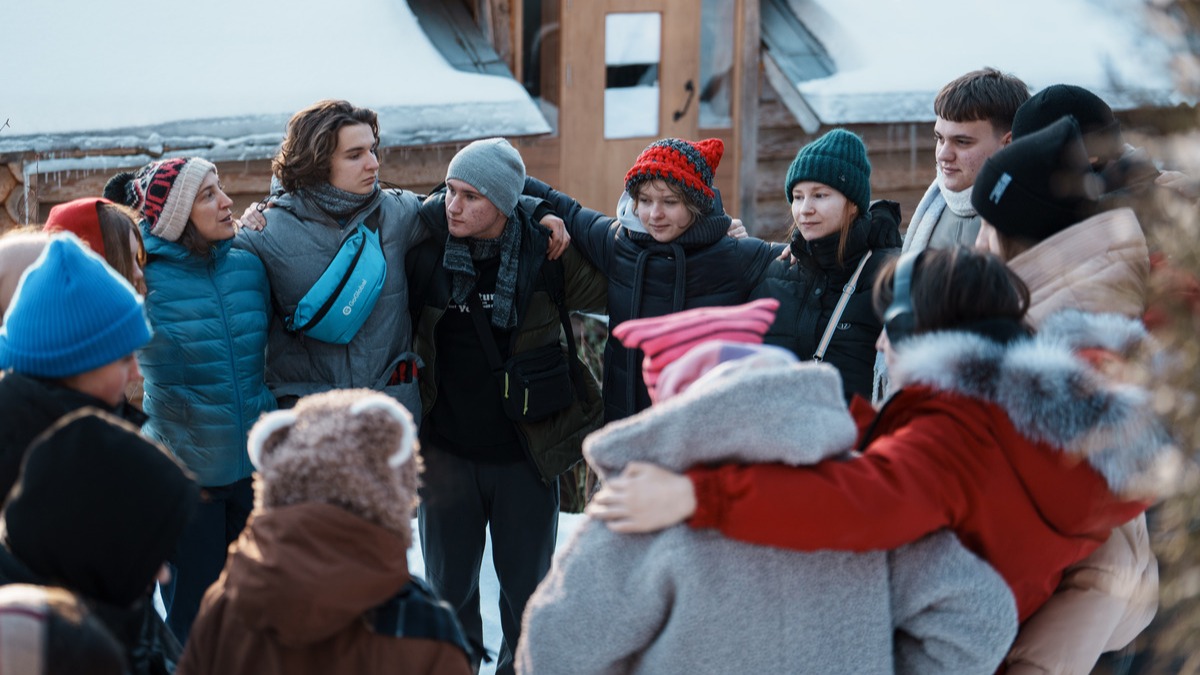
Olha R.: The relationships that stay within the group. I do not expect everyone to become close friends, but it makes me very happy when people stay connected — some more, some less, but they still feel a sense of community they can return to. Of course, it is wonderful that we made a film or created a collection together, but what matters just as much is the network participants leave with.
In our reality, the importance of human connections is hard to overstate. It’s one of the things that helps in the hardest moments.
- Do you have any particular indicators of a successful residency?
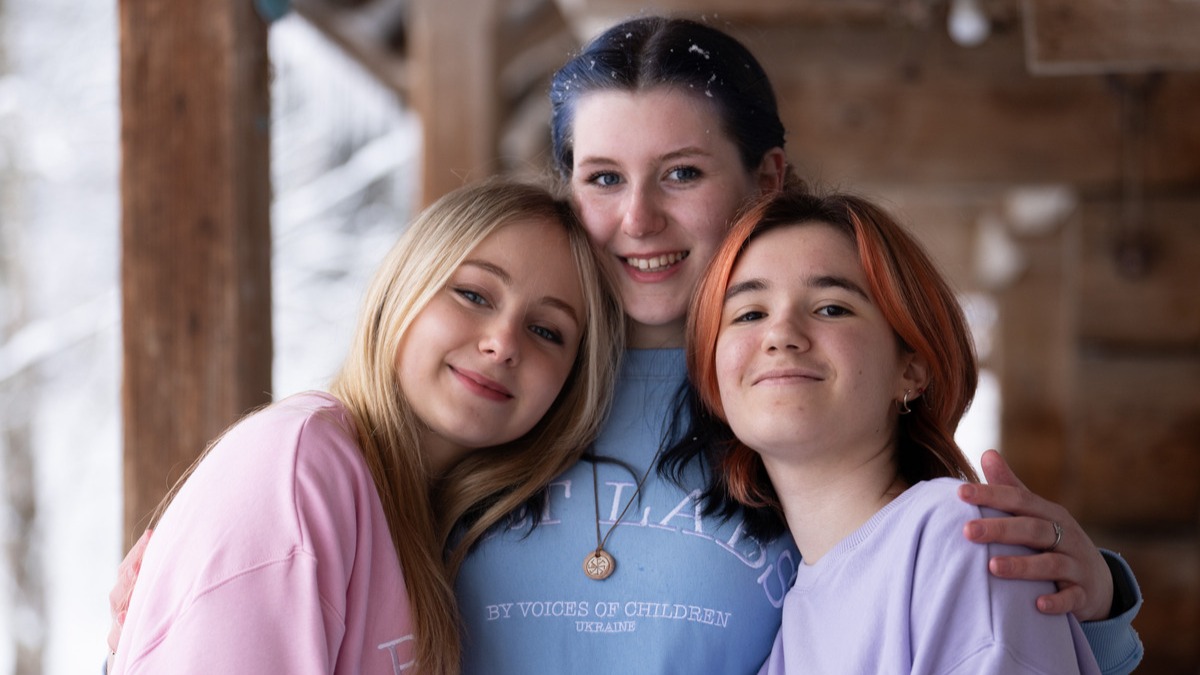
Olha M.: Today, there are many opportunities available to teenagers through the nonprofit sector. Young people can choose from a wide range of interests, experiences, and levels of engagement. For me, however, a successful residency is one whose experience becomes unique for each participant. That is something that is genuinely lived through and becomes meaningful in some way. I really appreciate what Olia said about long-term connections.
Another outcome of a residency is an internal feeling: whether something important happened in that space. Something unique. Something alive. Something that might help a person see the world from a slightly different perspective.
Sometimes in life, something happens that shifts us ever so slightly, like moving a train onto a different track. It changes the direction from which we see the world. We want teenagers to understand that the story of the art labs does not end on the day a residency ends.
How Participants Are Selected: What Matters in the Application Process?
- What do you look for when selecting participants? What influences your decision?
Olha M.: We usually focus on three key things.
- A genuine interest in the specific artistic field of that residency. If someone writes, “I just like trying new things,” that is great, but they are unlikely to enjoy diving deeply into a single topic for several days.
- The uniqueness of the experience. Many of the teenagers who apply are highly active and involved in different initiatives. But we also want to include those for whom this might be their very first opportunity of this kind.
- Intuition. If the first two criteria align, we invite the applicant for a conversation. That is when we can better understand whether this residency is truly the right fit for them at this particular moment. Someone may write in their application, “Theater is my life,” but in reality they may simply want an opportunity to travel to Kyiv. In that case, a theater residency is probably not the best match, because it is a highly specialized format.
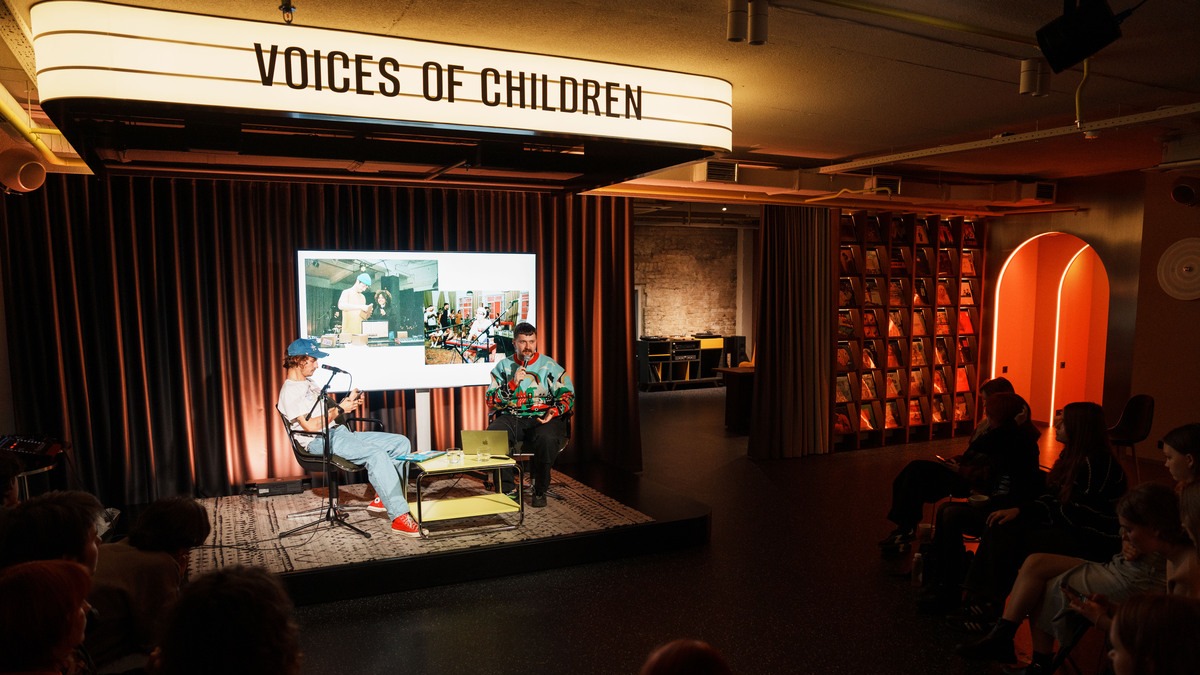
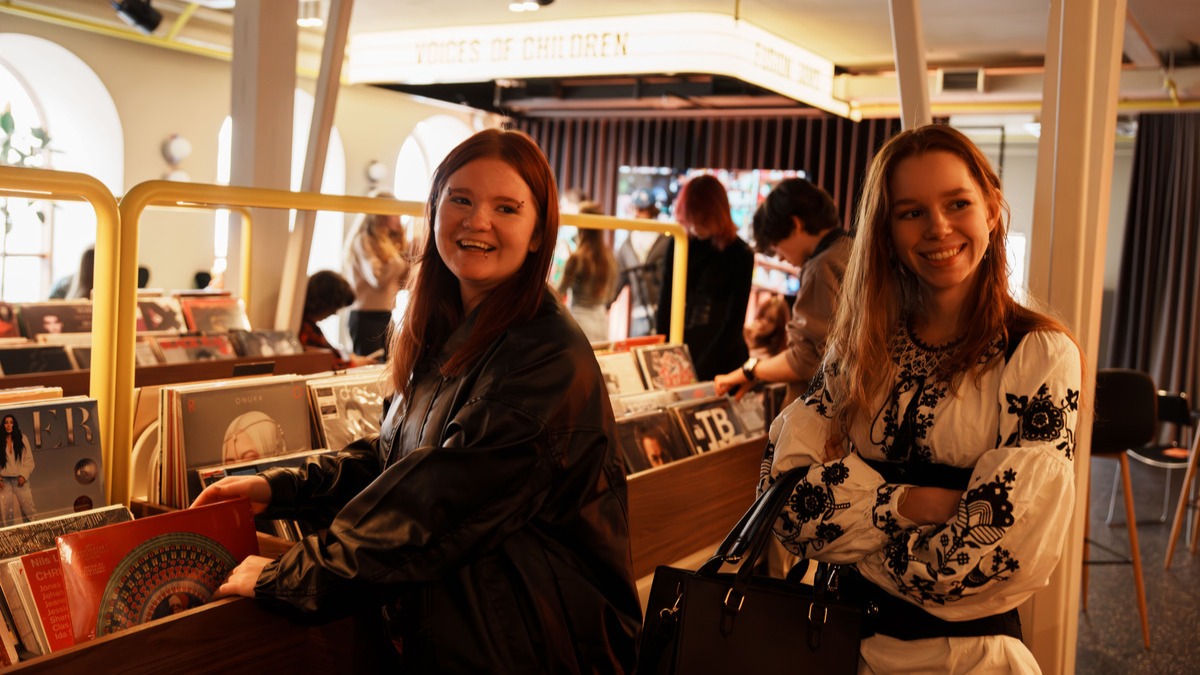
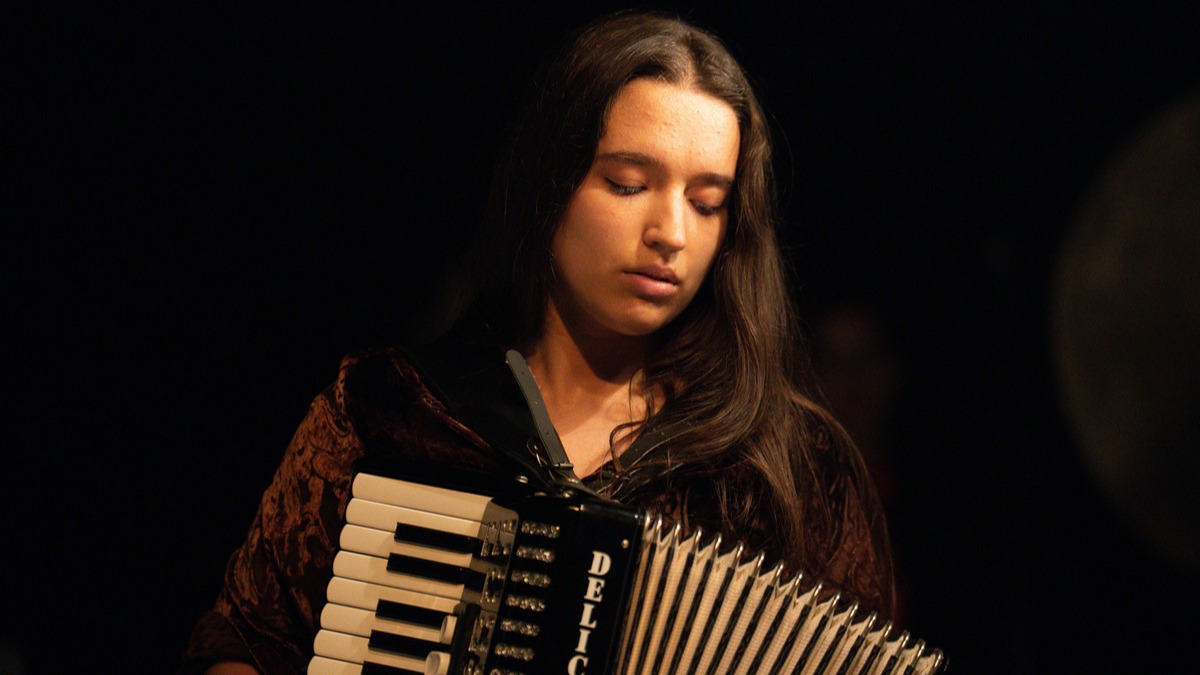
In 2025, after organizing many highly specialized residencies focused on specific disciplines, we realized that many teenagers are interested in creativity itself but have not yet discovered which artistic direction suits them best. That is why, in 2026, we will also introduce multidisciplinary residencies, where participants will be able to experiment with several different forms of art.
Trust and Ease: How We Recognize Change in Teenagers and What Keeps the Team Going
- How do participants change during a residency? What do you pay attention to?
Olha M.: For us, the main indicator is whether participants begin to open up and whether trust starts to emerge. If they allow themselves to be who they are, if they reconnect with a sense of playfulness and childlike freedom, if a feeling of ease appears, that is the most important sign of change.
There is no dramatic transformation. Everyone remains themselves. But a sense of trust develops: the feeling that you can speak openly about yourself and trust the people around you. That is where creativity begins.
- Why do you keep doing this work? What keeps you going?
Olha R.: I think all of us want to be useful, to do something meaningful, to help. It is important for us to see results and to know that what we are doing truly matters and has an impact. I feel this most strongly when I have direct, ongoing contact with people. When I see even a small change, when someone begins to see the world a little differently. That kind of impact is very difficult to measure. It unfolds over time. But I believe that change in one person eventually spreads to others.
I think there is a snowball effect at work here: what happens to teenagers during a residency later influences the people around them as well.
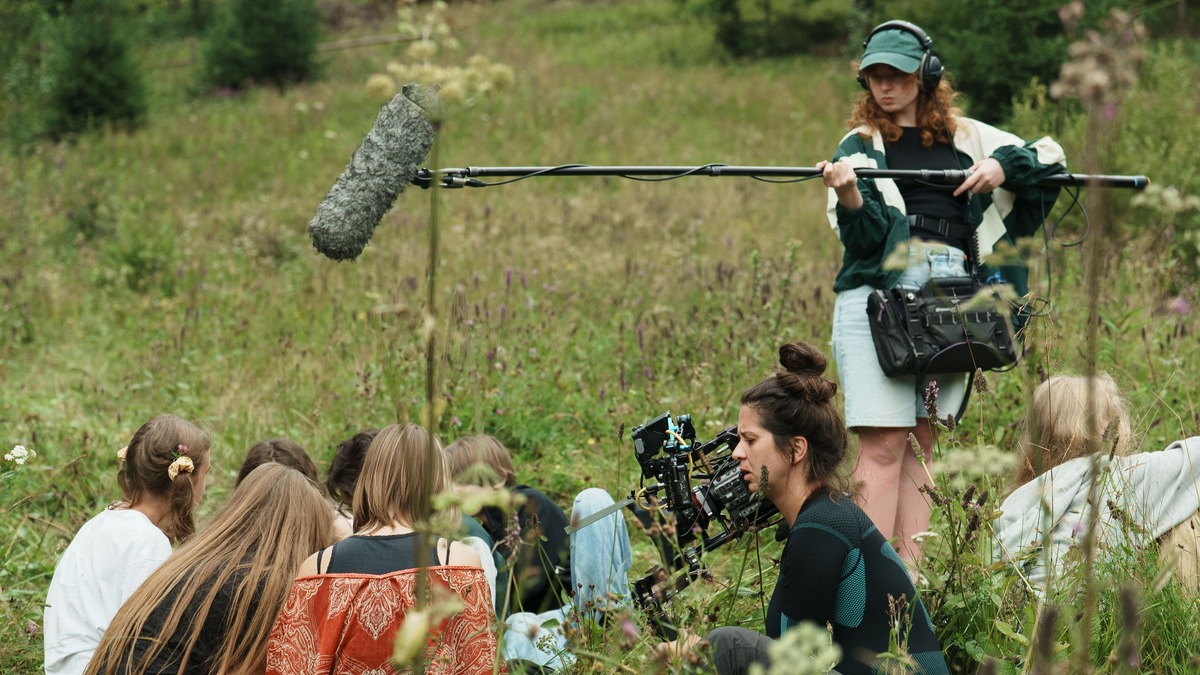
Olha M.: My first source of motivation is very personal. I was a teenager who never had access to an experience like this. I often say that I do this for fourteen-year-old Olia from Hnizdychiv, who thought she was crazy for dreaming of becoming a film director, because in the place where she was growing up, that dream seemed almost absurd.
The second reason is the crisis itself. In the face of catastrophe, doing nothing can be deeply painful. So, I do what I can. I try to create an alternative, something that might make life a little easier for someone else. And I will keep doing it for as long as I feel able to.
The second reason is the crisis itself. In the face of catastrophe, doing nothing can be deeply painful. So, I do what I can. I try to create an alternative, something that might make life a little easier for someone else. And I will keep doing it for as long as I feel able to.
I often think that none of this should ever have happened to us, and that none of us should have had to live through these experiences. But if you remain sensitive to the reality we live in, doing nothing simply stops being an option.
Teenagers Reflect: What the Residency Experience Means to Participants
- Has your attitude toward your own creativity changed after participating? How?
Viktoriia: My perception of creativity changed drastically. Before, it seemed like something unattainable, like the privilege of the “chosen few” or of people who devote their whole lives to art. But after the residency, I realized that creativity is that very “sixth breath” that opens up new meaning. In truth, creativity does not choose people. We are the ones who choose it in our lives.
- Which moment from the residency do you think about most often?
Sonia: There are two moments I return to again and again. The first is the evening before our final performance at the Svitlo Gallery. We were all sitting together in one room talking, laughing, crying, and dancing. We were filled with anticipation for something important and beautiful that was about to happen. There was so much life and gratitude in that moment.
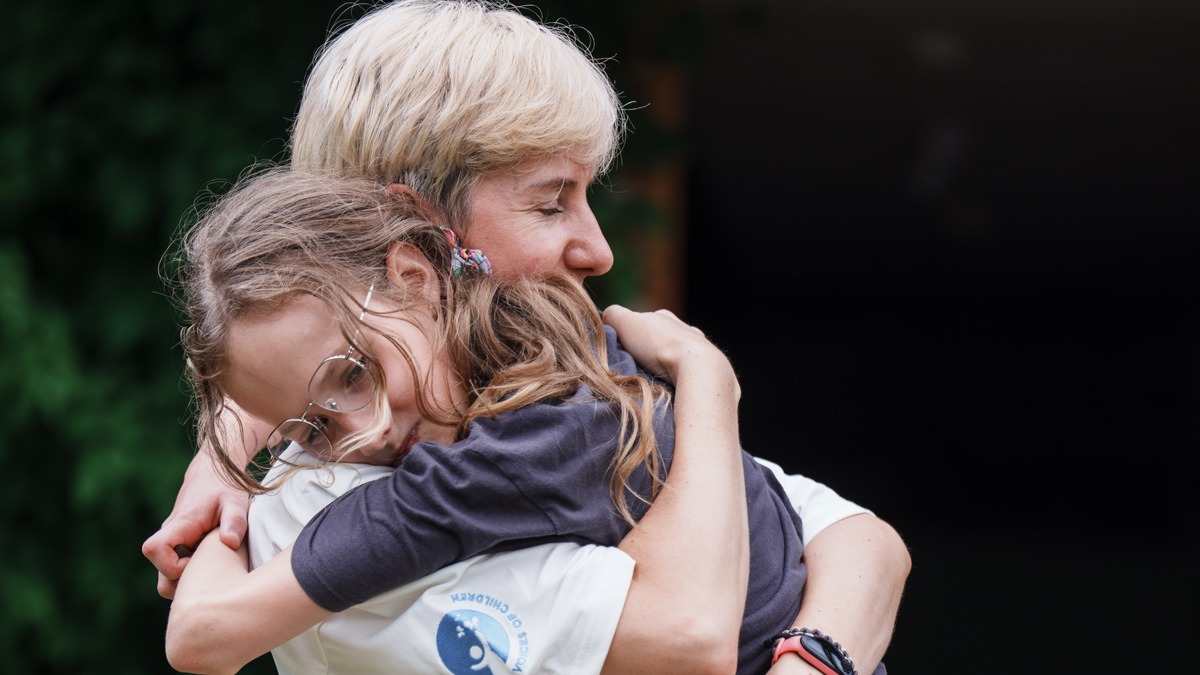
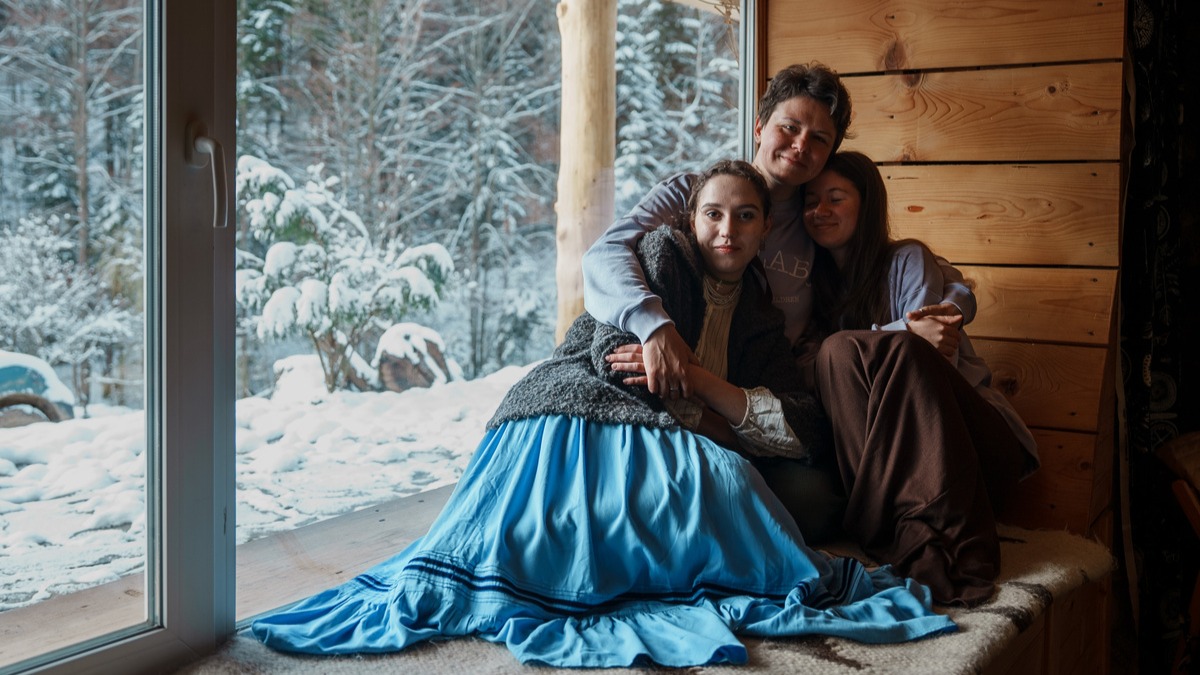
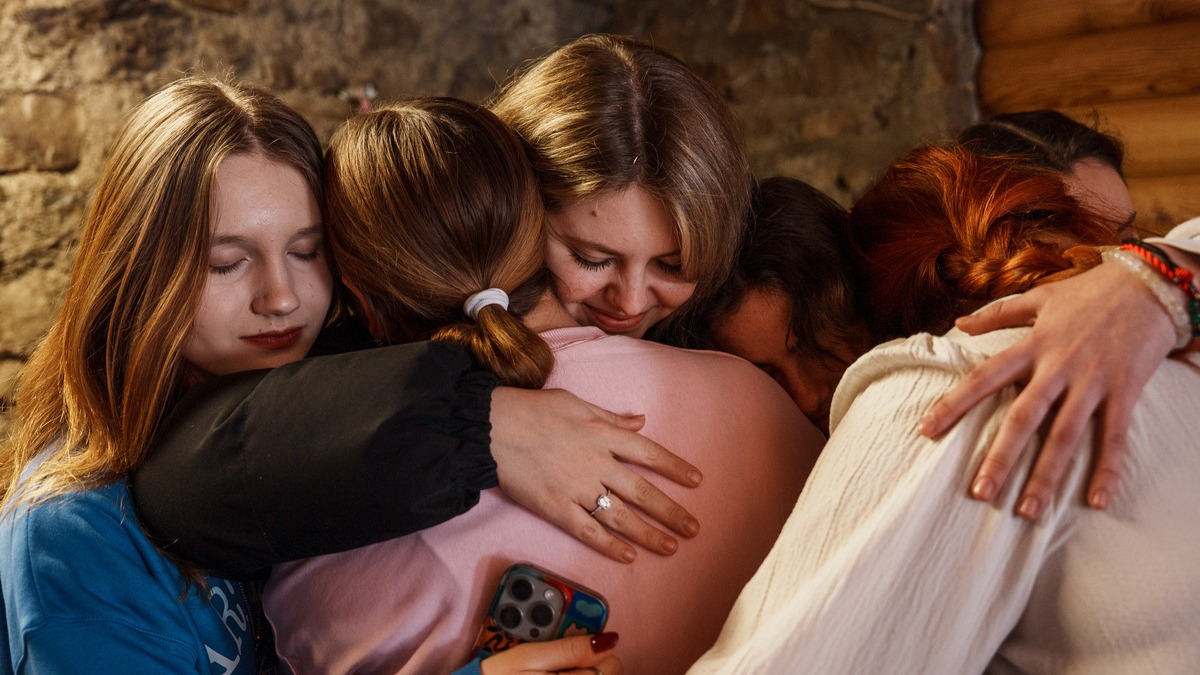
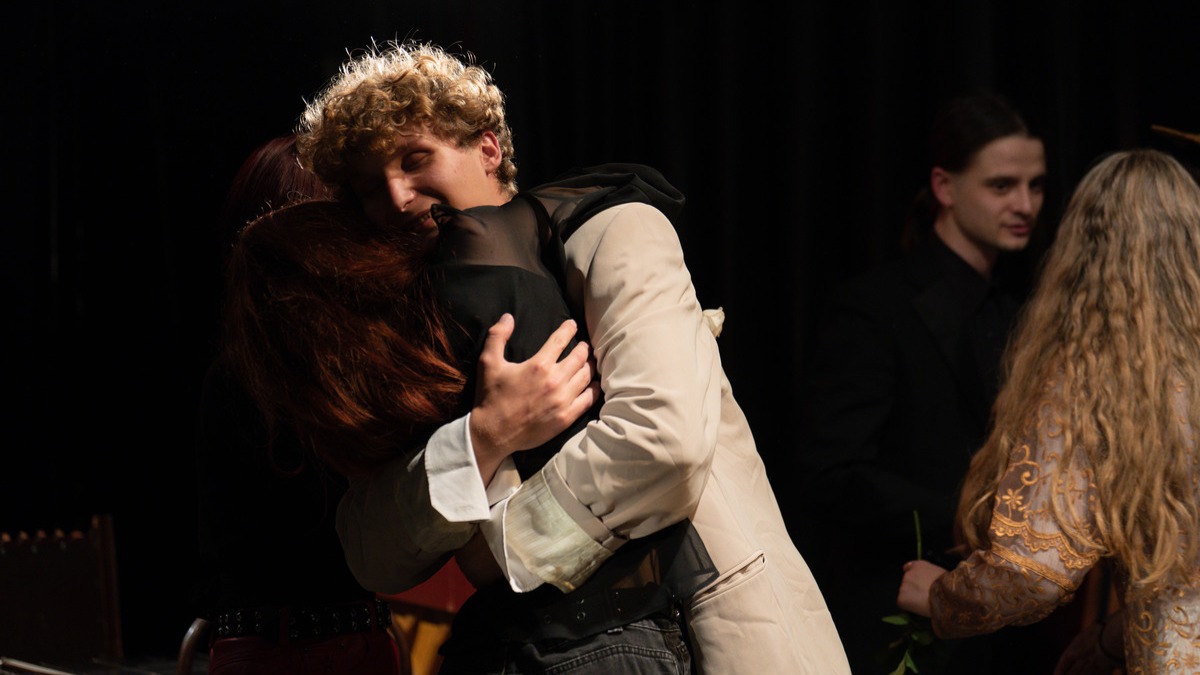
The second is the evening after the performance. We had finally exhaled with relief. We hugged each other one by one, trying to preserve the moment in our memories, and then gathered for our final circle. To me, it felt like a scene from a film about a large creative family: people holding onto one another while creating something extraordinary together.
- What does being part of an artistic community mean to you?
Halia: It means understanding that you have a circle of people who will understand you; knowing there are people you can finally talk with about art and feel you are on the same wavelength. It means knowing many amazing people who are passionate about what they do and knowing who to turn to with a question or an idea.
- What did you take from this experience into everyday life?
Kamila: I took with me the courage to express myself, openness to new connections, and belief in the power of collective creativity; discipline in my work and an understanding that growth requires consistency, as well as people I still stay in touch with and even meet again in other projects.
- Would you return if you had the chance? Why?
Ania: Absolutely. The residency became a major reset for me — physically, emotionally, and mentally. When I came home, I felt stronger and more energized. I carried a deep sense of inner calm and a lasting feeling of happiness. I miss that feeling.
I would love to see my Voices of Children friends, the community, and the mentors again, and to continue being part of that magical connection. I know there are plans for volunteering opportunities, and I feel that I could contribute. I dream that in a few years I will have enough experience to share my own knowledge, methods, and love for creating meaningful spaces for others.
- Was there a turning point when you thought, “This is exactly why I’m here”?
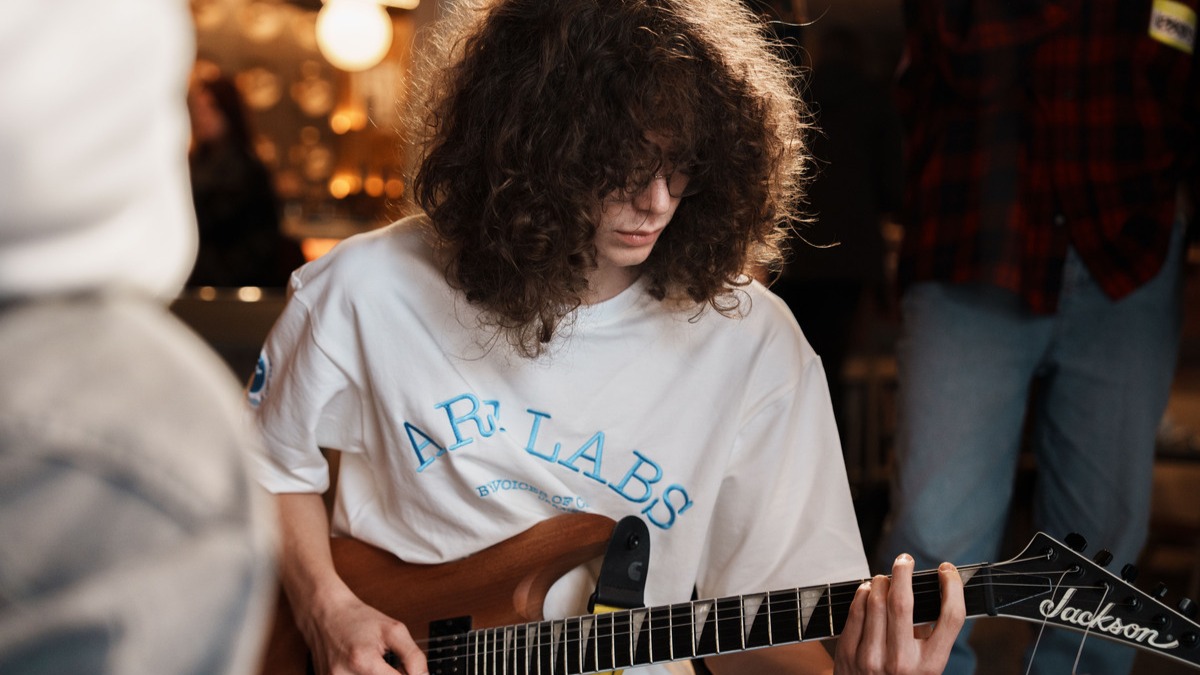
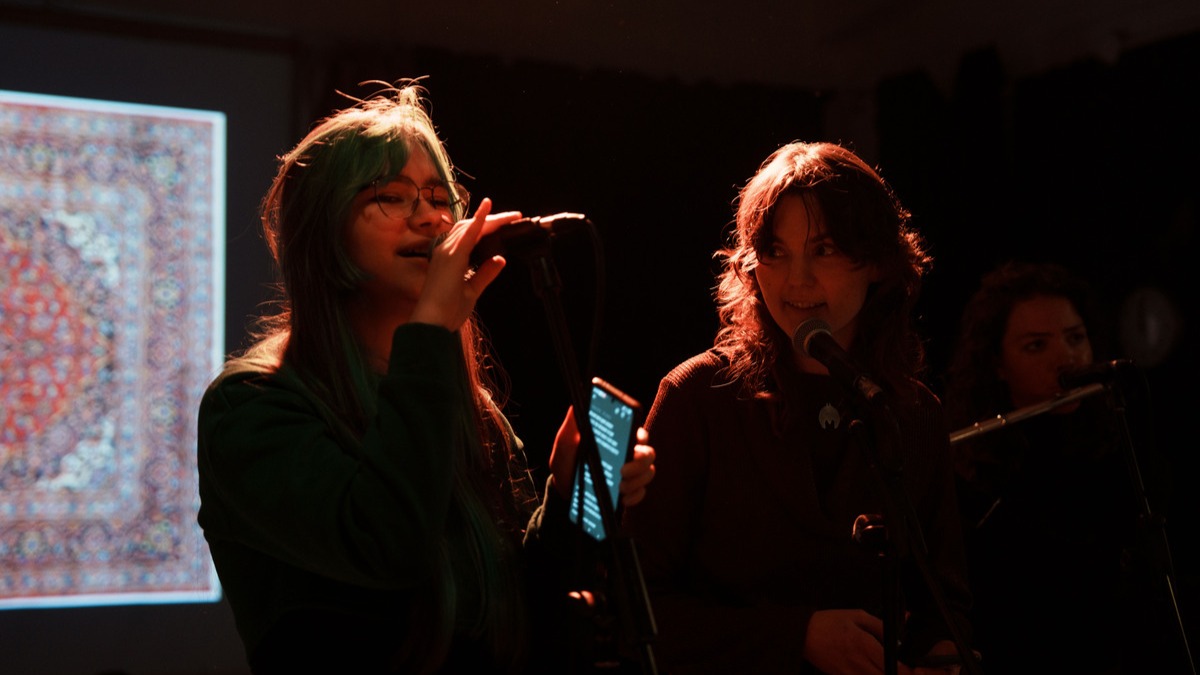
Eduard: Yes. It happened on the day we took our instruments to a jam session. I thought we would only be playing with the mentors, so I was amazed when around thirty musicians and listeners showed up for our improvised concert. I had never performed live before. But I picked up my guitar and was the first person to step onto the stage.
"I’ve been waiting for this moment my entire life," I remember thinking. I pushed through my fear, ignored my shaking hands, trusted myself completely, and lost myself in the music. It was one of the best moments of my life.
- What role did the other participants play in your experience?
Maksym: I had a team that could never be replaced. We felt a connection almost instantly. There was an immediate sense of synergy between us. That connection allowed all of us to fully immerse ourselves in the project.
- How did the residency influence your path afterward?
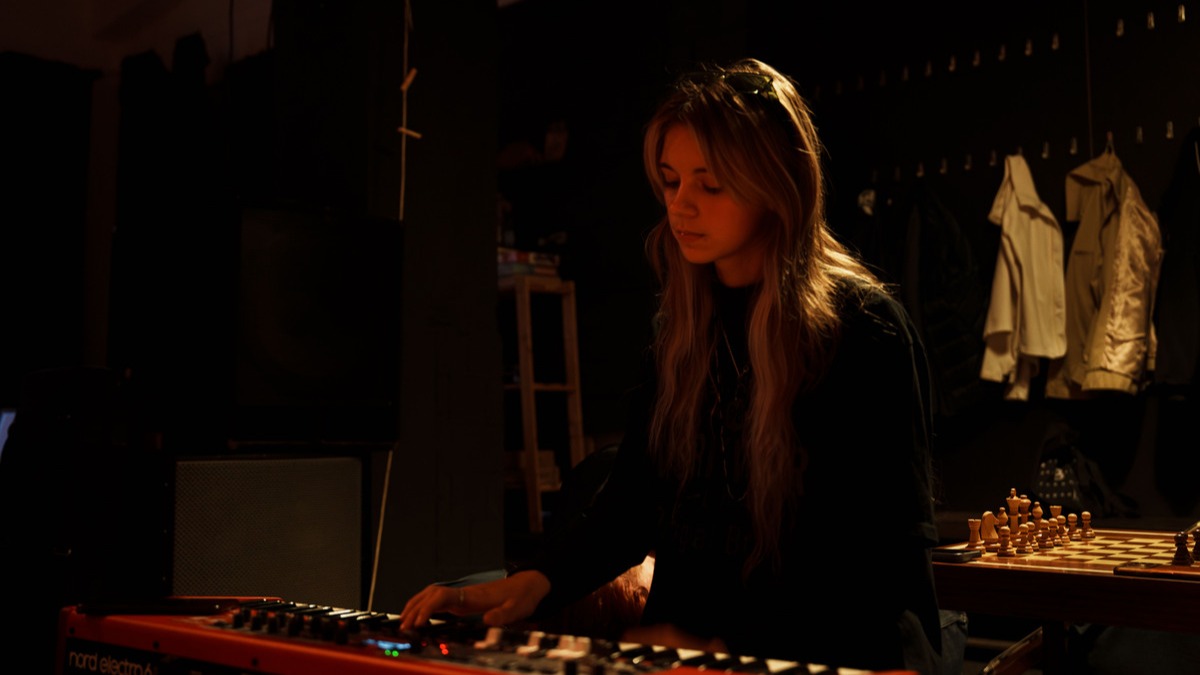
Yelyzaveta: I started an artistic collective and began working as a sound operator at an opera theater. I want to continue working with music. Right now, I am saving money to build a small home recording studio.
- If you had to describe the residency in one word, what would it be? Why?
Sofiia: Wildness. Because it is unpredictable and alive — just like people.
- Were there conversations or connections that left a lasting impression on you?
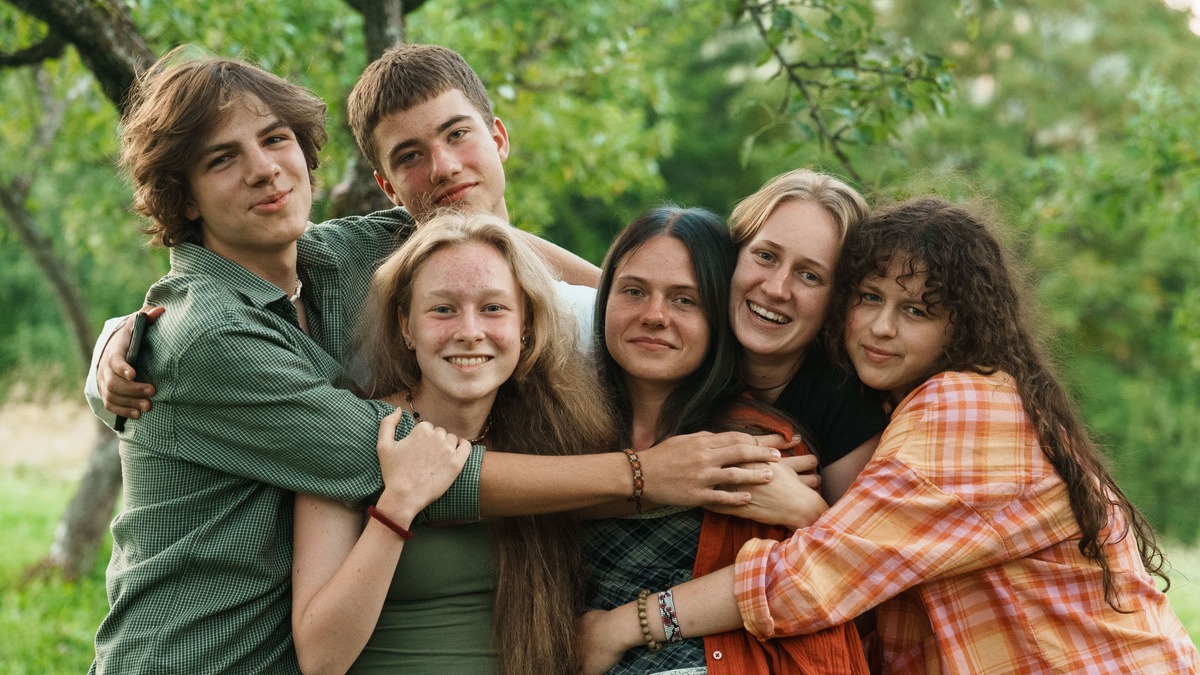
Vika: Absolutely. The conversations and new friends are still with me. We continue to keep in touch and support one another. Through those connections, I discovered so much about both the people around me and myself. The amount of love people had for one another was almost impossible to imagine. The kind of friendship and care that made me feel valued and important.
- Did you feel supported? How did that support show up?
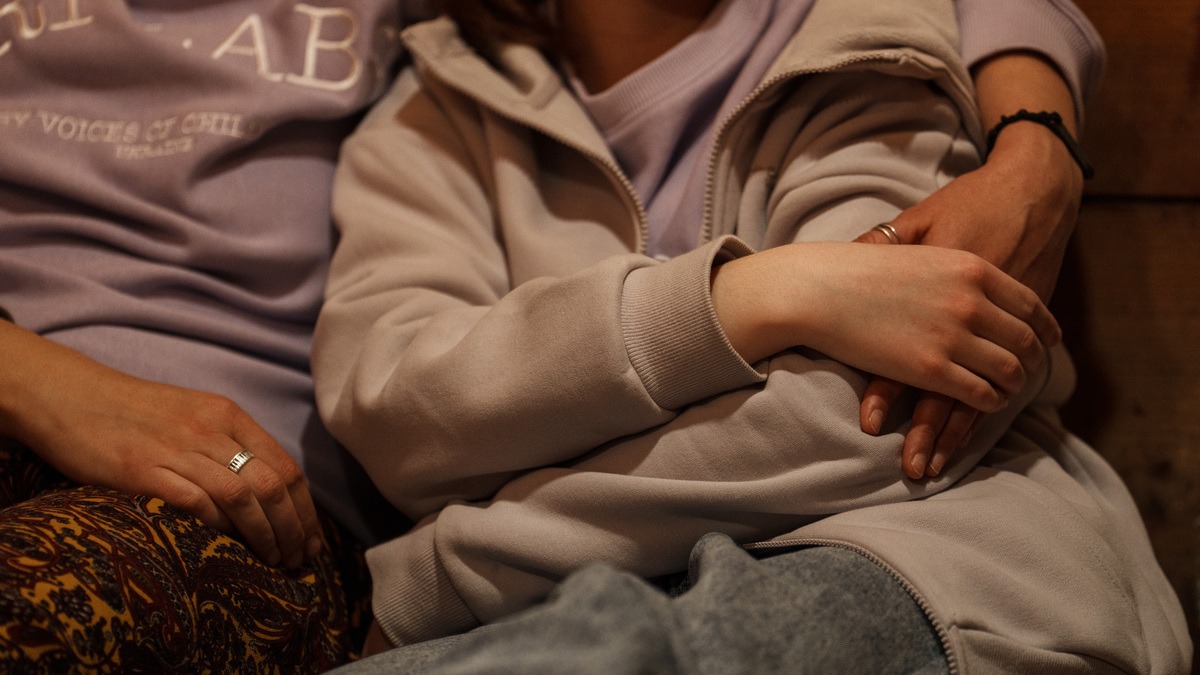
Nastia: In everything: in words, in a glance, in hugs, and in acceptance.
- Was there any work you were able to do at the residency that would have been impossible in ordinary life?
Mariia: It was a process of finding inner harmony. You cannot put your life back together entirely on your own. Human beings simply are not built that way. We all need one another. At the residency, everyone connected with everyone else in such an unusual and beautiful way that I gradually rediscovered my own voice, but within a microworld.
I brought back with me a model of pure calm. And whenever I struggle to find that feeling now, I return to those memories.
Support art labs for teenagers so that even more Ukrainian children can rebuild trust in the world through creativity.
Share: