Author:

Yuliia Didenko
“It’s ten o’clock at night, we’re walking through Truskavets, and the streetlights are on. The lights are actually on! And there’s music playing.” That was how colleagues from Ukraine’s frontline regions, with surprise and almost disbelief, described their first impressions of the city.
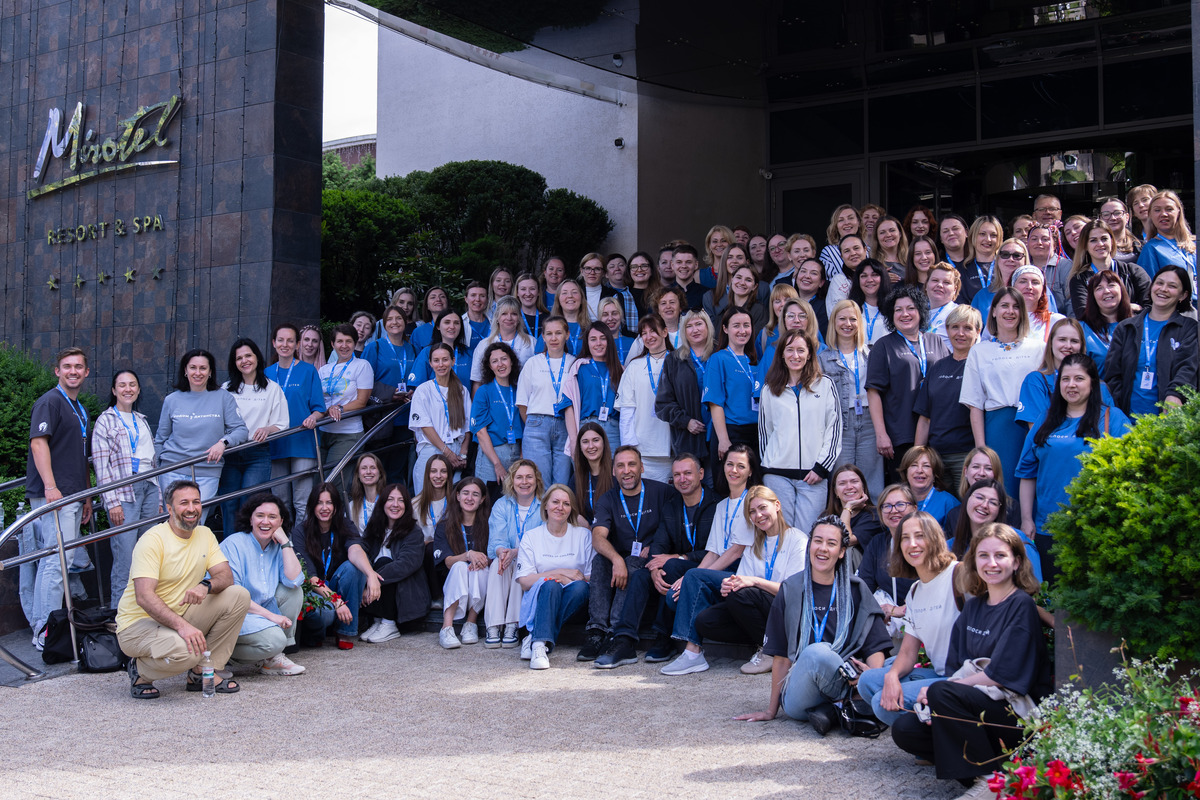
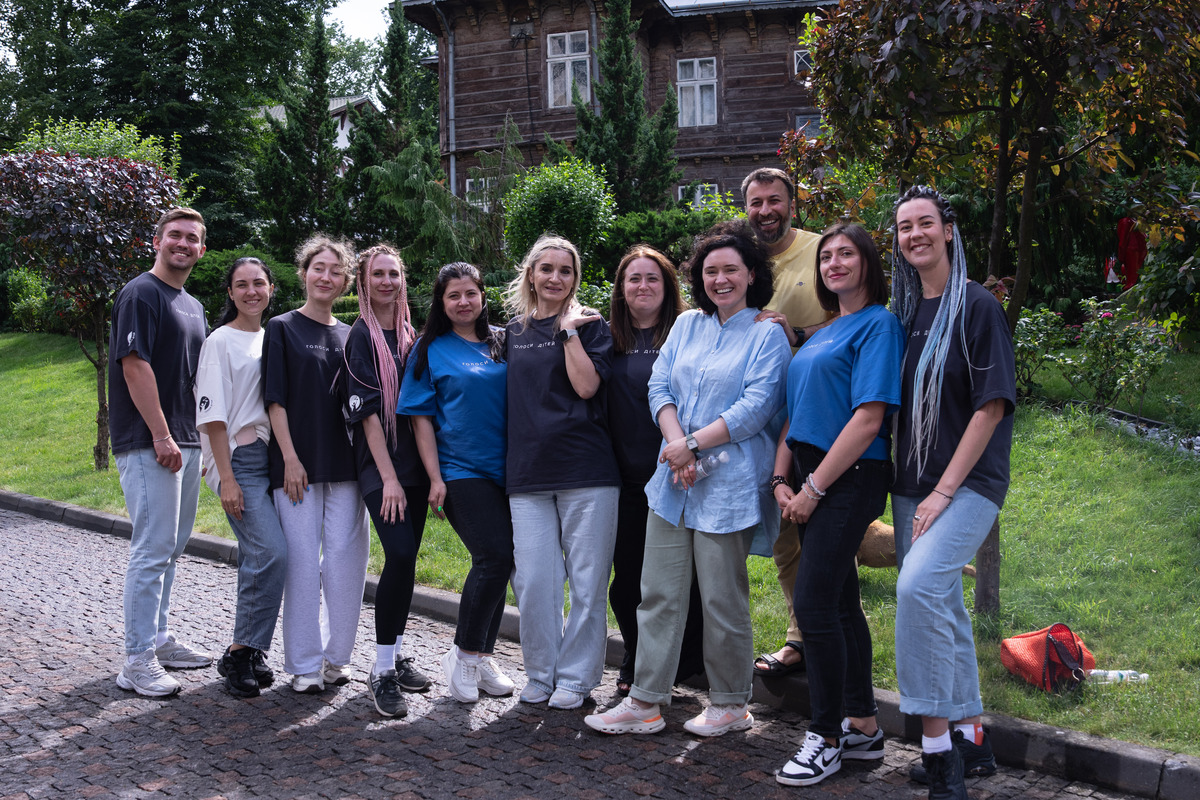
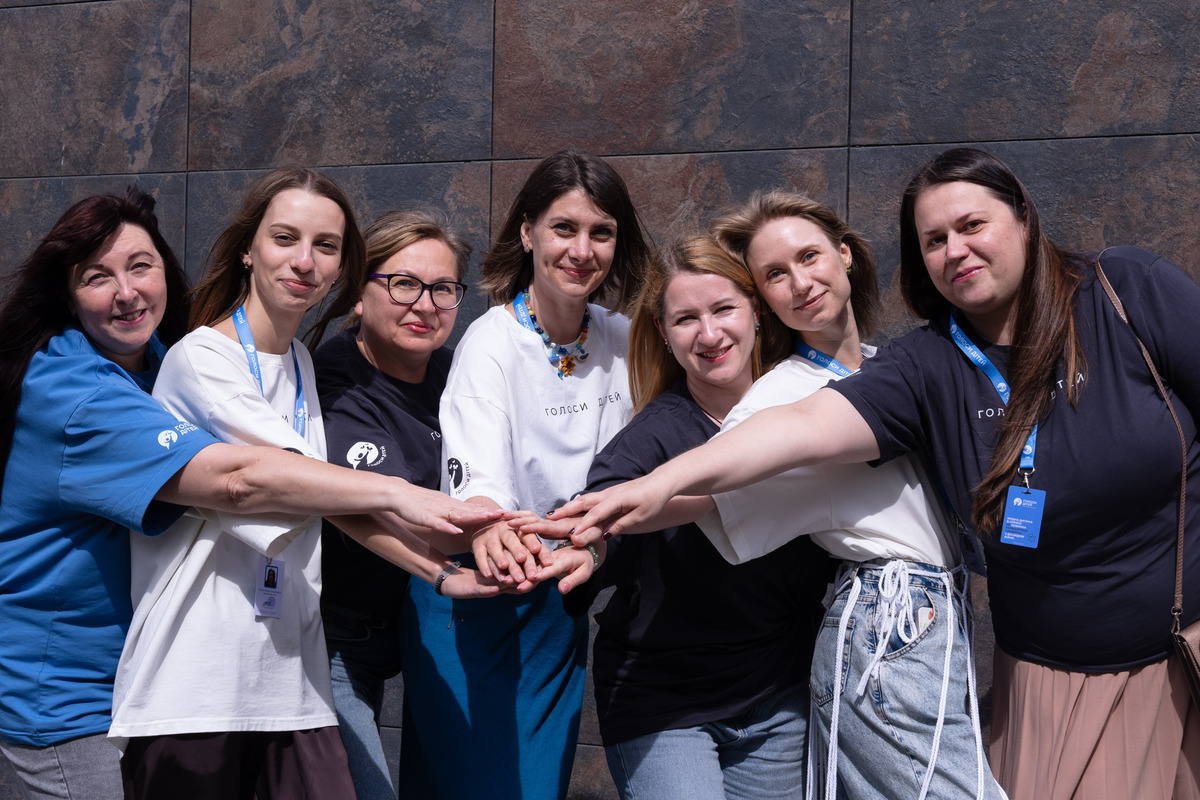
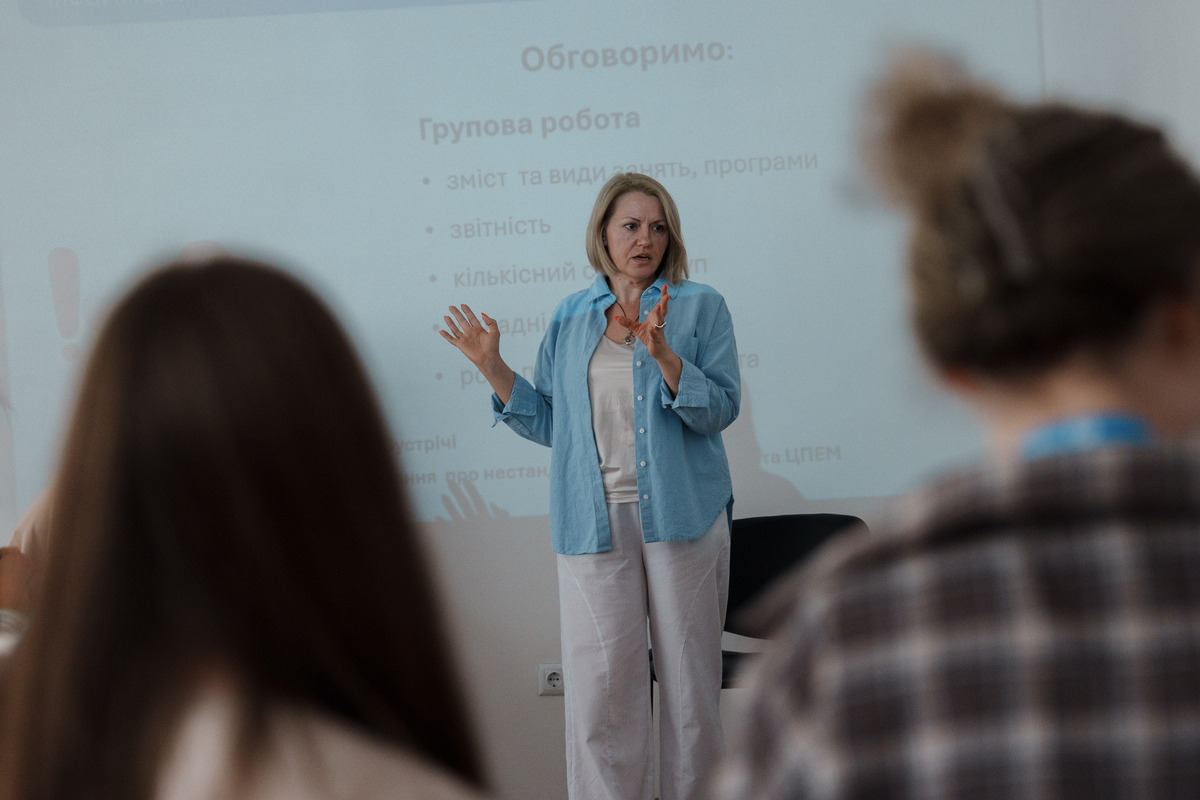
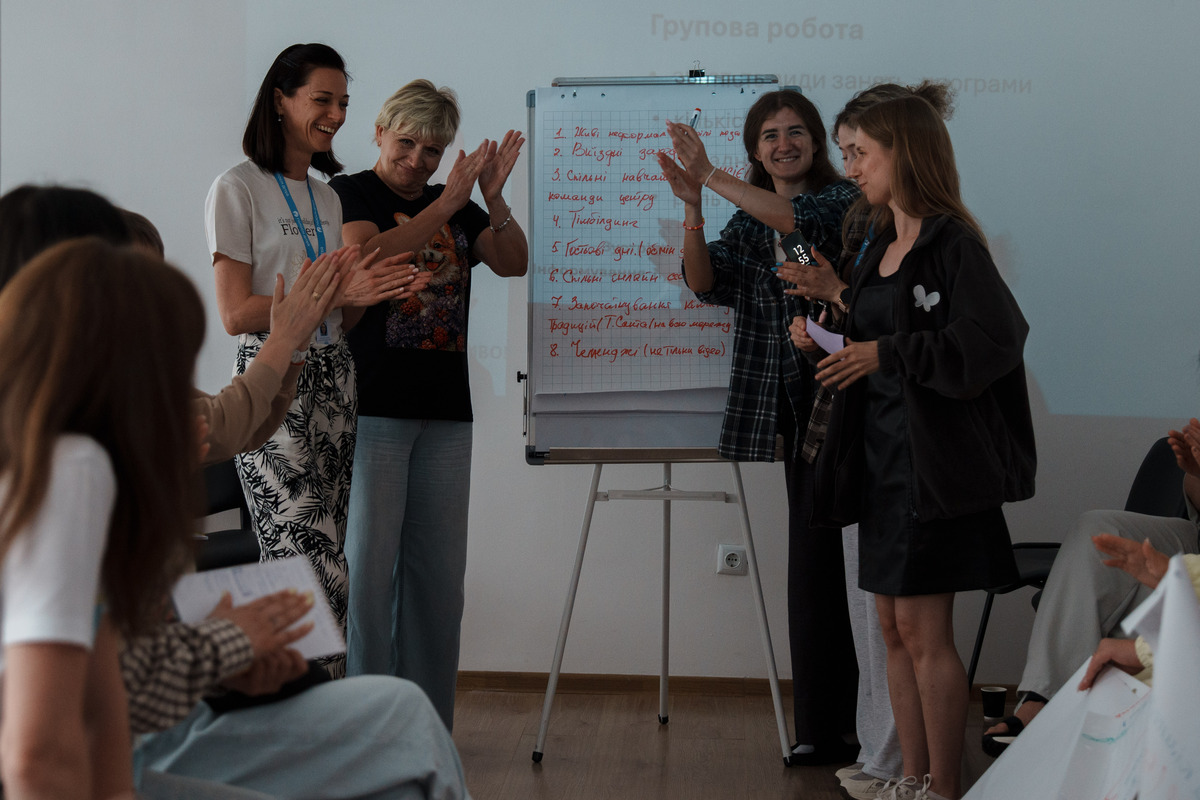
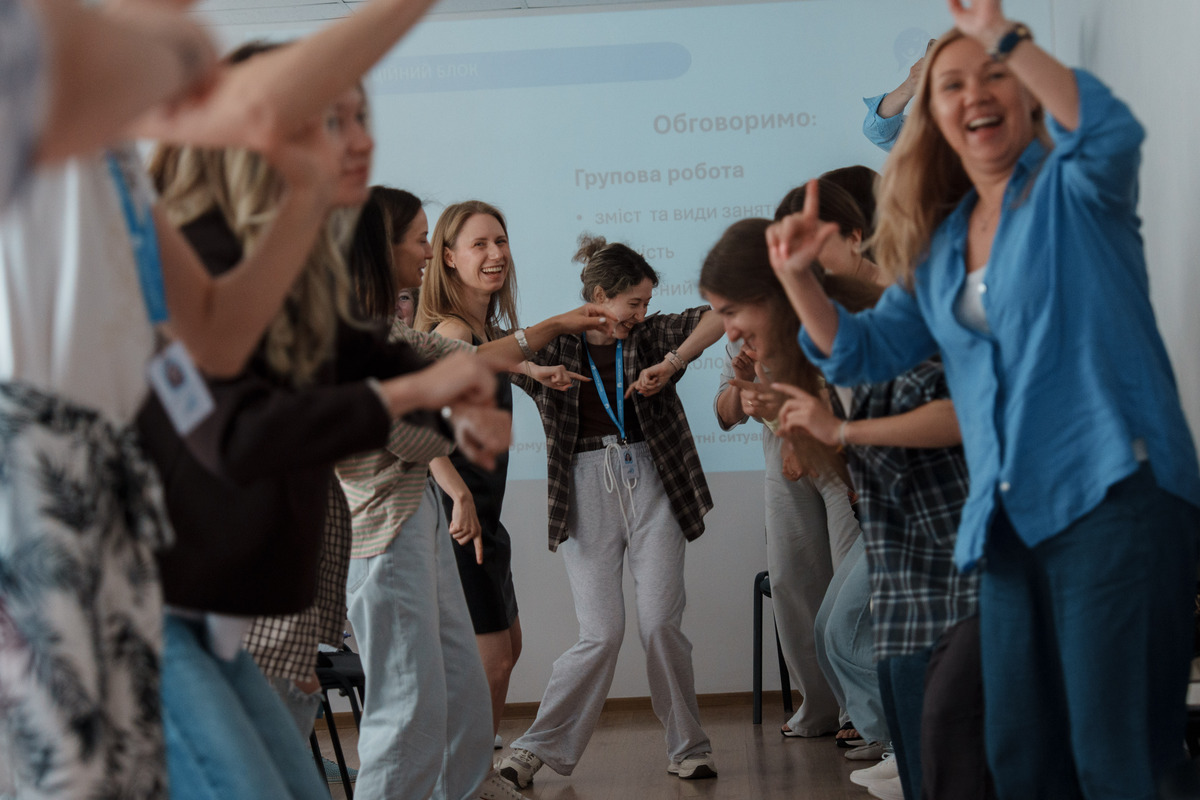
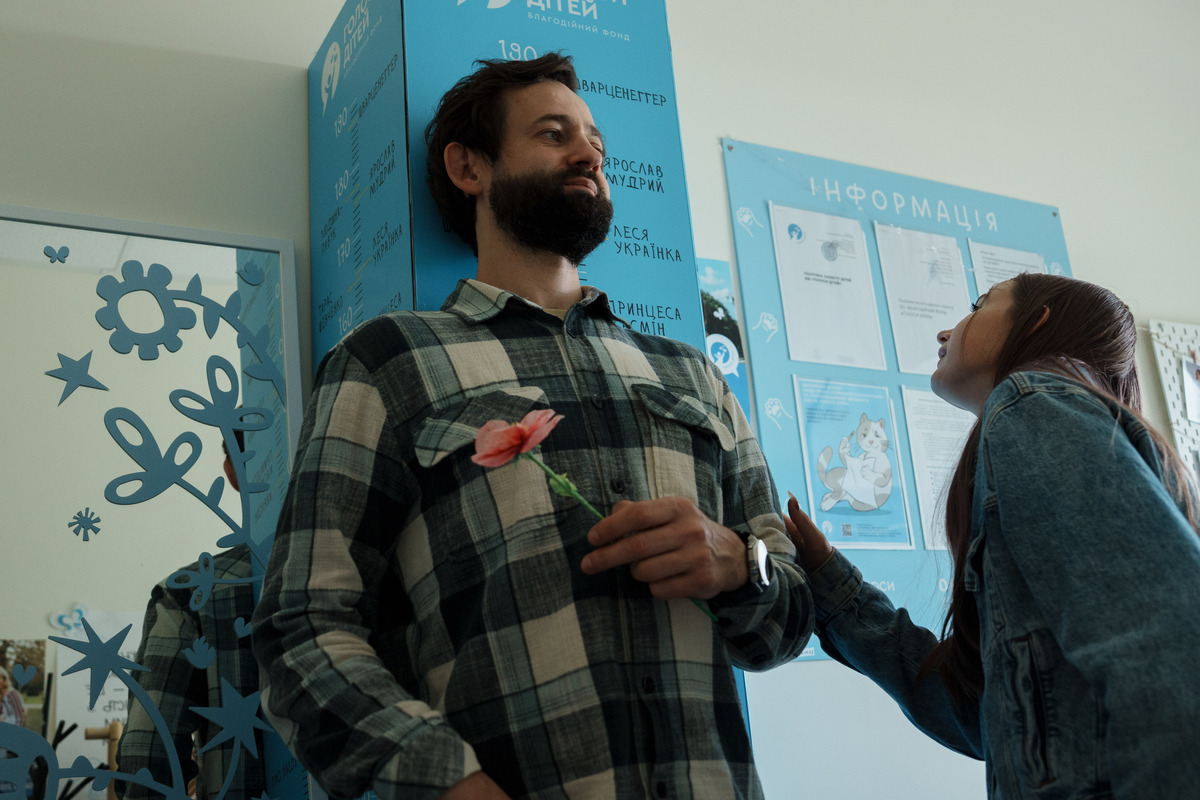
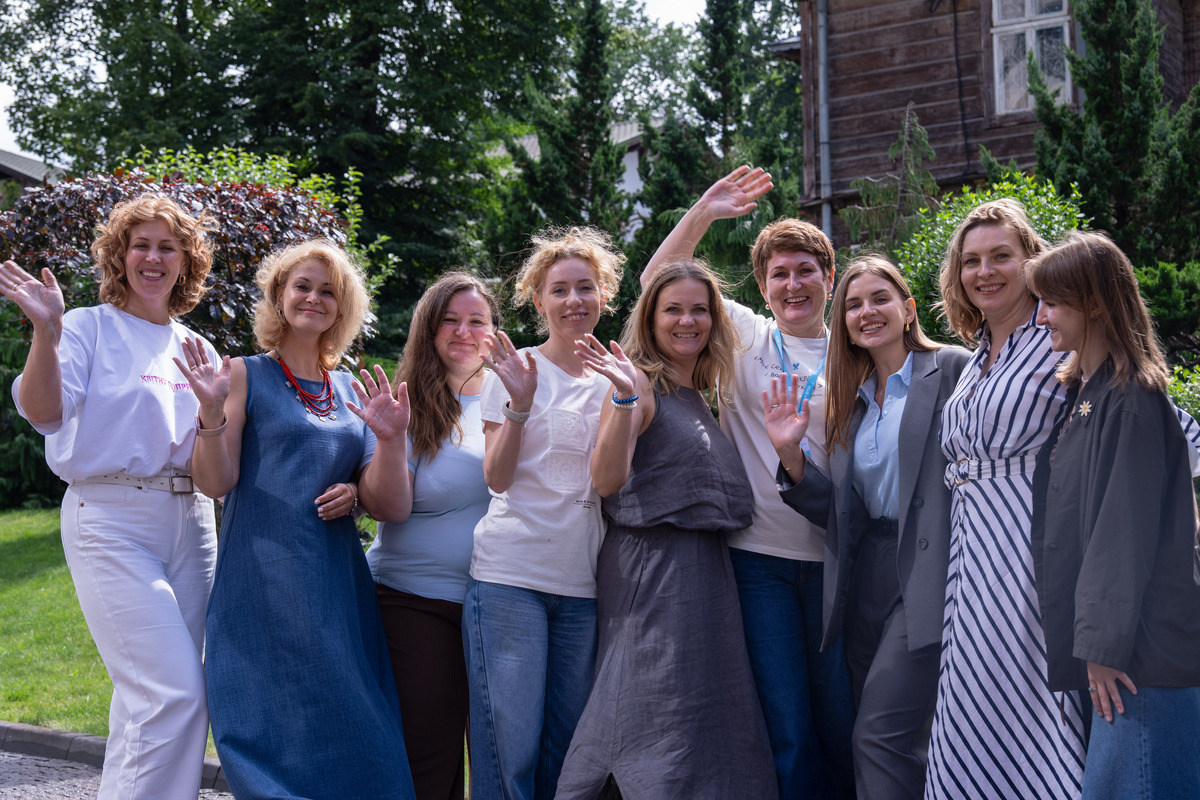
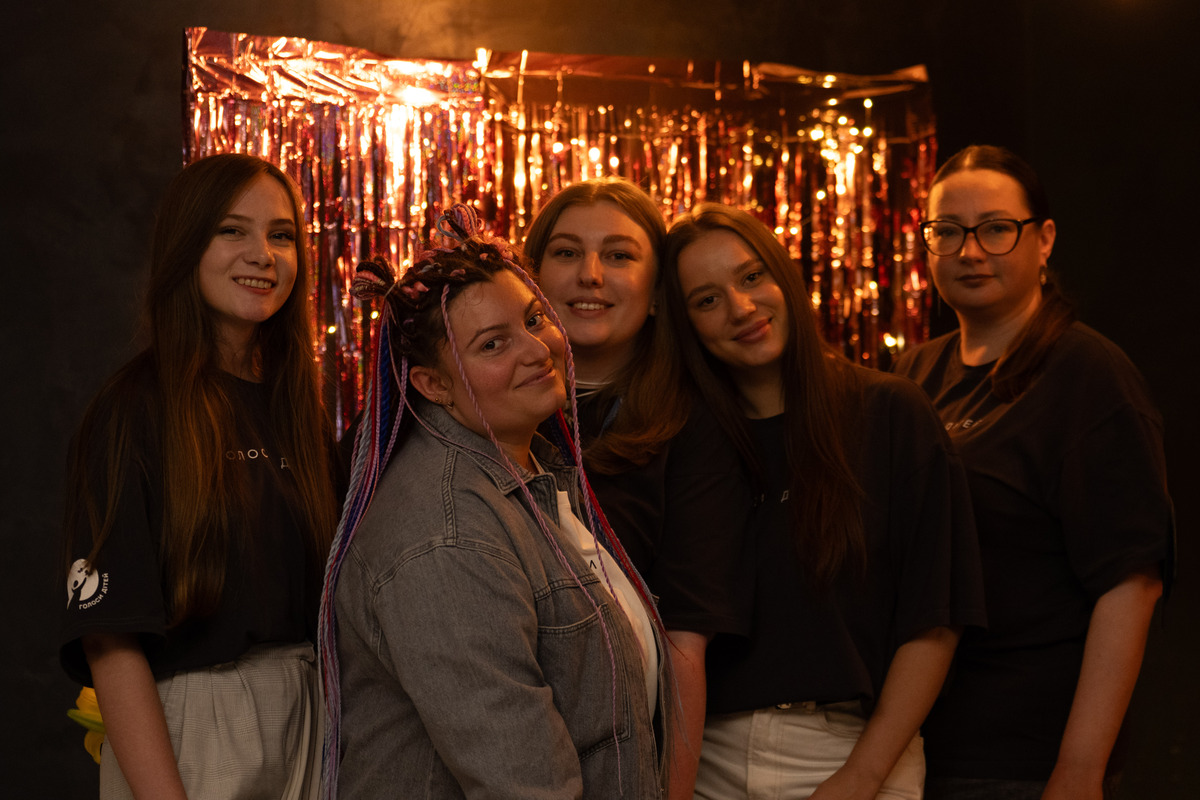
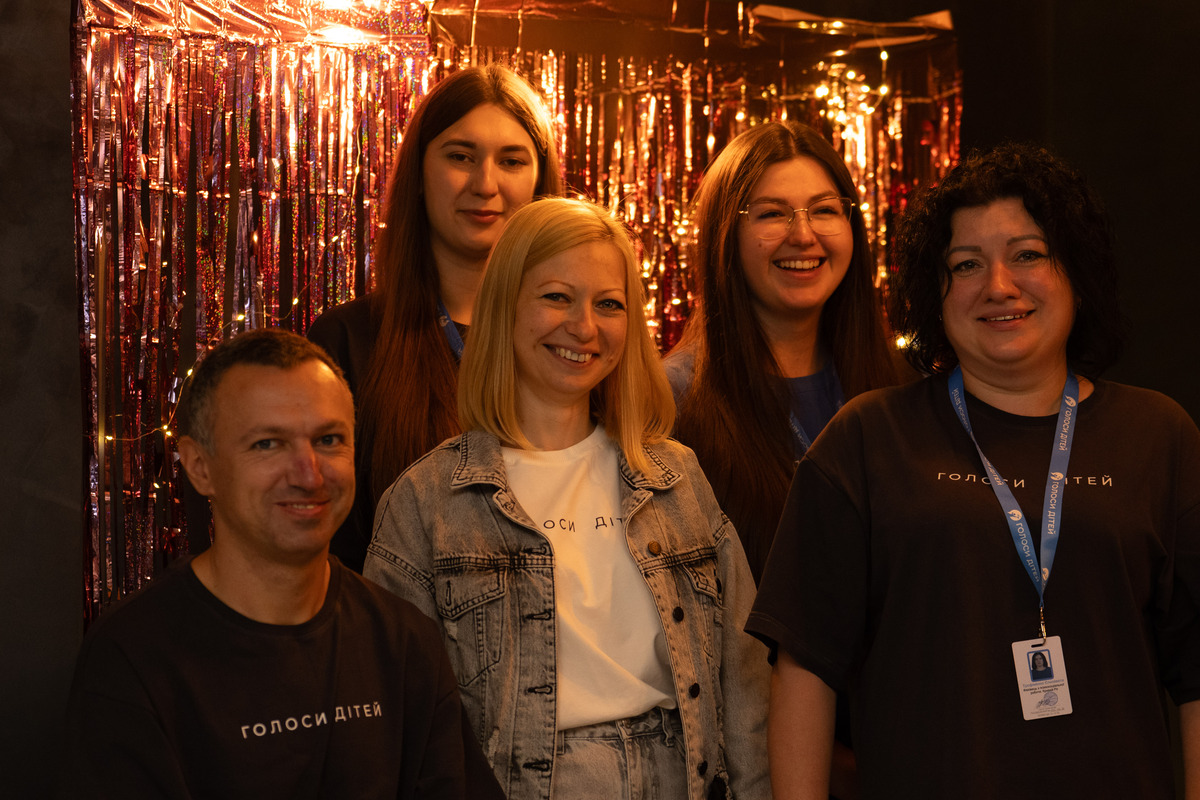
Once a year, the Foundation brings its entire team together for a week: psychologists from our regional centers and online support helpline, case managers, psychosocial support specialists, speech therapists, coordinators, administrators, and drivers of our mobile teams. Together, they spend the week working in thematic groups, learning practical ways to prevent burnout, discussing the Foundation’s future, and, perhaps most importantly, getting the chance to rest somewhere where air raid sirens are less frequent.
Once a year, the Foundation brings its entire team together for a week: psychologists from our regional centers and online support helpline, case managers, psychosocial support specialists, speech therapists, coordinators, administrators, and drivers of our mobile teams. Together, they spend the week working in thematic groups, learning practical ways to prevent burnout, discussing the Foundation’s future, and, perhaps most importantly, getting the chance to rest somewhere where air raid sirens are less frequent.
Learning to Get Used to Silence Again
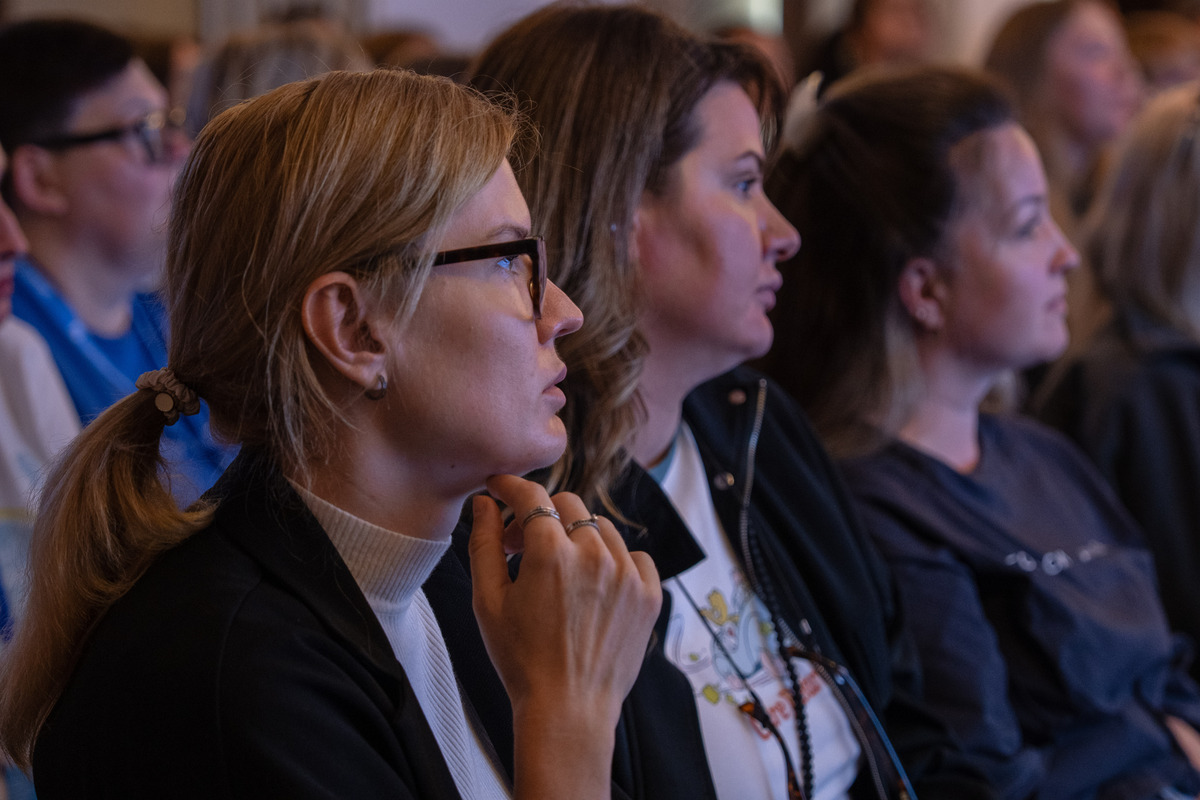
For many participants, the hardest thing to adjust to was the silence itself. Daryna Lepska, Regional Team Support Manager, recalls asking colleagues each morning whether they had managed to get a good night’s sleep. Many answered simply, “No.” What kept them awake was the lack of noise. For years, colleagues working in frontline regions have fallen asleep to the constant background sounds of war: air-raid sirens, air-defense systems intercepting missiles, distant explosions. Over time, they have learned to read those sounds — to understand what is happening around them and whether it’s time to get up and head for the nearest shelter. In Truskavets, that familiar soundscape disappeared. And with it, it seemed, disappeared their sense of orientation.
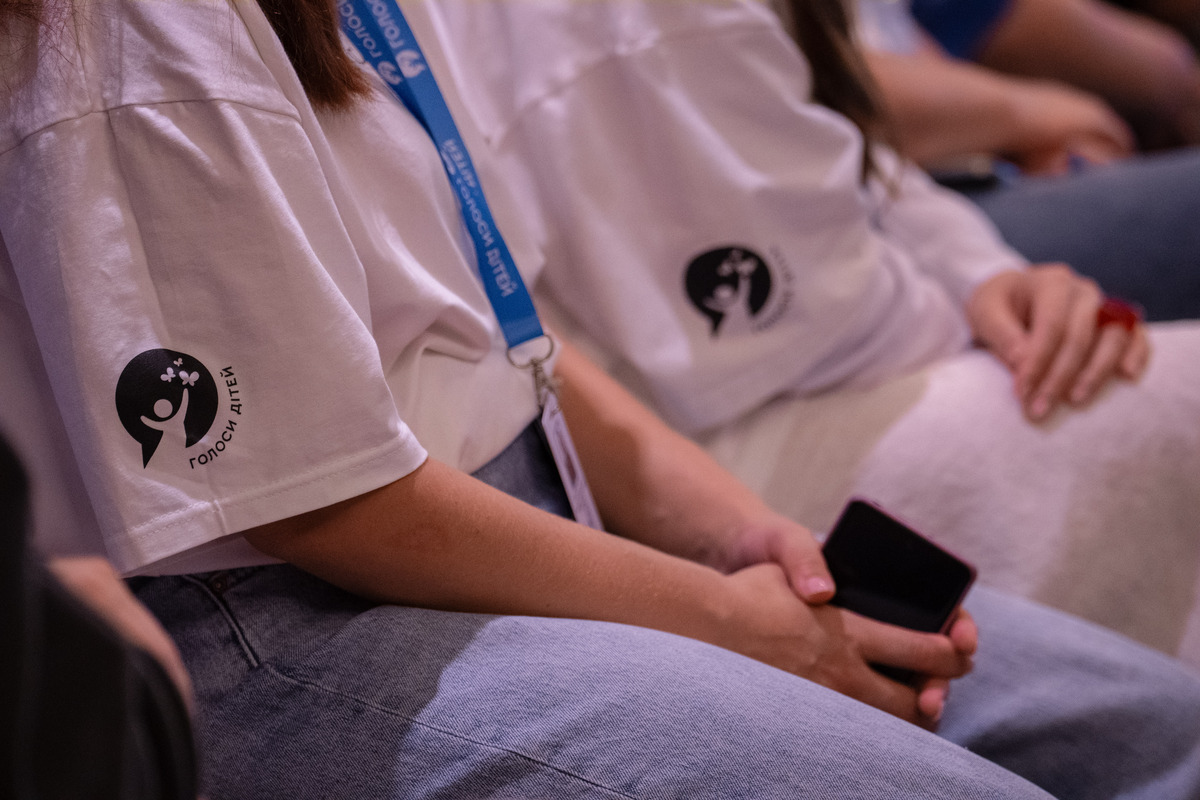
When everything is quiet, it feels as though you’ve lost your sense of control,
Their bodies reacted before their minds did. One specialist from Zaporizhzhia woke up on the first morning in her hotel room, reached out and touched unfamiliar bed sheets. For several minutes, she panicked, trying to understand where she was and what had happened overnight. During those first few days, many found it difficult to believe that there was no immediate danger. That is precisely why the Foundation sets aside an entire week for these retreats. Anything shorter simply isn’t enough for the body to truly begin relaxing.
A Week to Recover: Inside the Team Retreat
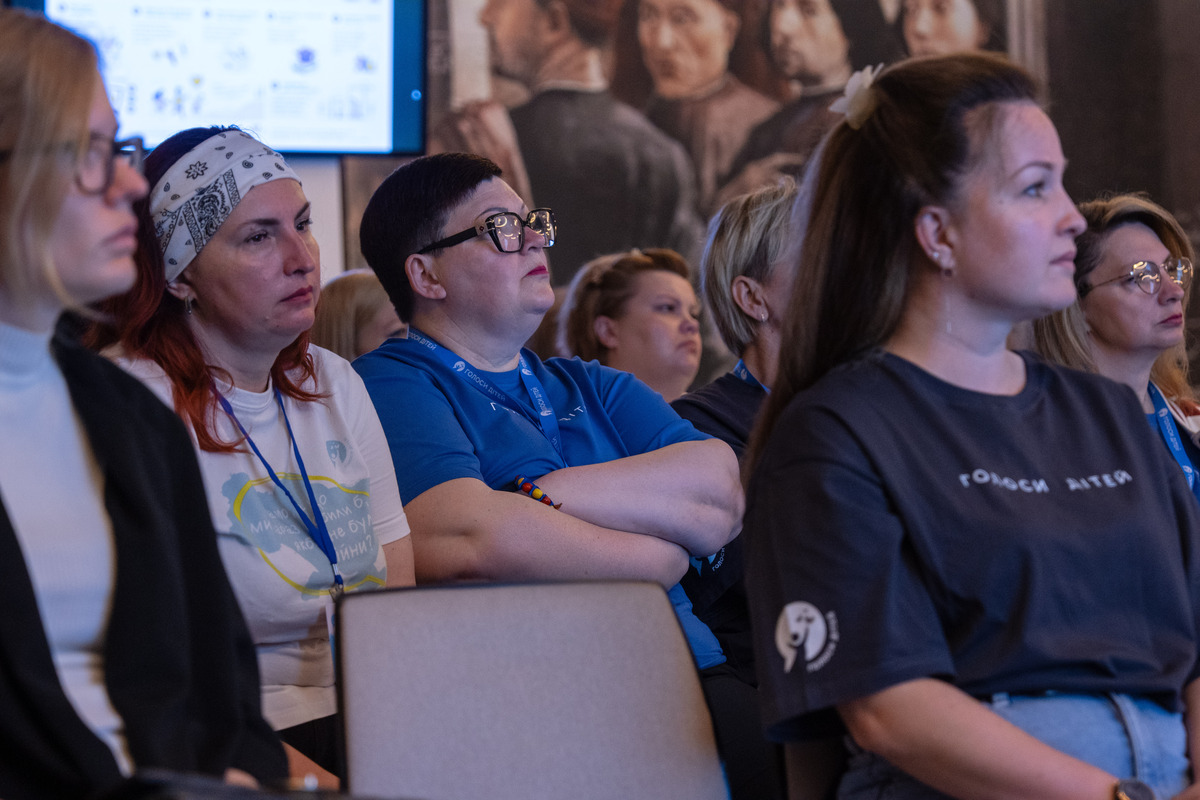
Burnout prevention workshops formed the heart of the program. Colleagues created personal motivation portraits, explored how to stop living on autopilot, and regain the ability to make conscious decisions. At the Foundation’s regional center in Truskavets, they also took part in creative activities: making plaster figurines, weaving bracelets, and painting reusable tote bags.
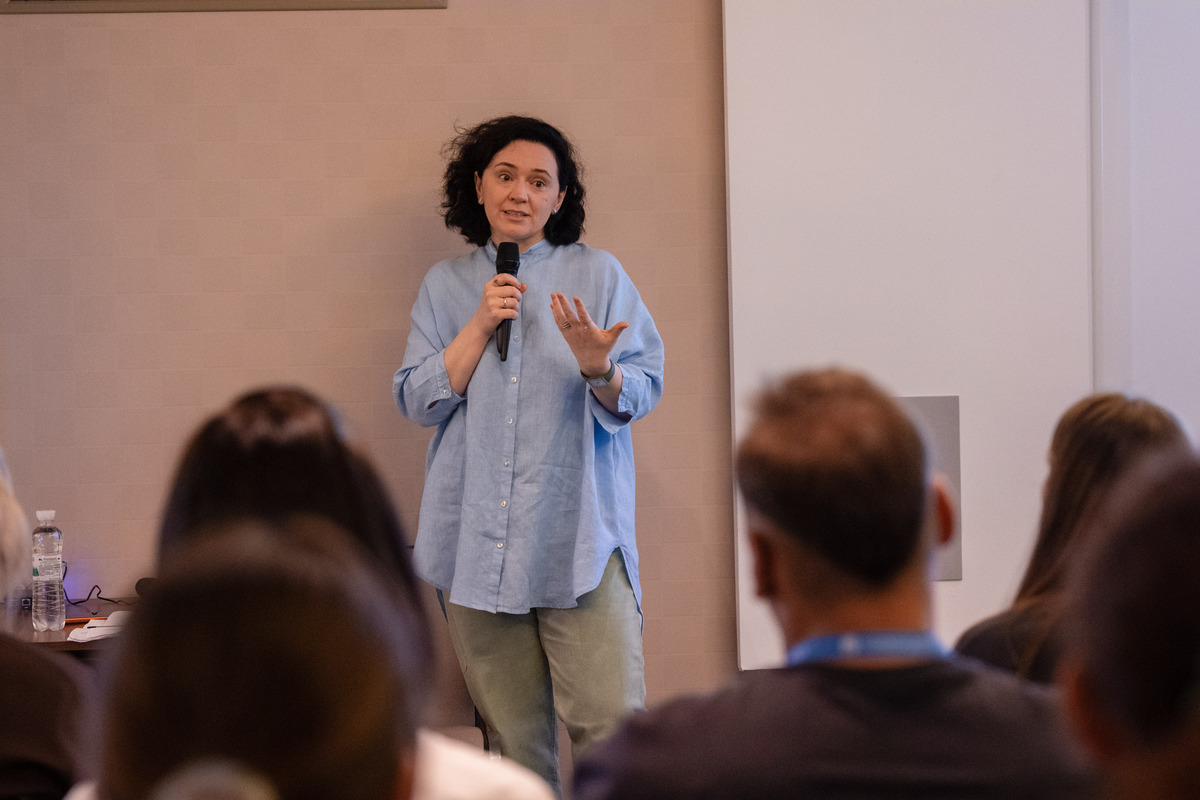
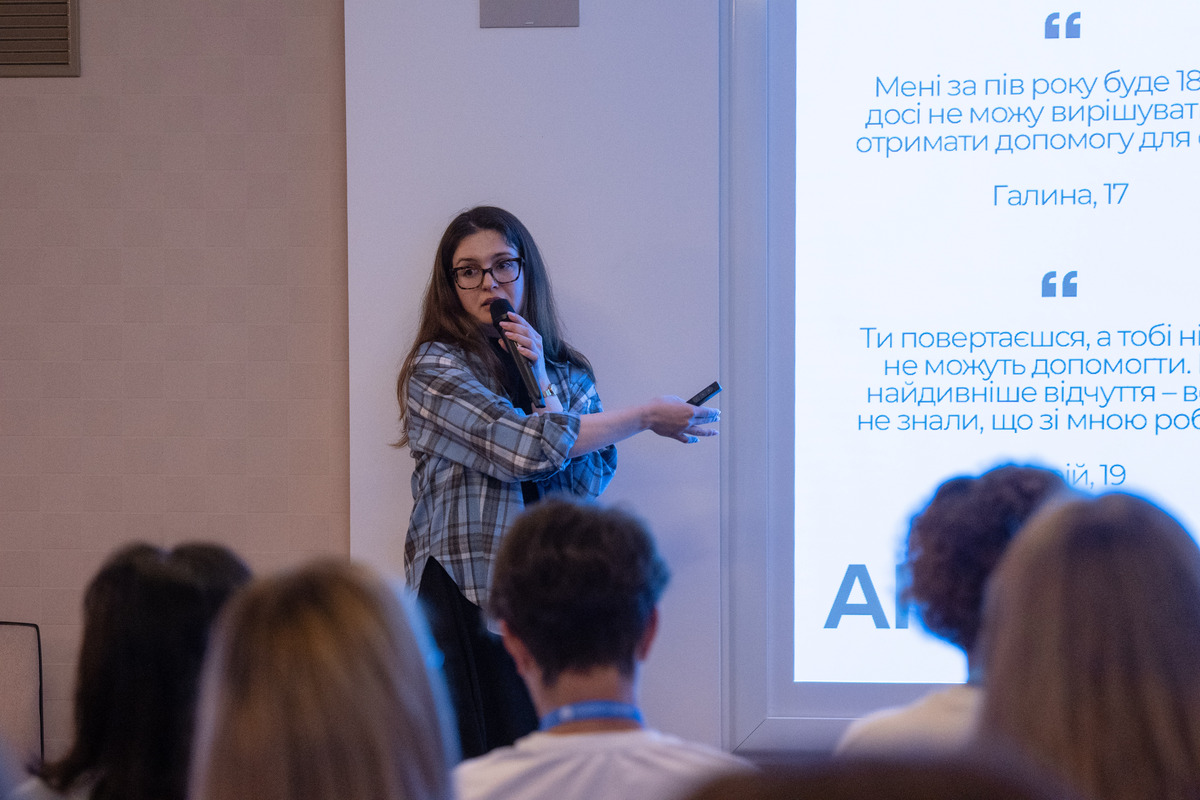
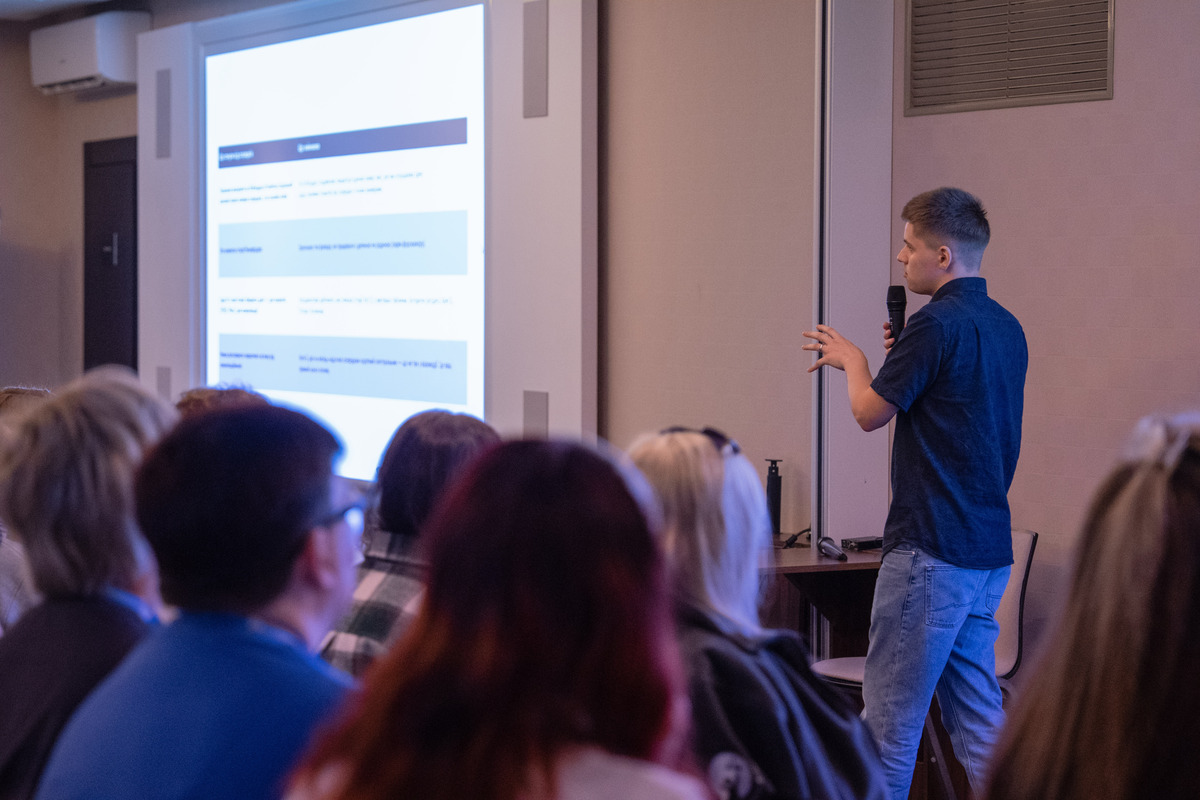
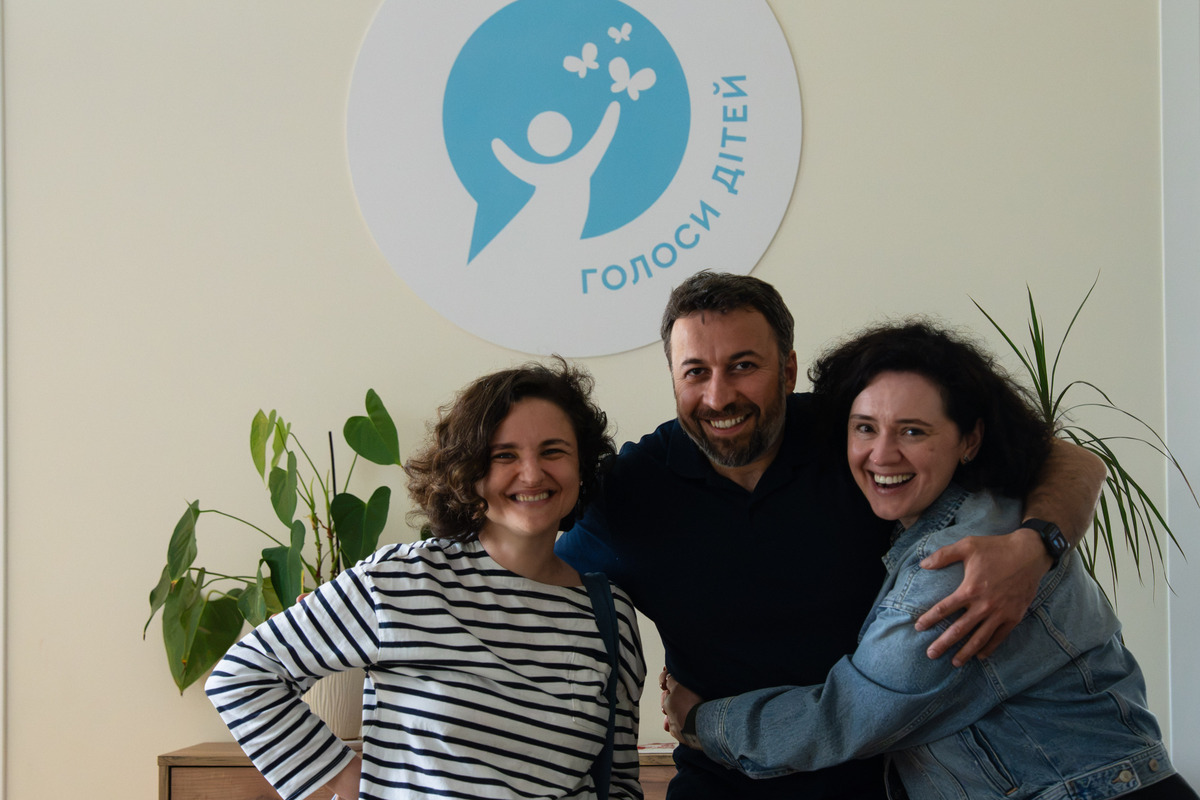
Olena Rozvadovska and Azad Safarov, co-founders of Voices of Children, spoke about the Foundation’s philosophy, mission, purpose, and values. They also helped colleagues from different teams get to know one another better. Olena Lisova, who leads the online psychological support helpline, spoke about the essence of psychologists’ work: why it is important to do precisely what the Foundation does. Managers Viktoriia Petruk and Daryna Lepska explained how the regional network is structured, how the centers work together, and how they respond to families’ requests. Alla Perfetska demonstrated how advocating for children’s rights becomes part of everyday practice rather than remaining just a theory. Markiian Klymkovetskyi spoke about ethical communications and digital media — how to tell children’s stories without causing them additional harm.
Olena Rozvadovska and Azad Safarov, co-founders of Voices of Children, spoke about the Foundation’s philosophy, mission, purpose, and values. They also helped colleagues from different teams get to know one another better. Olena Lisova, who leads the online psychological support helpline, spoke about the essence of psychologists’ work: why it is important to do precisely what the Foundation does. Managers Viktoriia Petruk and Daryna Lepska explained how the regional network is structured, how the centers work together, and how they respond to families’ requests. Alla Perfetska demonstrated how advocating for children’s rights becomes part of everyday practice rather than remaining just a theory. Markiian Klymkovetskyi spoke about ethical communications and digital media — how to tell children’s stories without causing them additional harm.
Why Specialists Burn Out and How We Try to Prevent It
Psychologists, case managers, psychosocial support specialists, speech therapists, and mobile team drivers all live in the same communities as the families they support. They hear the same explosions. They take shelter during the same air raid alerts. And every day, as they help children process pain and trauma, they quietly put their own aside. One year passes, then another, and another. Eventually, many specialists burn out and leave the profession. That is why, at Voices of Children, we believe one simple truth: it is impossible to truly care for children without first caring for the people who stand beside them every day.
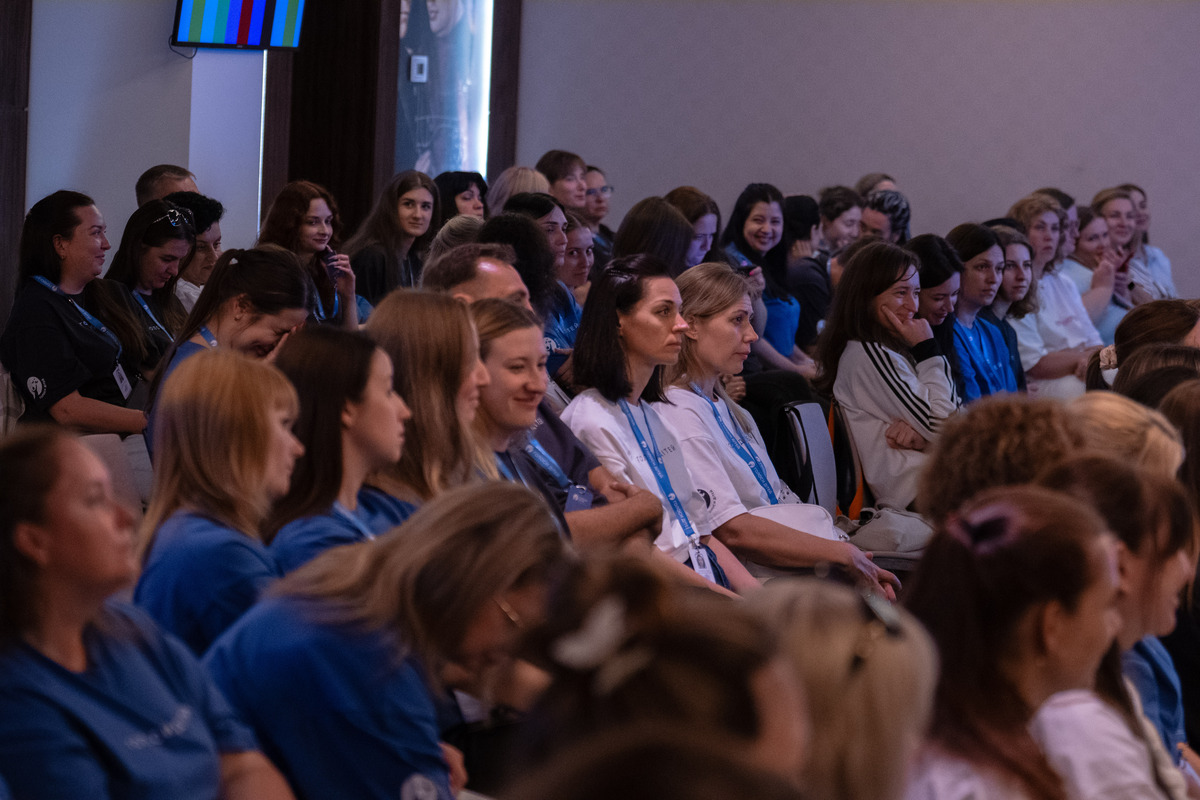
For many team members, this week became a genuine opportunity to reset. A chance to experience a calm life without sirens or explosions. To wake up to beautiful views, to breathe fresh air, to enjoy good food, and to fall asleep peacefully in a comfortable bed. These may seem like simple things, but today they feel incredibly precious. Thank you for creating a space where you can simply be yourself. For the feeling that you’re surrounded by people who truly understand what our lives are like and everything we’ve been through,
For Lolita, the burnout prevention workshop became a space for honest self-reflection, rethinking, and learning to care for others and for herself. Sofiia from our Sumy team said she was grateful for a week filled with face-to-face conversations, silence, delicious food, and comfortable beds.
Recharged, inspired, and carrying a sea of wonderful impressions, we’re getting back to work,
How You Can Support Our Team
If our specialists are to remain a source of strength for children, they need opportunities to recover, too. Institutional support allows us to care for our team by funding the training, professional supervision, and time to rest that are essential for sustaining high-quality psychological support for children.
Support those who care for children every day
Share: