The Childhood Center
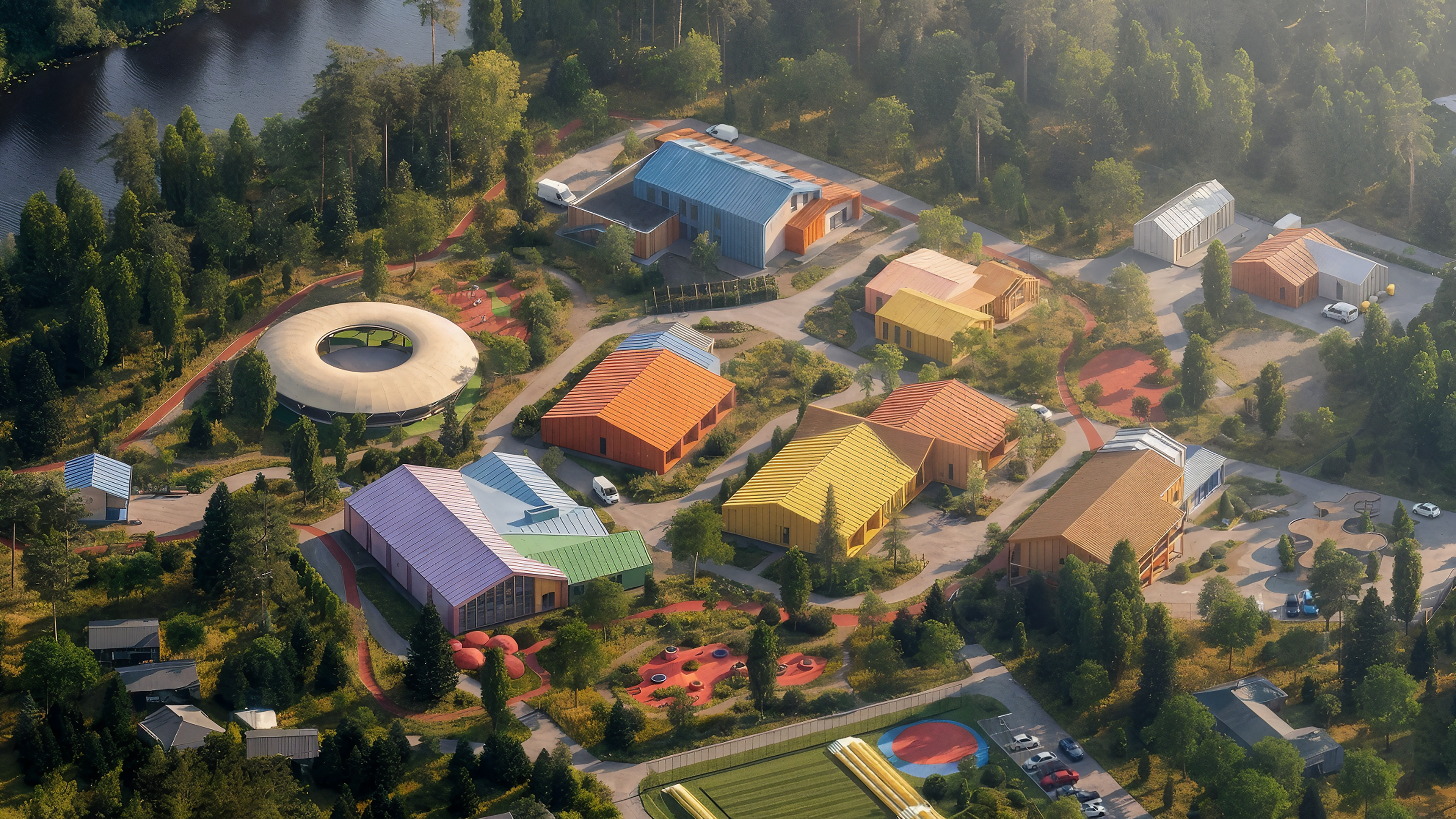
We are building the Childhood Center — the first space of its kind providing long-term psychological rehabilitation for children and parents affected by the war. Set on 3.18 hectares of peaceful natural surroundings, the Center will welcome over 2,000 children and parents every year, with rehabilitation programs lasting up to 21 days.
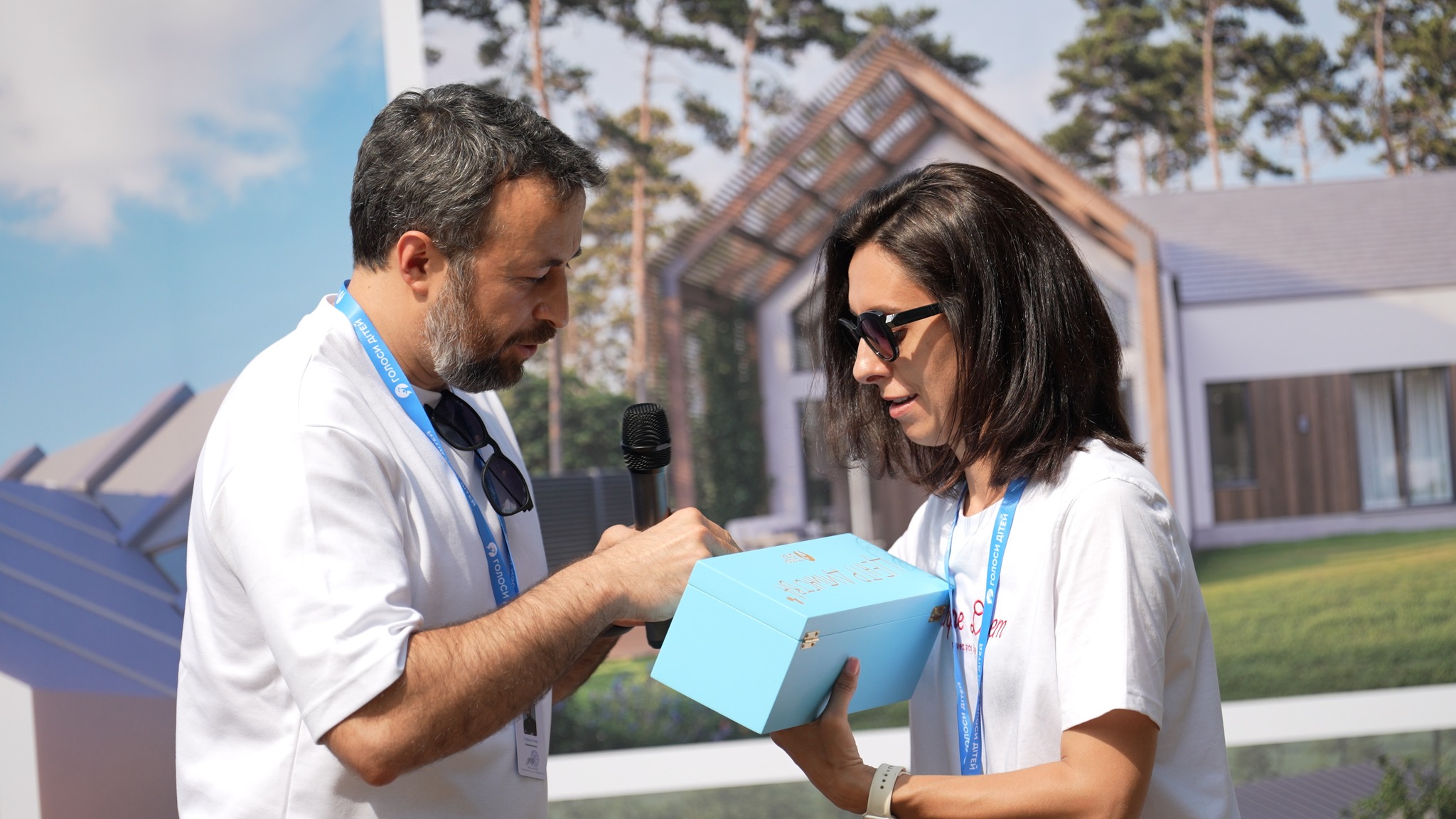
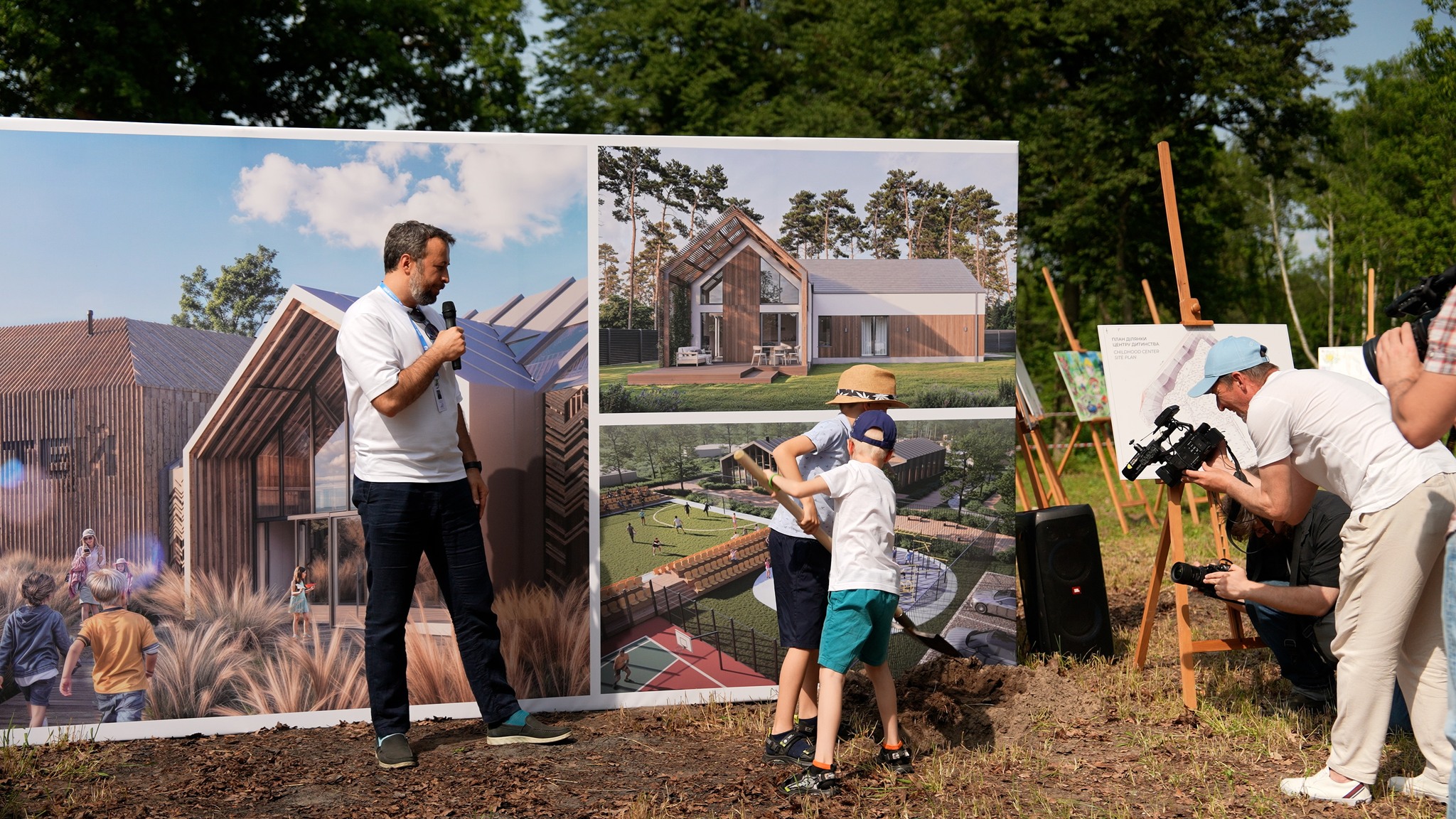
On June 5, 2025, in the village of Dzvinkove, Kyiv region, we symbolically began construction. A time capsule was laid at the site of the Center, filled with wishes for children in the future written by the children themselves, friends, and partners. This is an investment in Ukraine's future through caring for its children.
Our plans include building five residential modules to provide safe, fully equipped accommodation.
The Center is being created for children and their families who have lived through shelling, Russian occupation, the loss of loved ones, deportation, or internal displacement. We also plan to support children experiencing anxiety, PTSD, sleep disorders, or depressive states — "invisible" symptoms that deeply affect a child's learning and behaviour.
The project addresses a critical need for systemic support of Ukrainian families. According to Ukraine's Ministry of Health, with the resources currently available, it would take 55 years to help every child who needs support:
- 4 million children in Ukraine may need psychosocial support.
- 15 million Ukrainians are expected to experience a decline in their mental and emotional well-being.
- 3.3 million children are in humanitarian risk zones.
- 1.2 million have no access to in-person schooling.
A child who has lost loved ones in the war will carry that loss for the rest of their life. They need a system of support that is effective both now and in the years ahead. That is why we are creating dedicated programs for children of different ages, for adolescents, and for mothers with children. We will work with each family individually.
The Center will operate on a three-stage model grounded in a trauma-informed approach and current research in child neuropsychology. First, we help children reconnect with their bodies. Then we help them regain a sense of emotional safety. Finally, we support them in processing their experiences through storytelling and play.
We will combine established and innovative therapeutic practices: body-based therapy, art therapy, play-based methods, VR/AR modeling, and family support. This approach helps reduce symptoms and create lasting improvements in a child's emotional well-being, behaviour, and development. Our results already demonstrate its effectiveness: 85% of children show improvement in their psycho-emotional state.
The Center will include therapy spaces, art and play areas, sensory rooms, and dedicated spaces for family support and professional training. It will be able to host up to 100 children and their parents at a time.
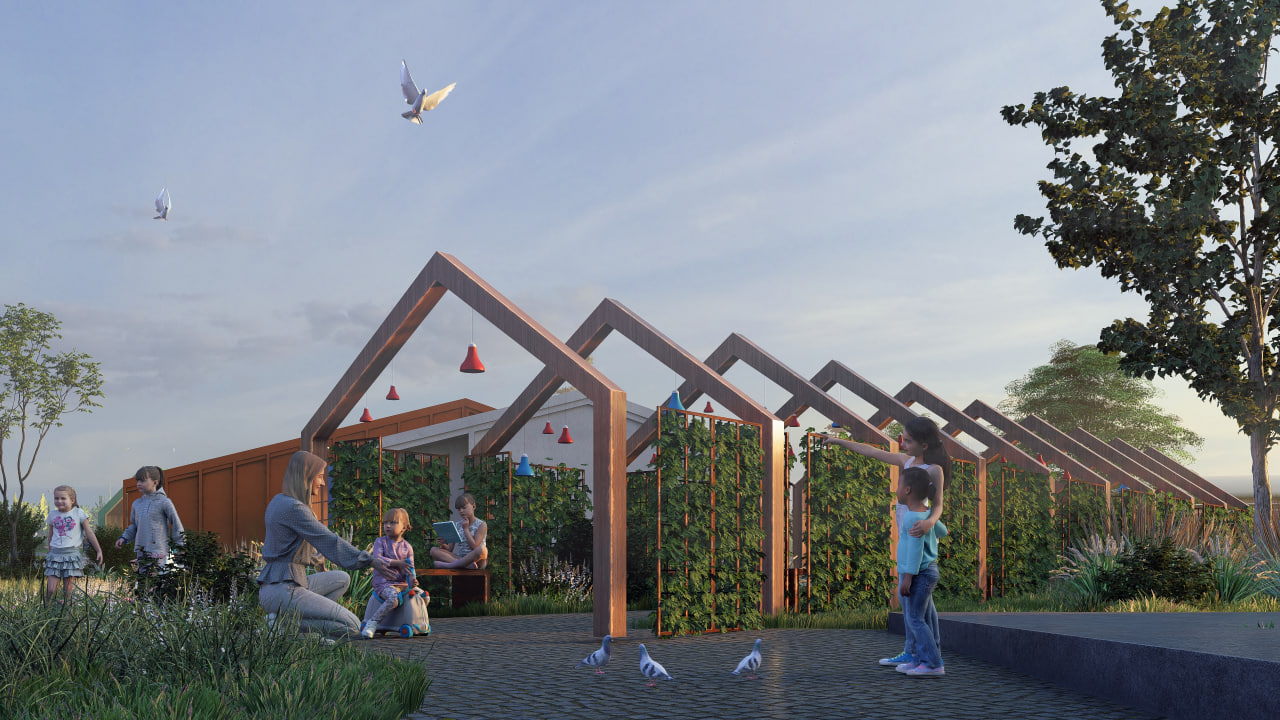
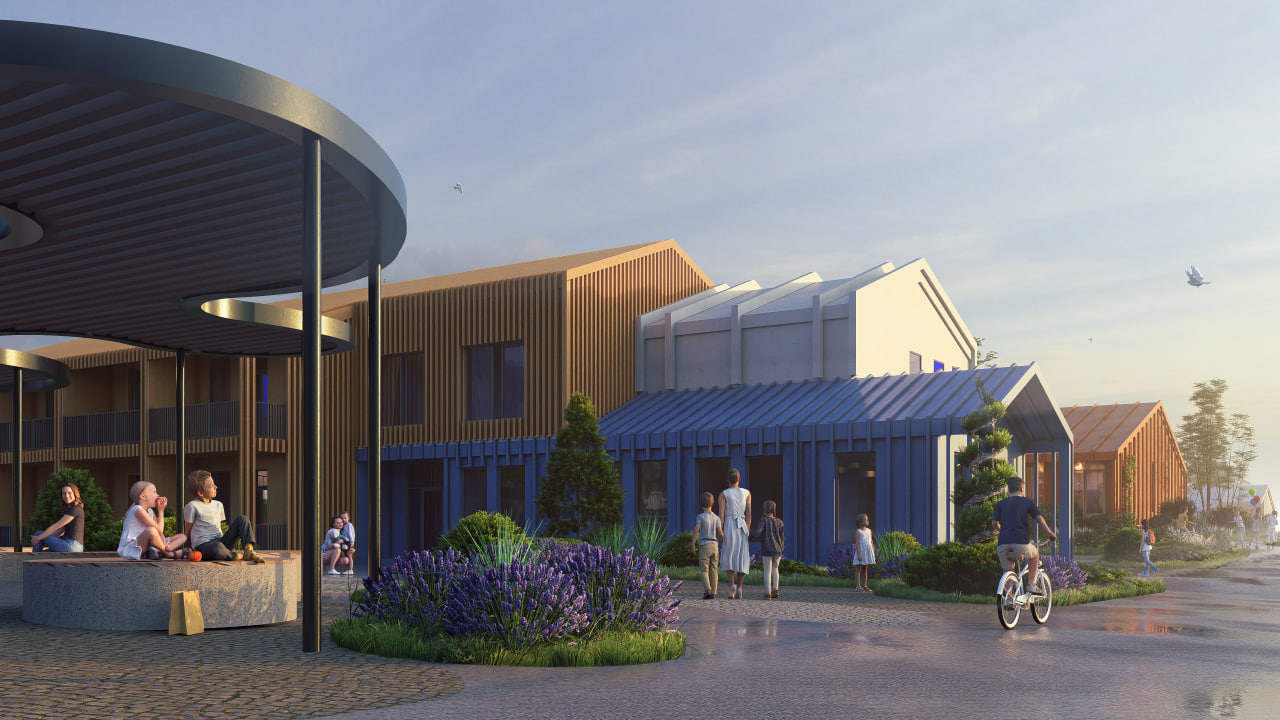
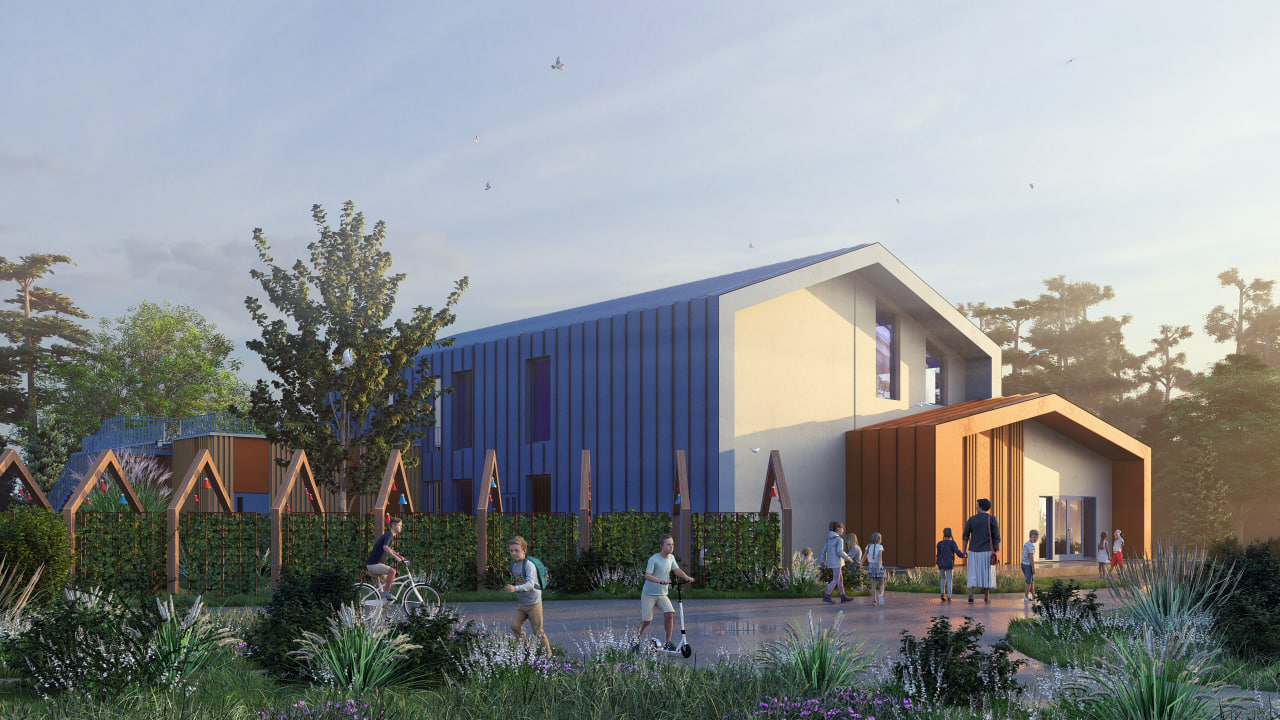
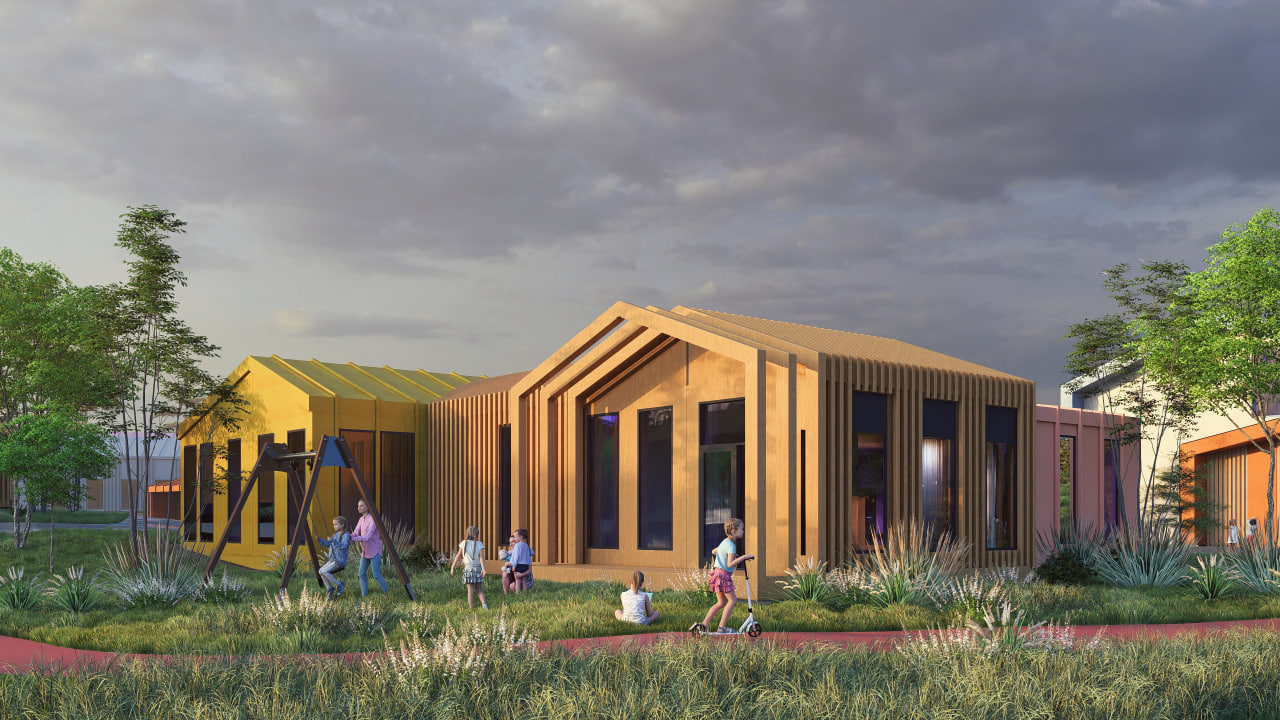
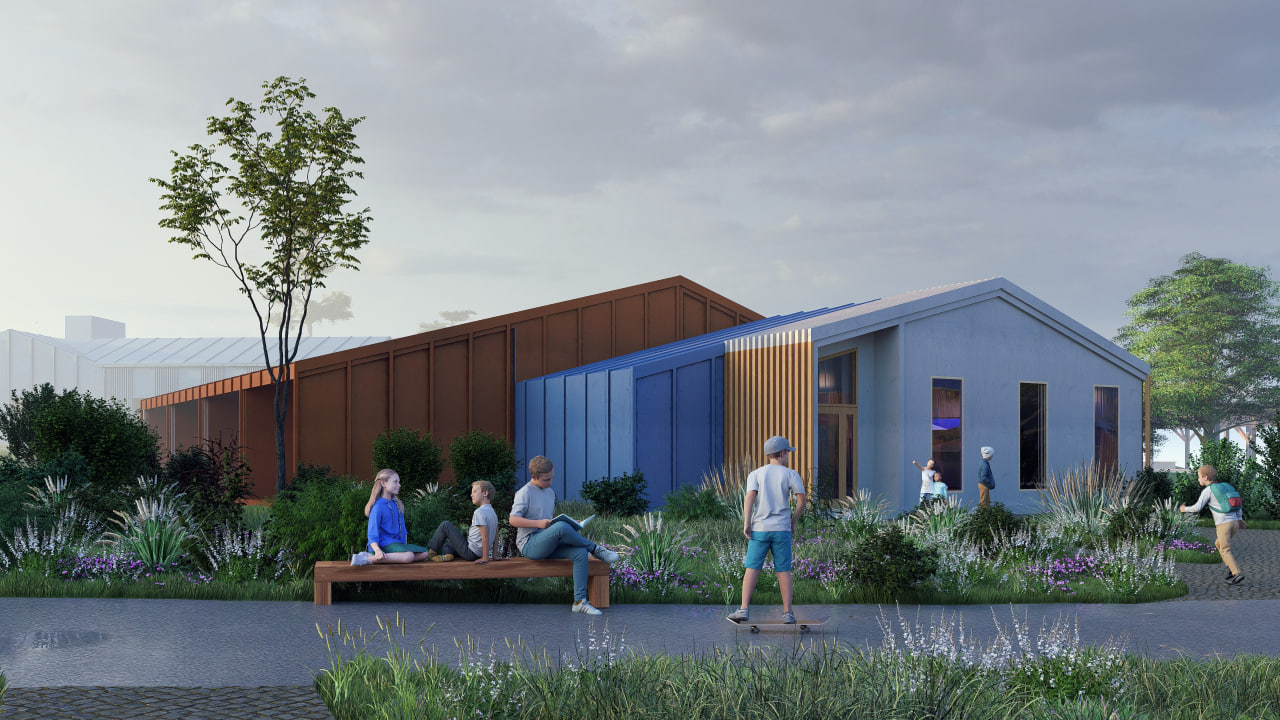
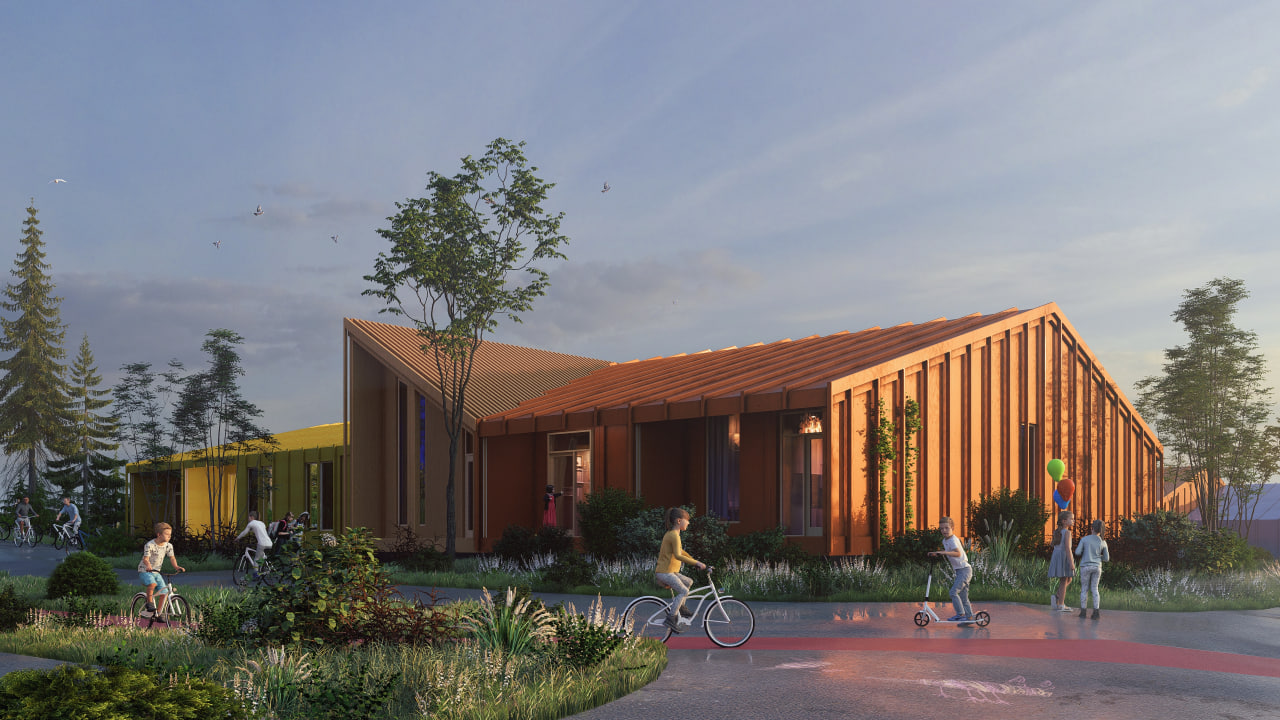
The project was designed by AIMM Group — the studio behind CREATOR CITY, T-TOWER, Central House of Dnipro, the reconstruction of the Zhovten cinema, and other large-scale residential, commercial, and educational projects.
The Childhood Center is a child's right to a future.
Read more about the groundbreaking event in coverage by Suspilne and Hromadske. Follow the construction process on the Center's pages: Instagram | Facebook.