Author:

Yuliia Didenko
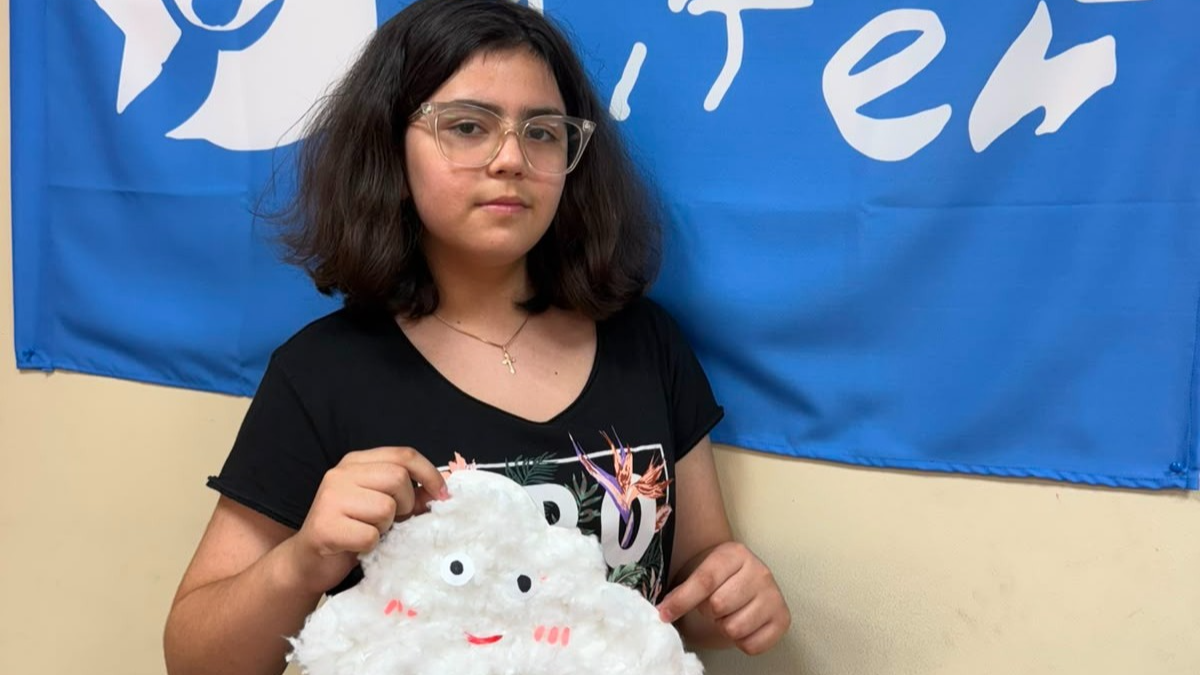
The group at the foundation’s centre in Mykolaiv was already wrapping up when one of the girls asked if she could stay a little longer — she wanted to draw. The administrator came over to have a look at her work and saw a sad kitten, with two open hands above it bearing the words “Good Hands” and the Voices of Children logo. The drawing had a story of its own: a kitten just like this one lives in the entrance hall of the girl’s block of flats, and she and her mum feed it and keep it warm as best they can. The administrator asked whose hands they were in the drawing.
“Why, they’re your hands. Your foundation’s hands. You help everyone, so that means there are good people,”
The scale of this support is best illustrated by the figures. In July, we supported 665 children and 112 adults. Our psychologists conducted 983 individual psychological sessions for children and adults, 100 group psychological support sessions and 421 psychosocial groups for children and families. Case managers provided consultations for 371 people who came to us for help with applying for benefits, obtaining documents and so on. There were also 408 consultations as part of our online support service.
Psychological groups for children and teenagers: the magical world of emotions
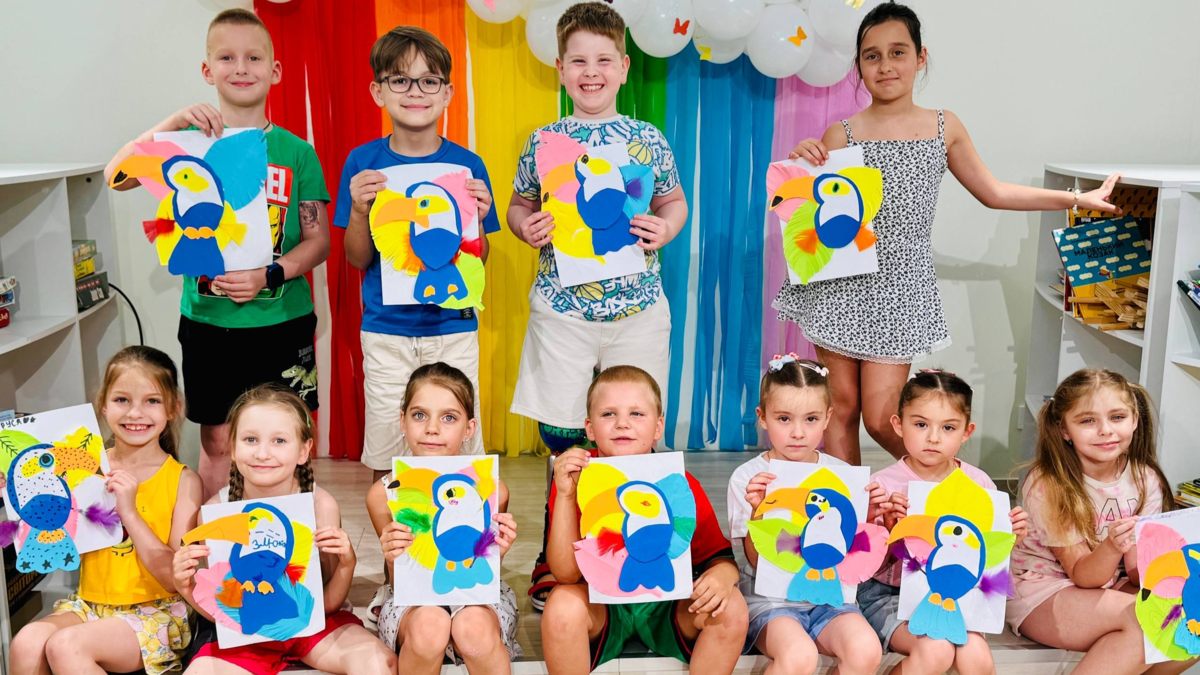
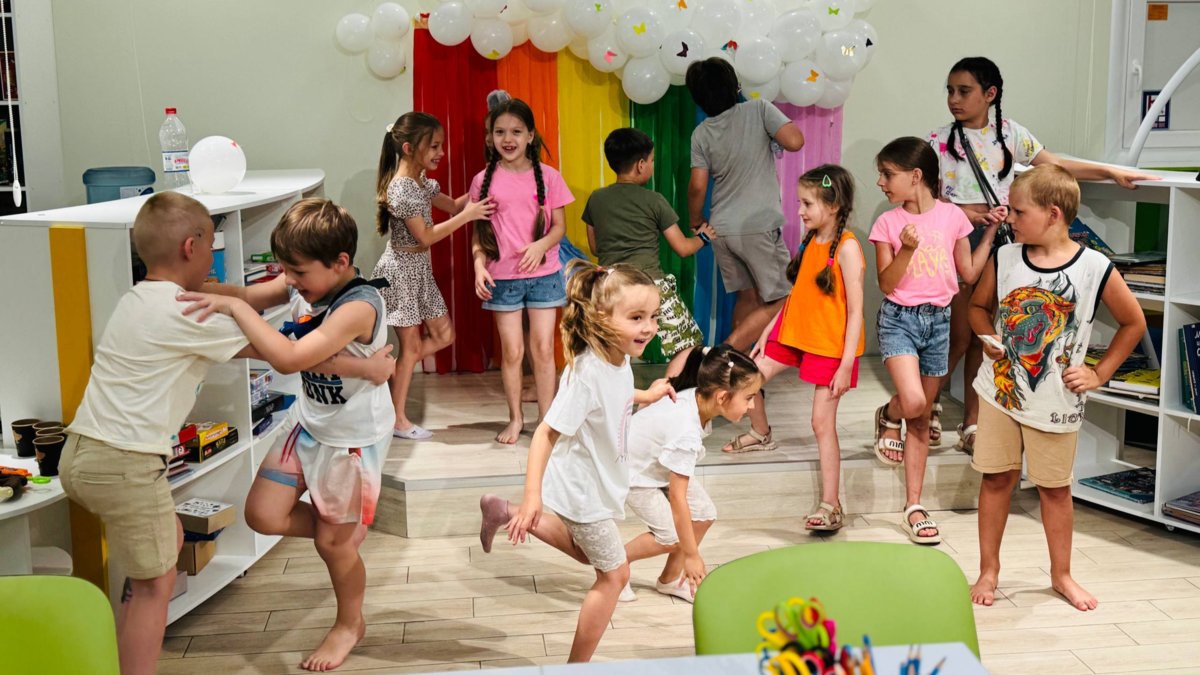
In July, children at all our centres discovered something new about themselves. In Mykolaiv, young participants explored their own superpower, learned how to make friends and listen to one another. In Lviv, Truskavets and Kharkiv, teenagers took part in the “Time for an Upgrade” programme: they talked about what makes each of them unique, learned how to cope with stress and, during some sessions, how to find common ground with their peers. The youngest participants, meanwhile, took their first look into the “Magical World of Emotions” at kindergartens and learned that every feeling has a name. The mother of one of the participants in Kharkiv shared how her son had changed after attending sessions with a psychologist.
“Kyrylo looks forward to every session. He has become calmer and more even-tempered, and he is better at controlling his emotions, which is very important at his age given the times we’re living in,”
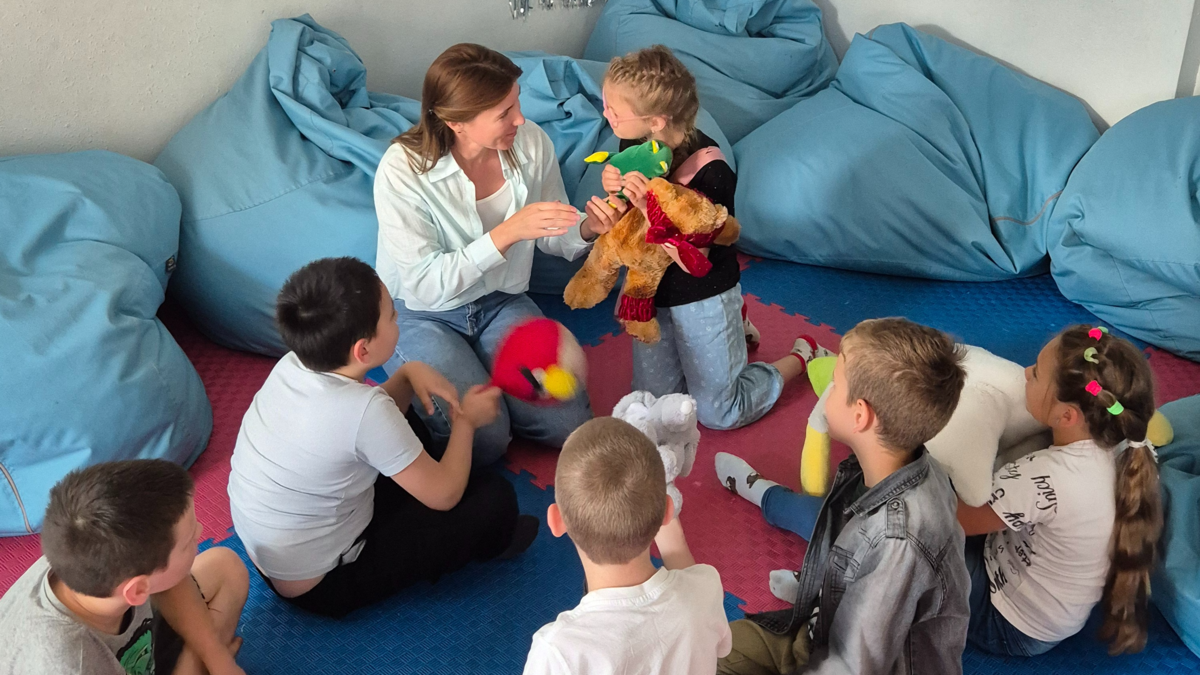
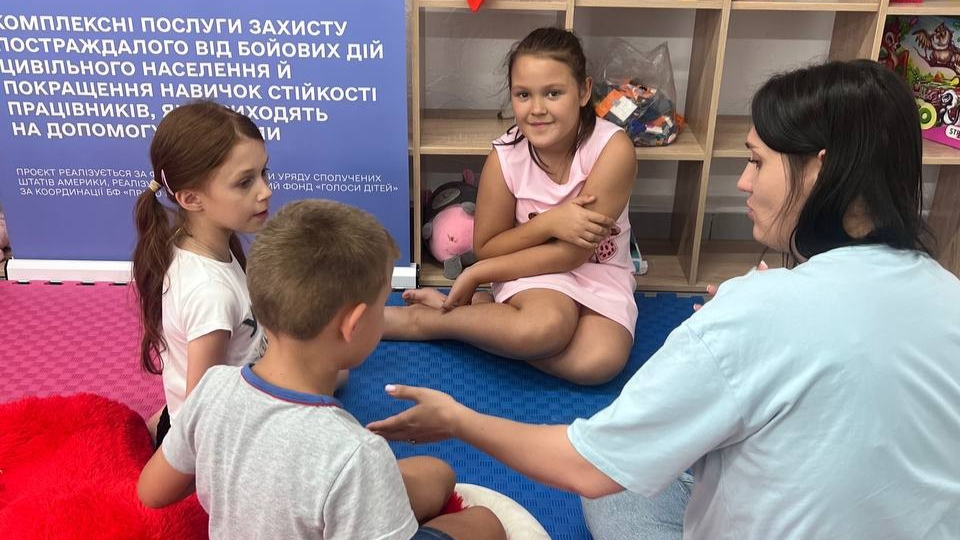
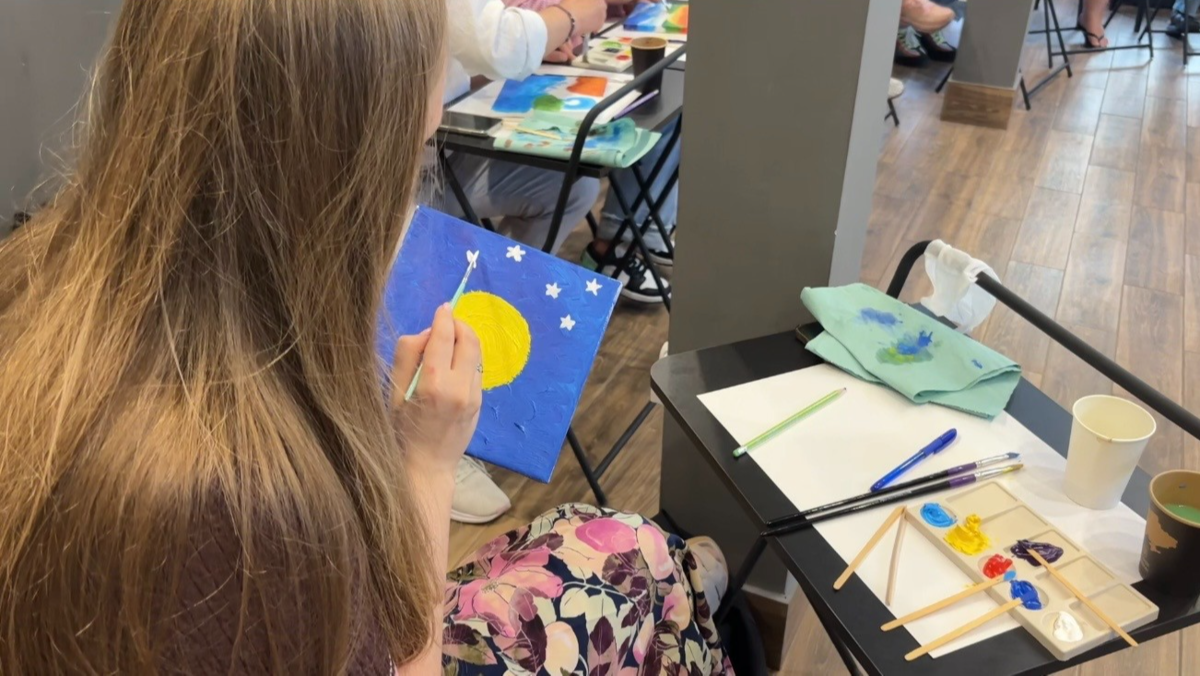
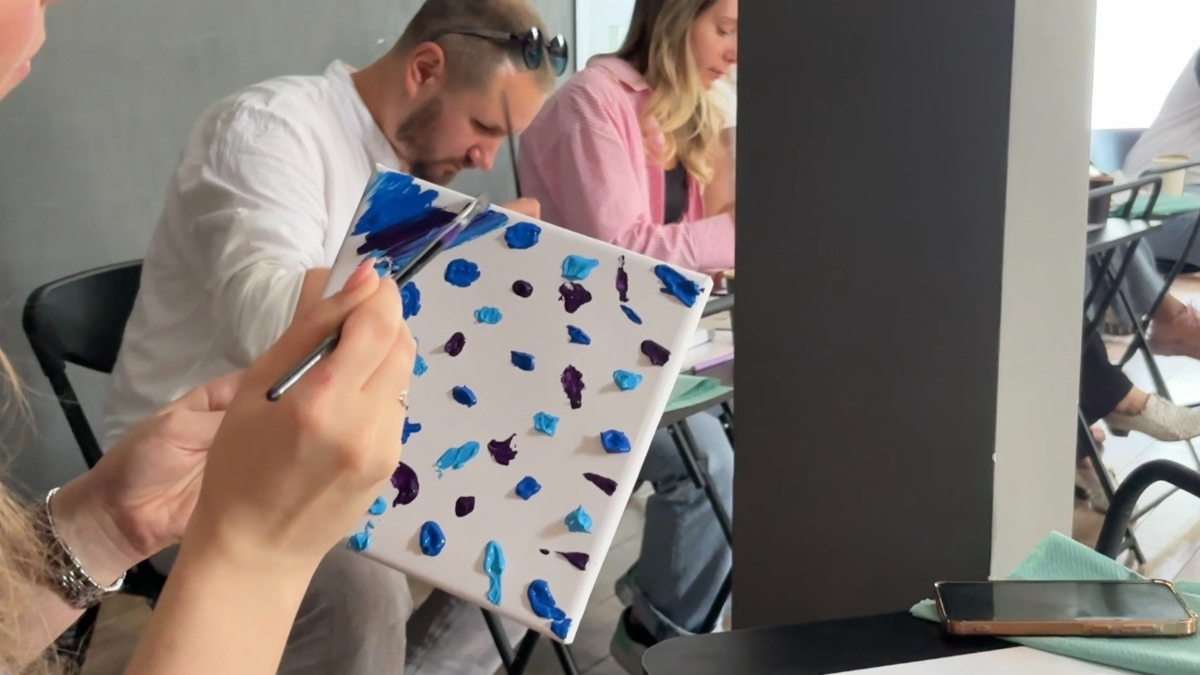
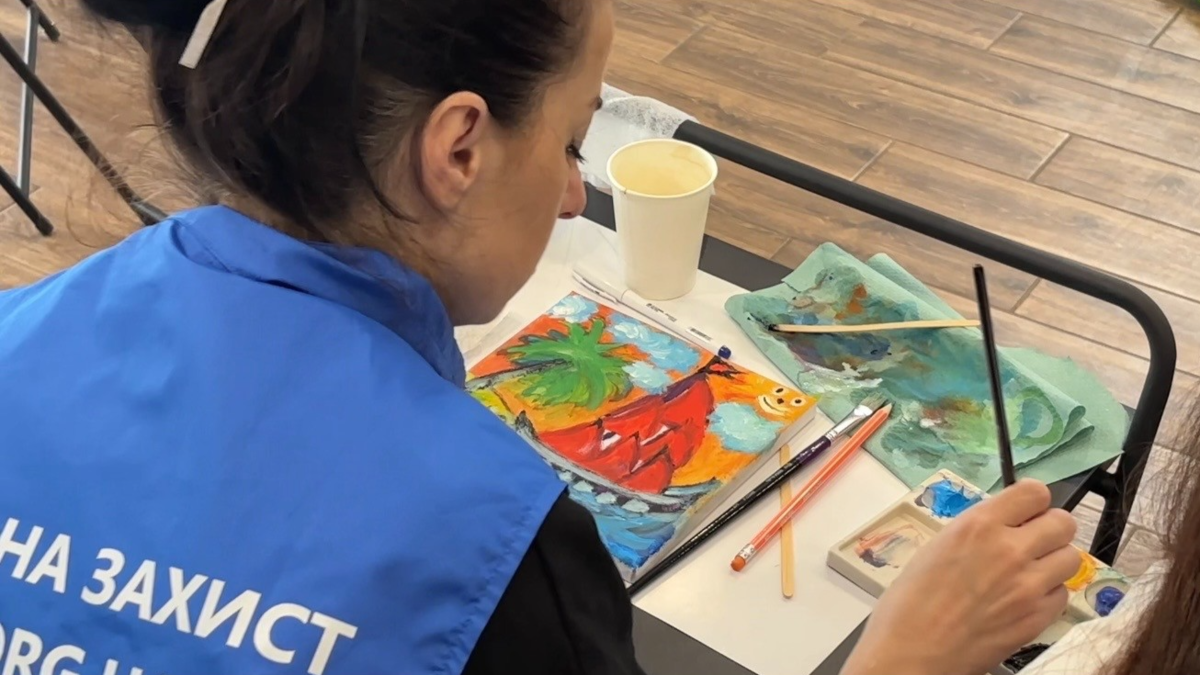
Adults also had their own space to recharge. In Kharkiv, parents attended psychosocial sessions, while in Kryvyi Rih they gathered for a parents’ club, where psychologists held four separate sessions for them. In Truskavets, women picked up brushes and paints for intuitive painting sessions, while in Chernihiv, at the Khotiyivka Village Council, they worked with psychologists to seek an answer to a difficult question — how to support both themselves and their children during the war. At the Kherson hub, where the Mykolaiv team works, adults found their own “anchor point” and learned how to move from a state of stress to one of calm.
Anastasiia from Lviv also made use of this support. She sought free psychological assistance — a programme of ten consultations for children, teenagers and parents — during a difficult period when her anxiety would sometimes escalate into panic attacks.
Anastasiia from Lviv also made use of this support. She sought free psychological assistance — a programme of ten consultations for children, teenagers and parents — during a difficult period when her anxiety would sometimes escalate into panic attacks.
“Our sessions helped me understand my own resources and taught me to take better care of myself, my needs and my emotional wellbeing. Sometimes, a helping hand offered at just the right moment can change so much,”
Creative activities for children: creating their own island of hope
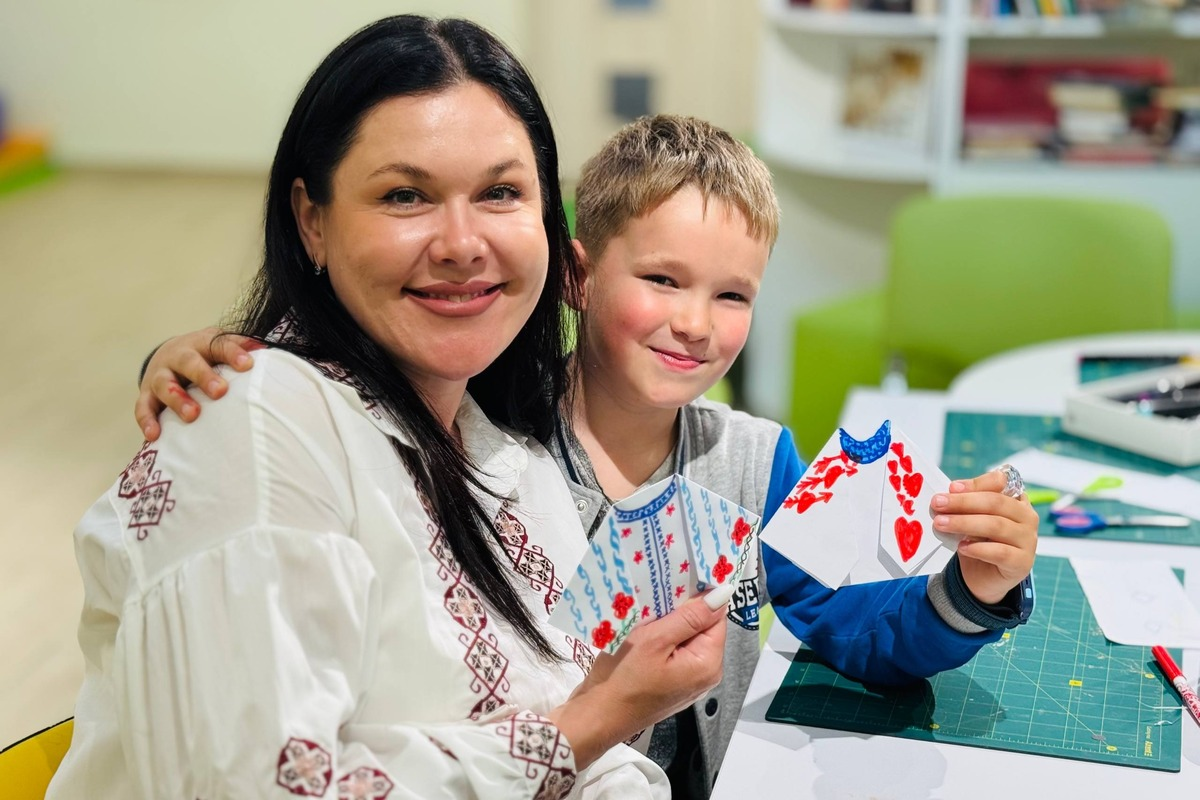
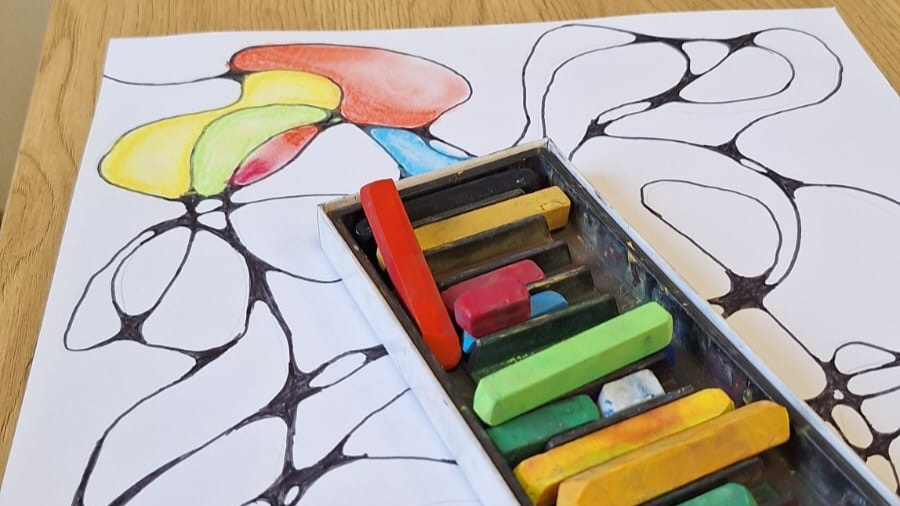
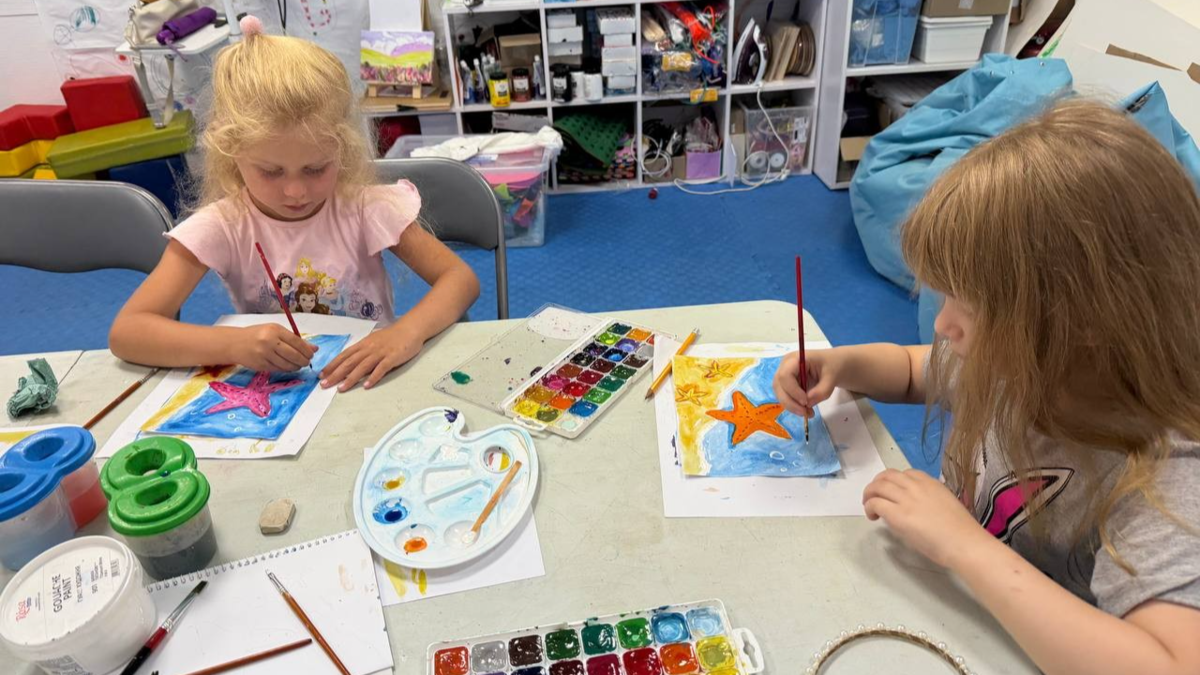
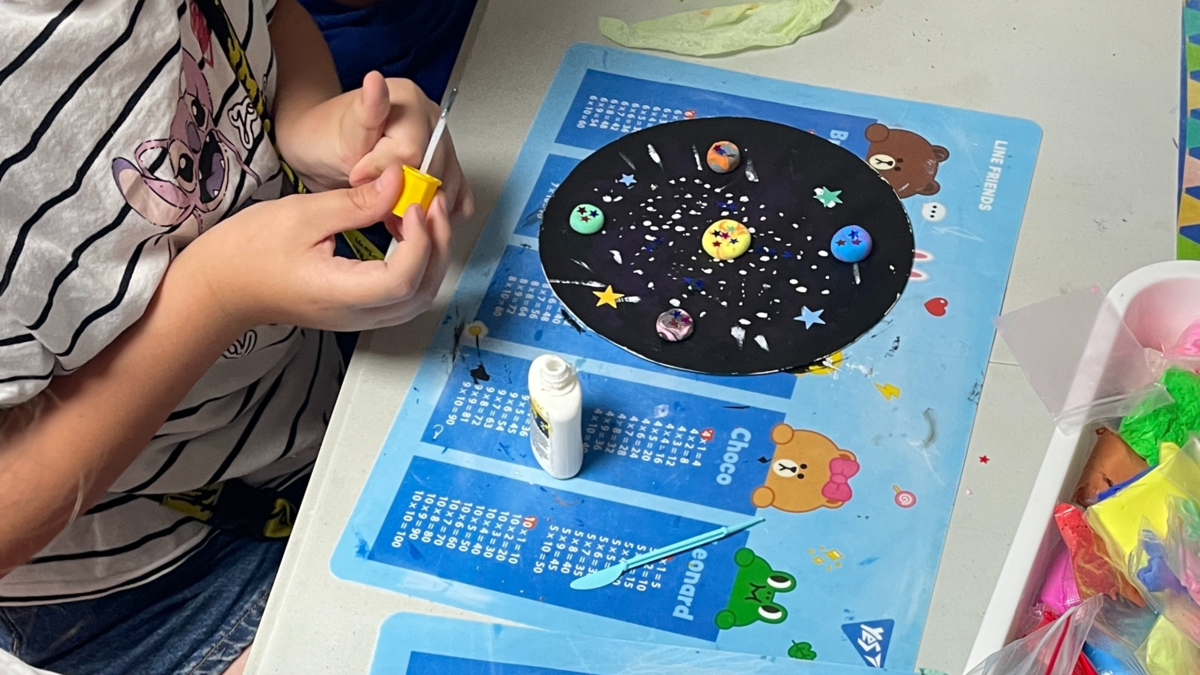
Imagine a map of a place that appears in no atlas. That is exactly what children in Truskavets drew and modelled during the “Fantastic Archipelago” session — inventing islands, giving them names and populating them with wonderful inhabitants, each with a story of their own. During the “Purr-fect Cats” session, they made cheerful paper cats and played “Blind Drawing”. The children also discovered the art of stained glass: using pastels, they created a bright composition that glowed like real coloured glass.
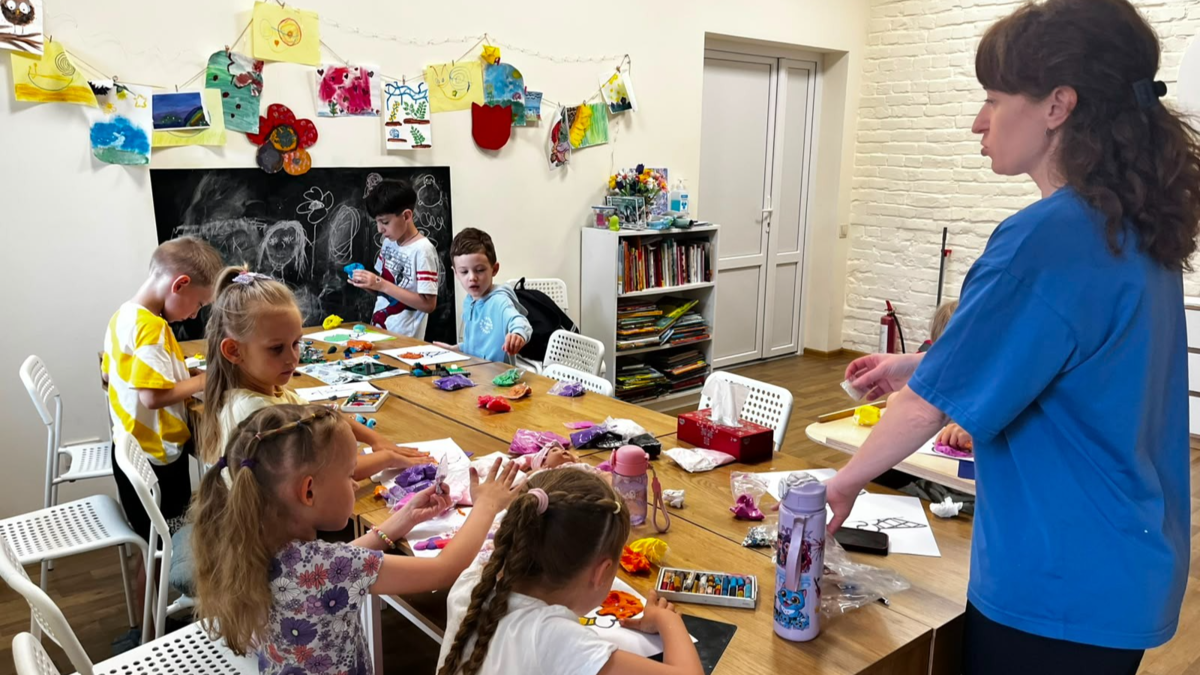
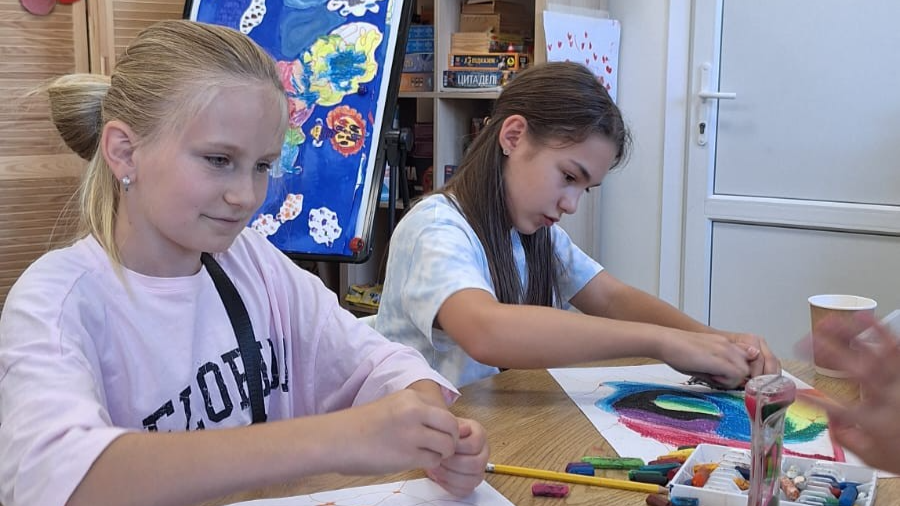
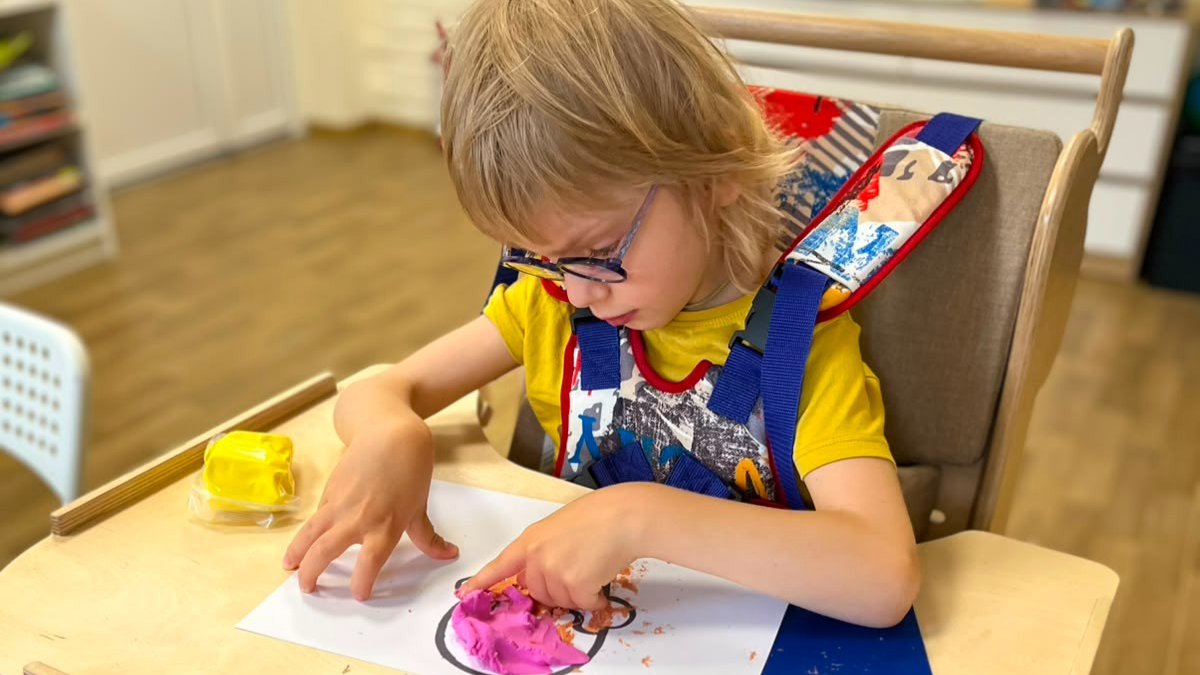
In Mykolaiv, creative clubs opened their doors to different age groups: at the “Theatre Workshop”, children took to the stage for the first time and tried on other people’s roles, while at the “Laboratory of Magical Deeds”, they created real wonders with their own hands. In Chernihiv, everyone took a closer look at their own name — the word that sets them apart from everyone else. In Kropyvnytskyi, during “Play Space”, participants divided into teams, completed challenges together, cheered one another on and, at the end of the event, watched the animated film “Inside Out” together.
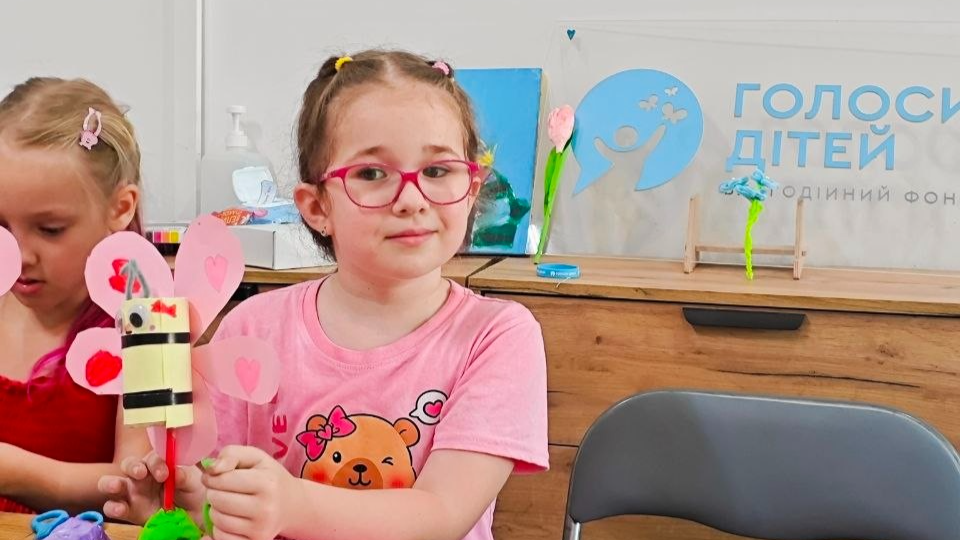
“You’re absolutely brilliant! Working with children requires a great deal of attention and care. You’re doing incredibly important work, and you’re doing it wonderfully well,”
Mobile teams in communities and partner events
Summer is the season for outreach intensives and camps, so in July our teams spent a great deal of time working in local communities. Specialists from Kropyvnytskyi visited the village of Rivne in Novoukrainka District for the first time and held a summer intensive called “Colours of Summer”. Kryvyi Rih and the surrounding area were also filled with bright colours: an outreach camp was held in the Novopil community, while psychologists worked with families in the Sofiivka community.
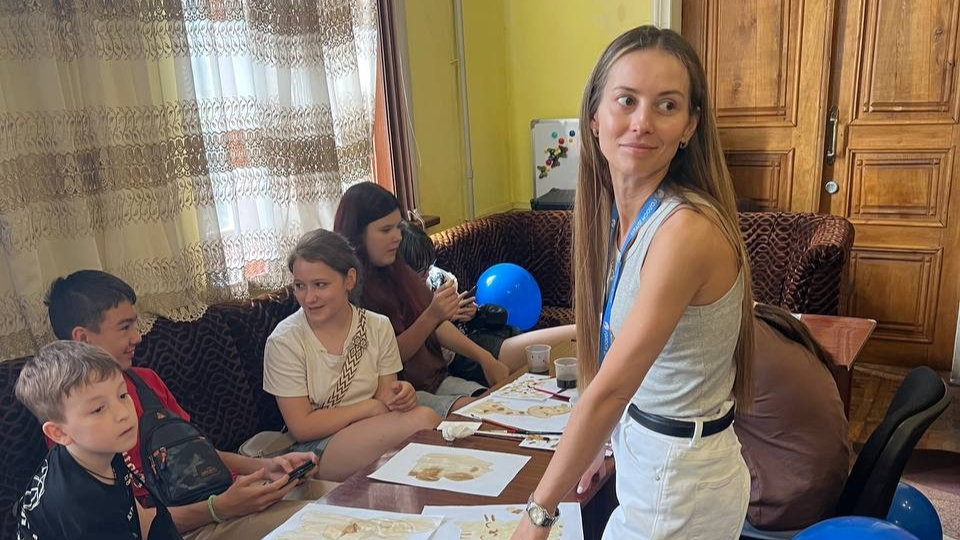
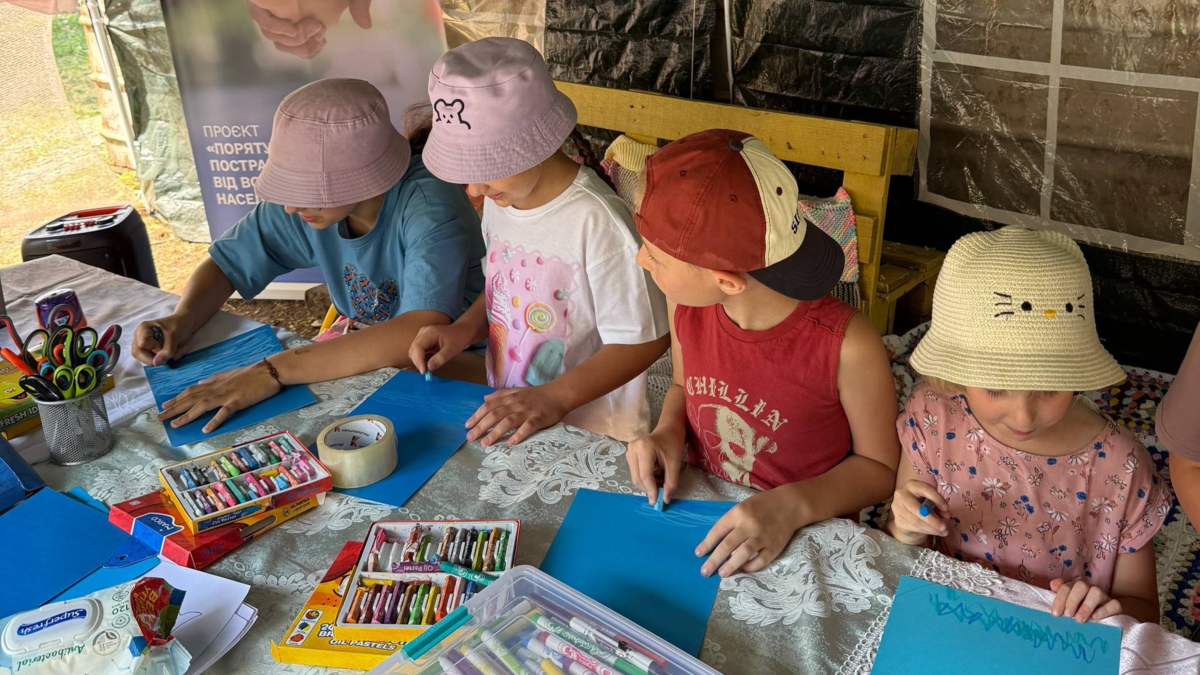
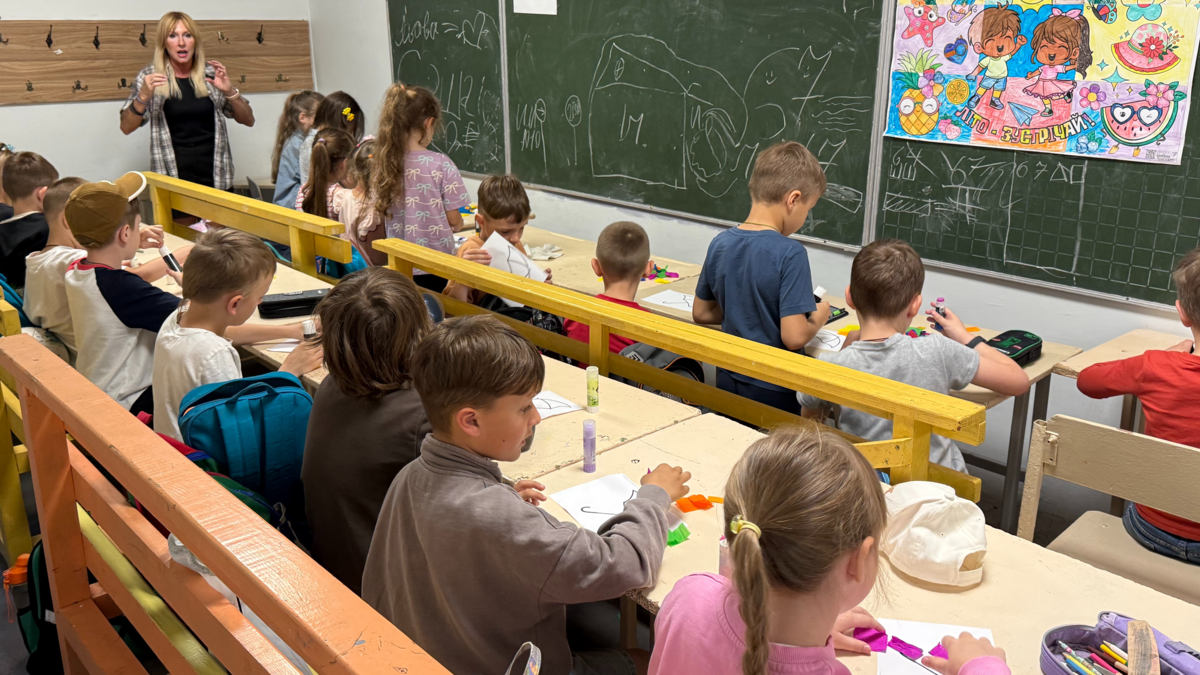
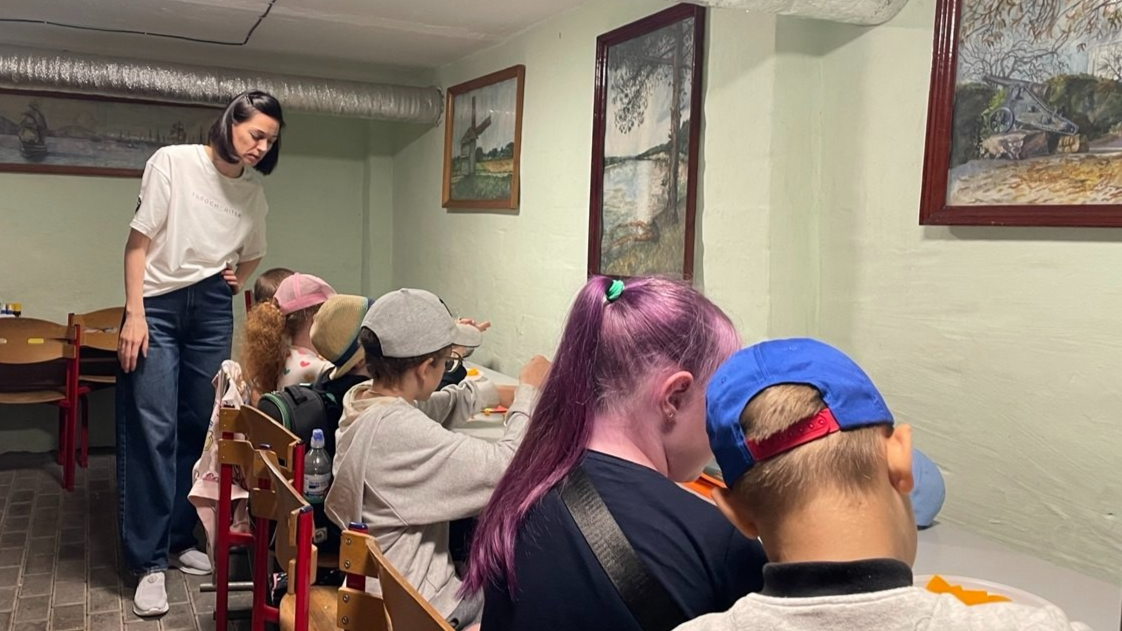
Mykolaiv specialists held a one-day intensive in the village of Kotliareve. In Mykolaiv, the team also worked with the M. L. Kropyvnytskyi Central City Library, where storytelling sessions, family film clubs and activities for children have traditionally been held. Film clubs for children and teenagers were also organised at the Toy Museum. Together with the Vykhid Charitable Foundation, young participants also went on a museum tour and took part in the creative “Welcoming Little Bees” session.
The Truskavets team made four trips outside the regional centre — to the International Clinic of Rehabilitation Treatment (Kozyavkin Clinic), where they held the “Colourful Childhood” session, and to the Krystal Sanatorium, where children immersed themselves in the “World of the Sea” and made a “Hope Anchor”. Specialists from Kropyvnytskyi painted with coffee together with children at the Kirovohrad Regional Library for Youth named after Yevhen Malaniuk, and also held a “Plasticine Art” session at the YaMariupol (I Am Mariupol) space.
The Truskavets team made four trips outside the regional centre — to the International Clinic of Rehabilitation Treatment (Kozyavkin Clinic), where they held the “Colourful Childhood” session, and to the Krystal Sanatorium, where children immersed themselves in the “World of the Sea” and made a “Hope Anchor”. Specialists from Kropyvnytskyi painted with coffee together with children at the Kirovohrad Regional Library for Youth named after Yevhen Malaniuk, and also held a “Plasticine Art” session at the YaMariupol (I Am Mariupol) space.
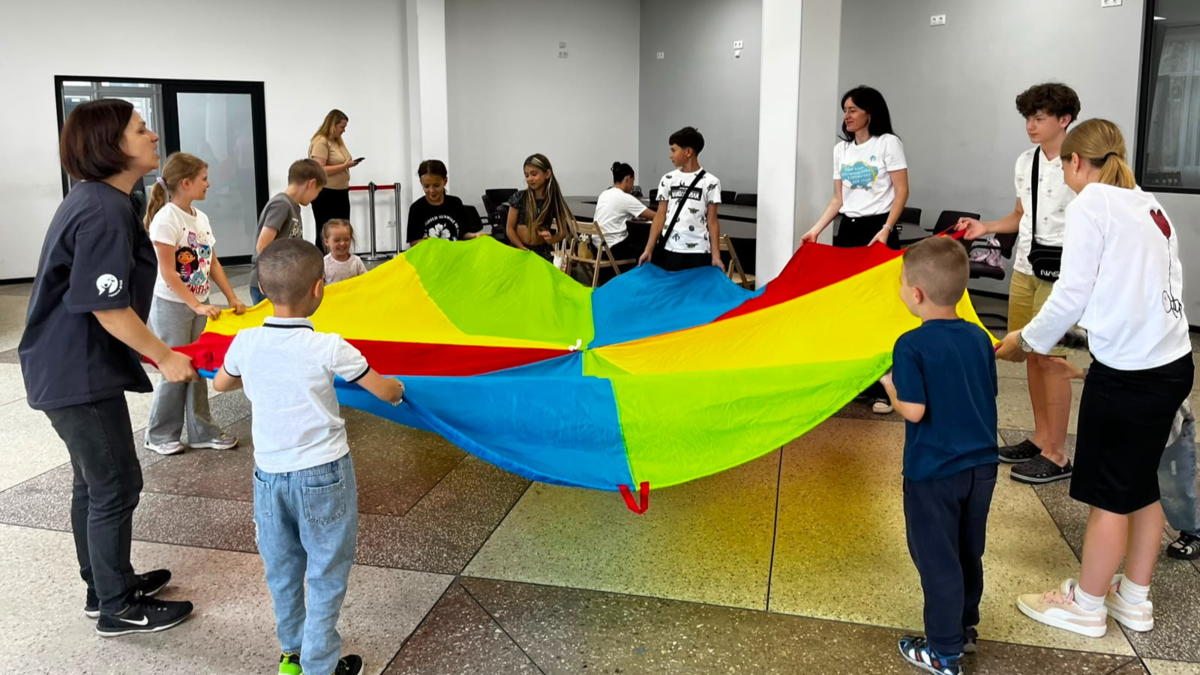
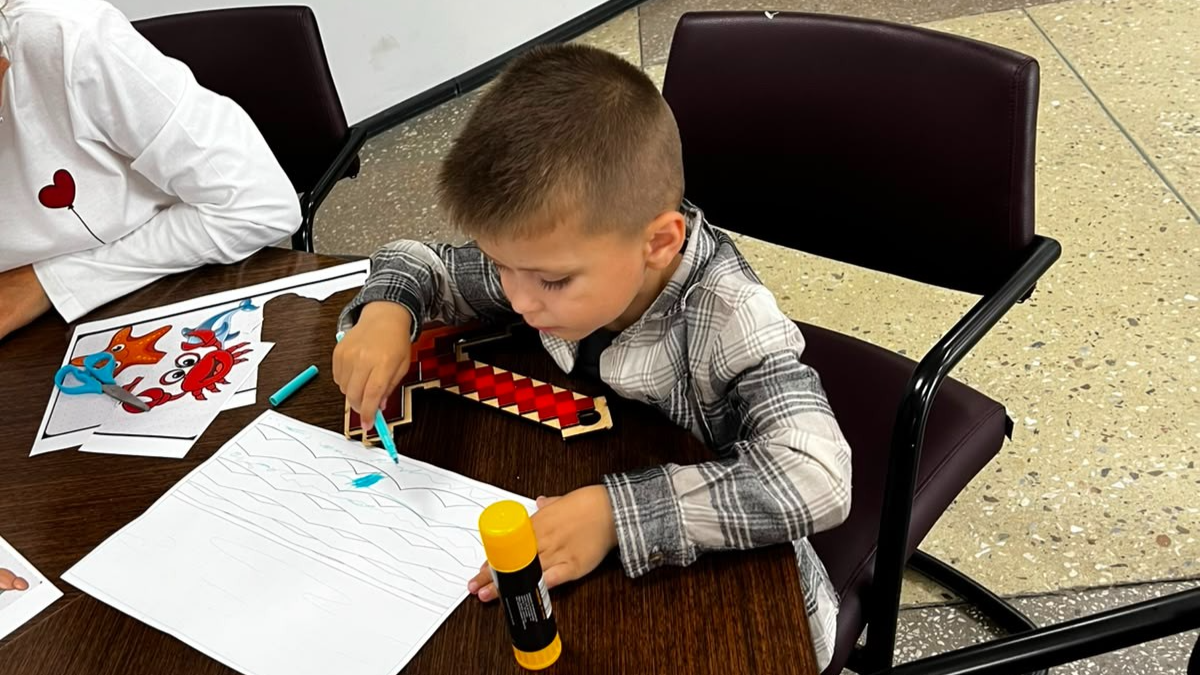
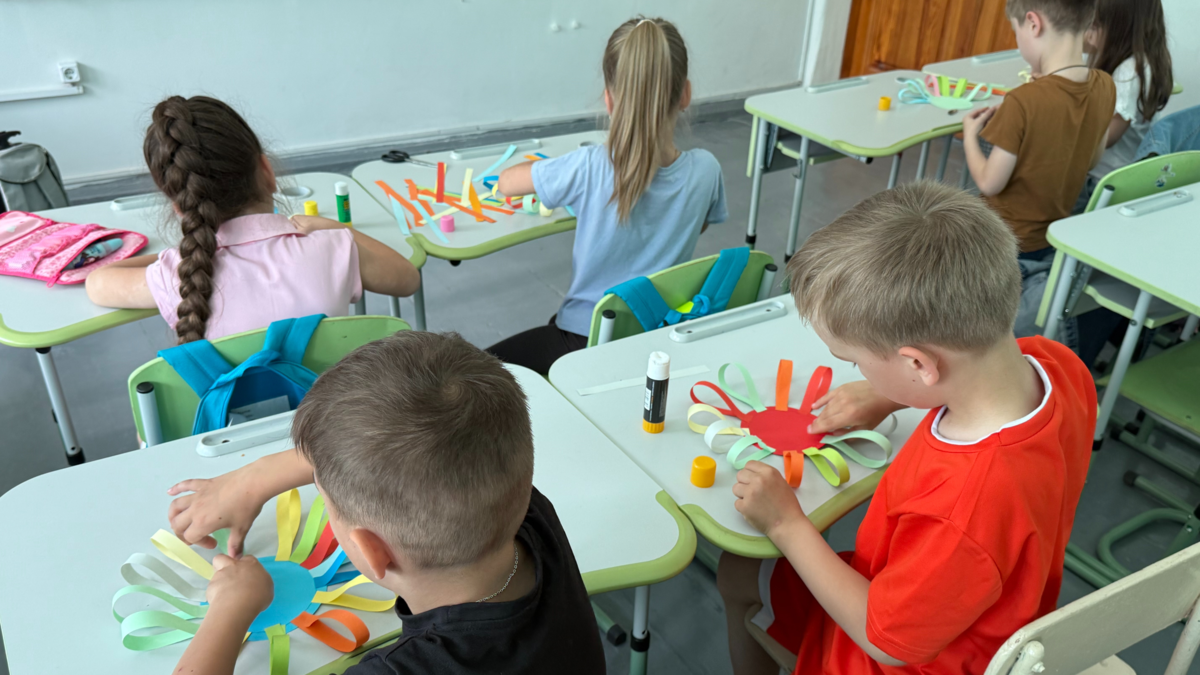
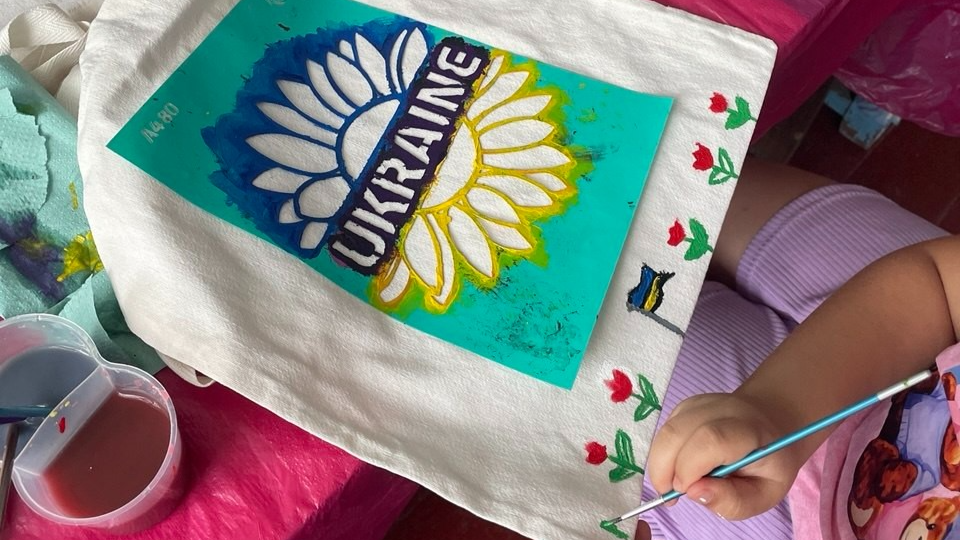
The Chernihiv team made the most outreach visits. In various combinations — psychologists, a speech therapist, case managers and psychosocial support specialists — they visited four villages: Savynky, Khotiyivka and Oleksandrivka in the Koriukivka community, as well as Novoselivka in the Kyselivka community.
Training and team development
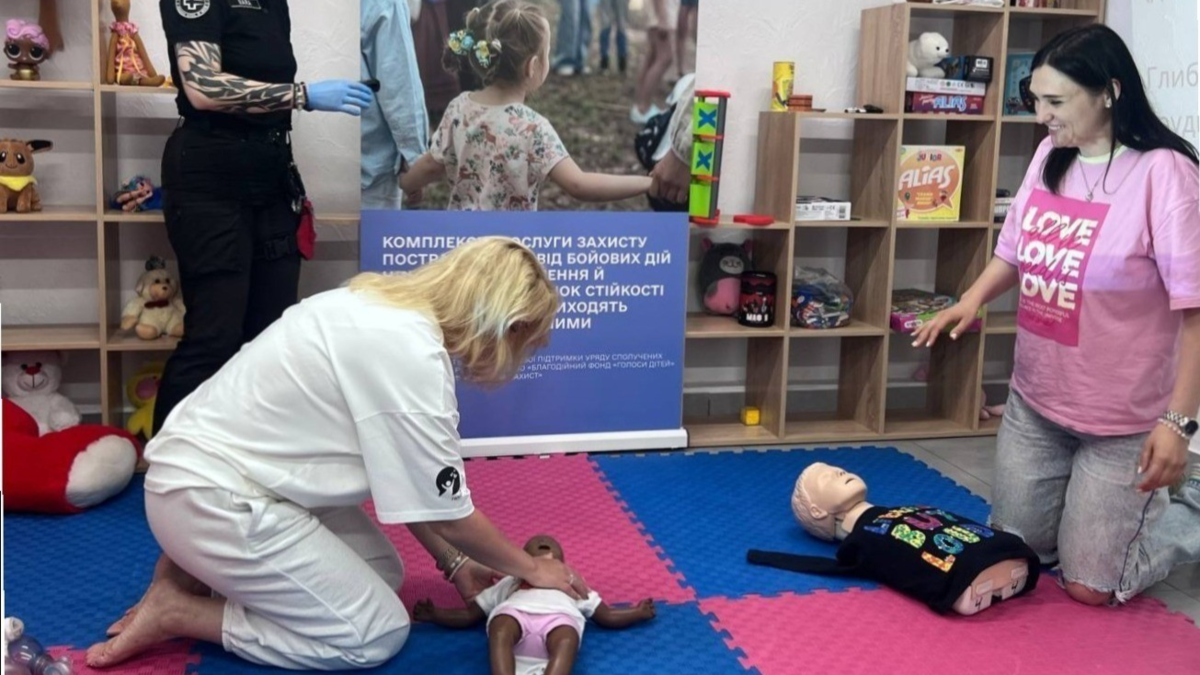
In Kropyvnytskyi, specialists completed the “Basic First Aid for Children” training provided by the Ukrainian Rescue School and received certificates. Case managers from Chernihiv took part in a training session organised by the Right to Protection Foundation on a methodology for peer-support groups for parents and guardians. Meanwhile, Chernihiv psychologists, as part of a consortium partner meeting, held a restorative session for field workers and team leaders. After all, you can only support others every day when you have the strength to support yourself.
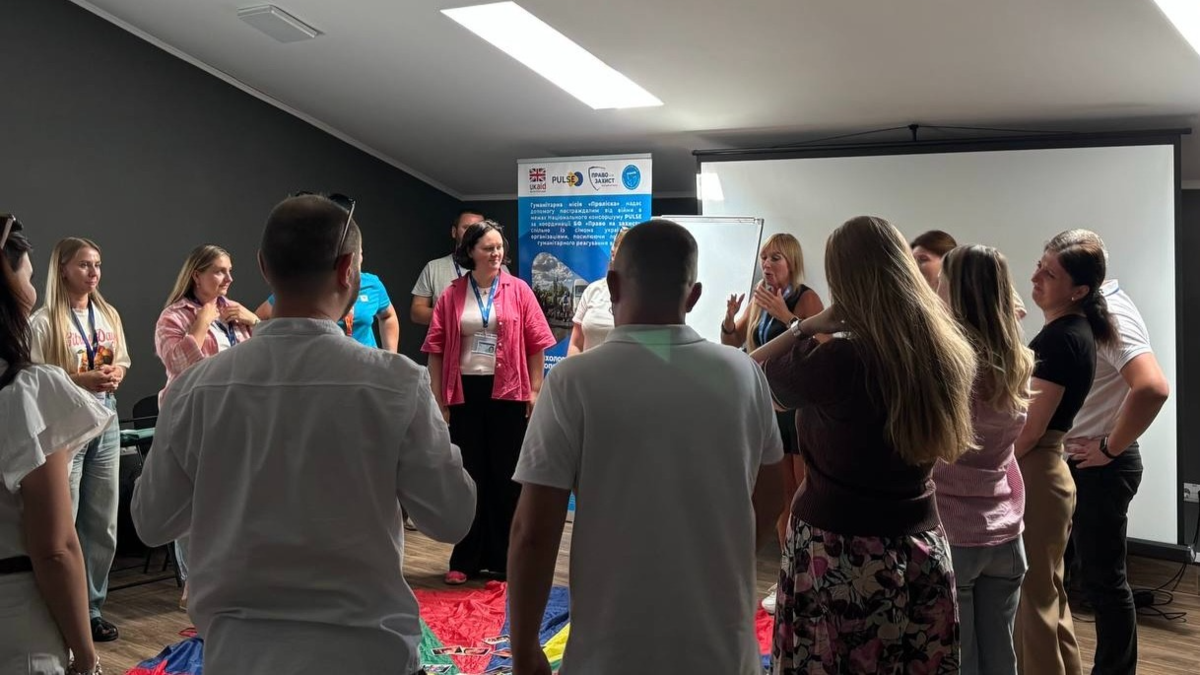
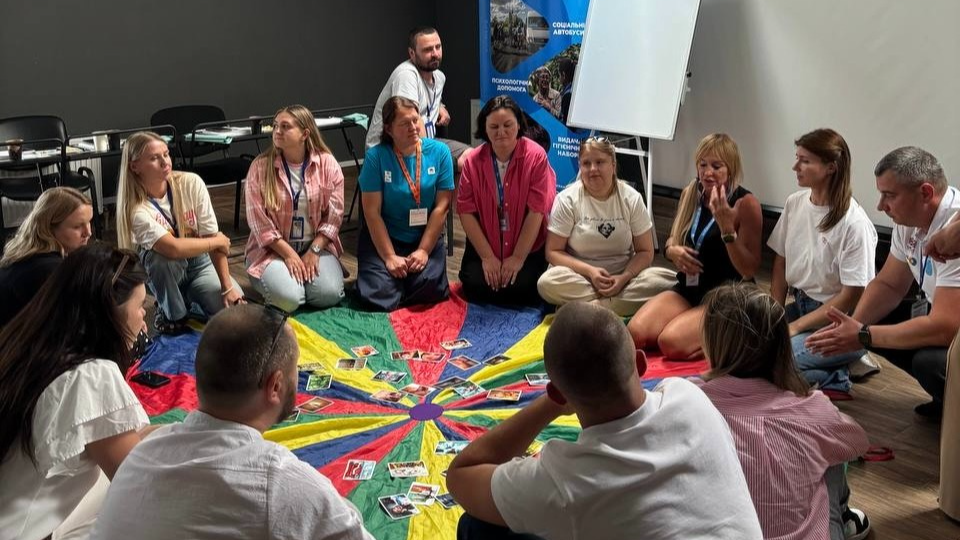
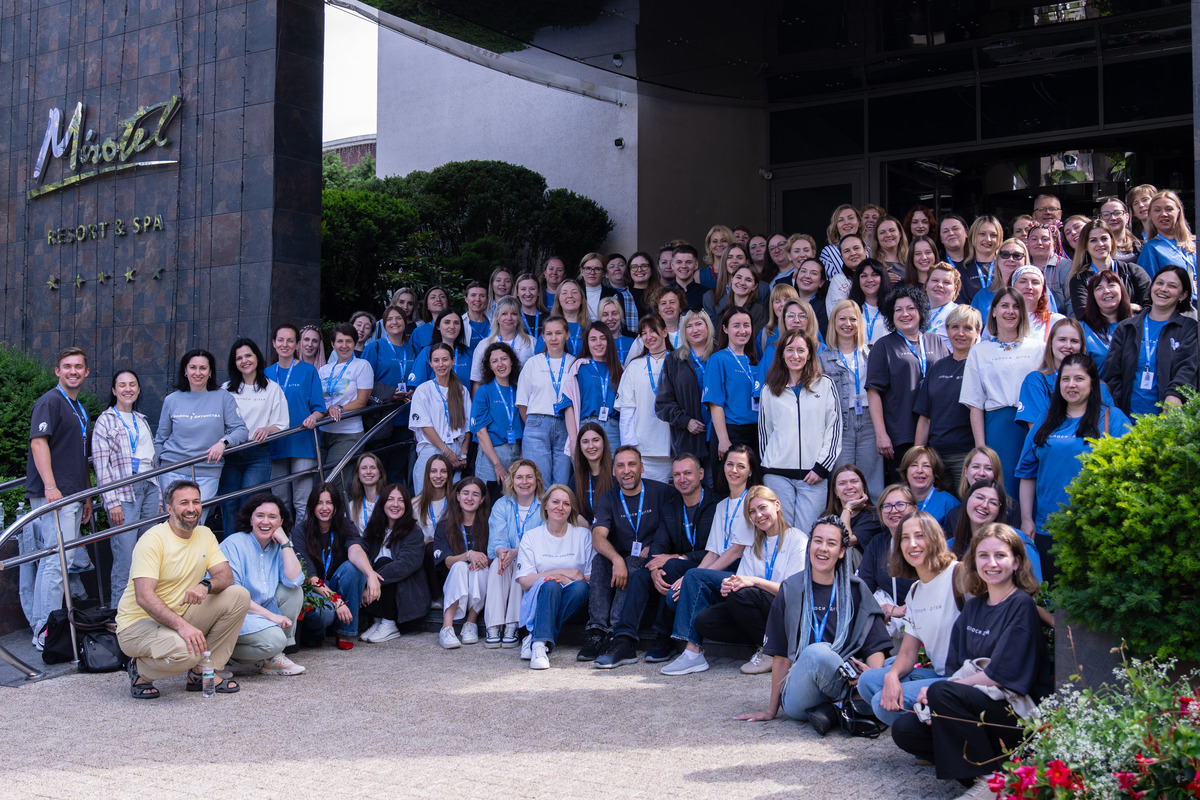
Once a year, Truskavets welcomes specialists from all the regional centres of Voices of Children. Teams of psychologists from the centres and online support line, case managers, psychosocial support specialists, speech therapists, coordinators, administrators and mobile-team drivers came together. For many, the hardest challenge was the silence: people from frontline regions have spent years falling asleep to the hum of air-raid sirens and the sounds of air defence systems, and when that background suddenly disappeared, their bodies did not know how to respond. Some could not fall asleep, while on the first morning, a specialist from Zaporizhzhia spent several minutes in a panic trying to work out where she was and what had happened during the night.
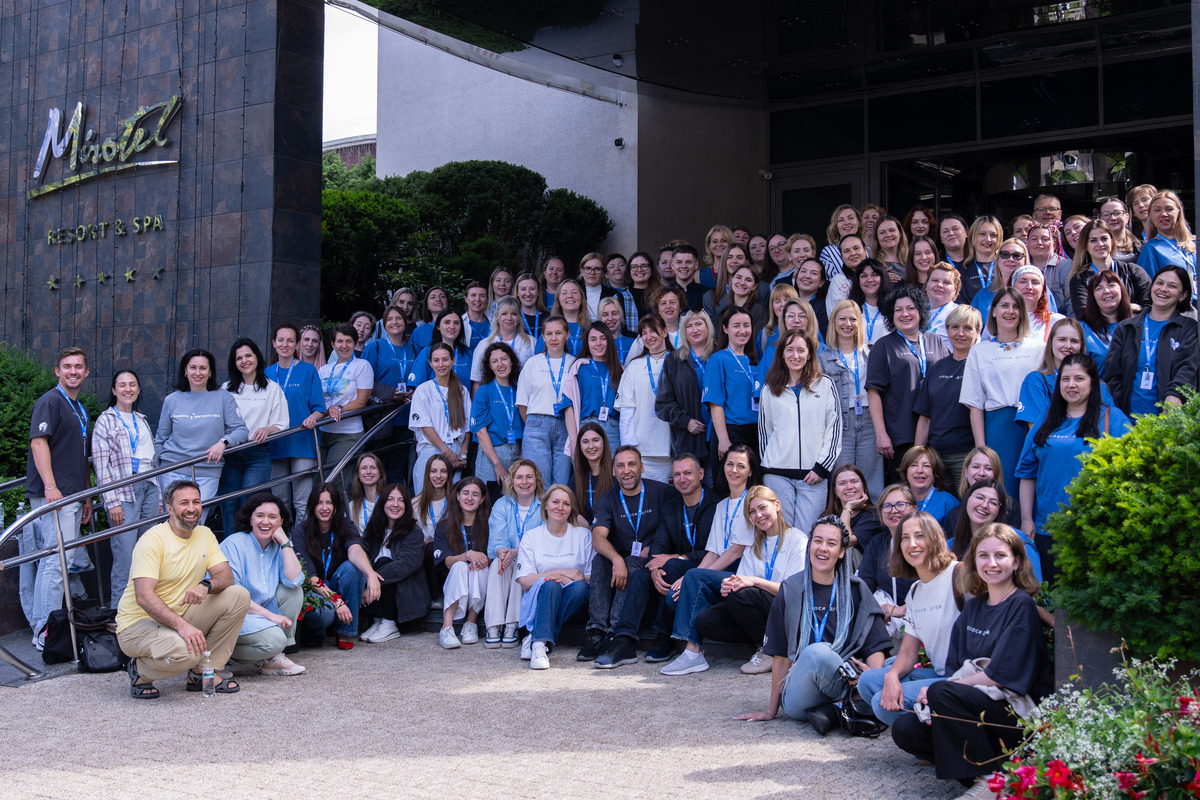
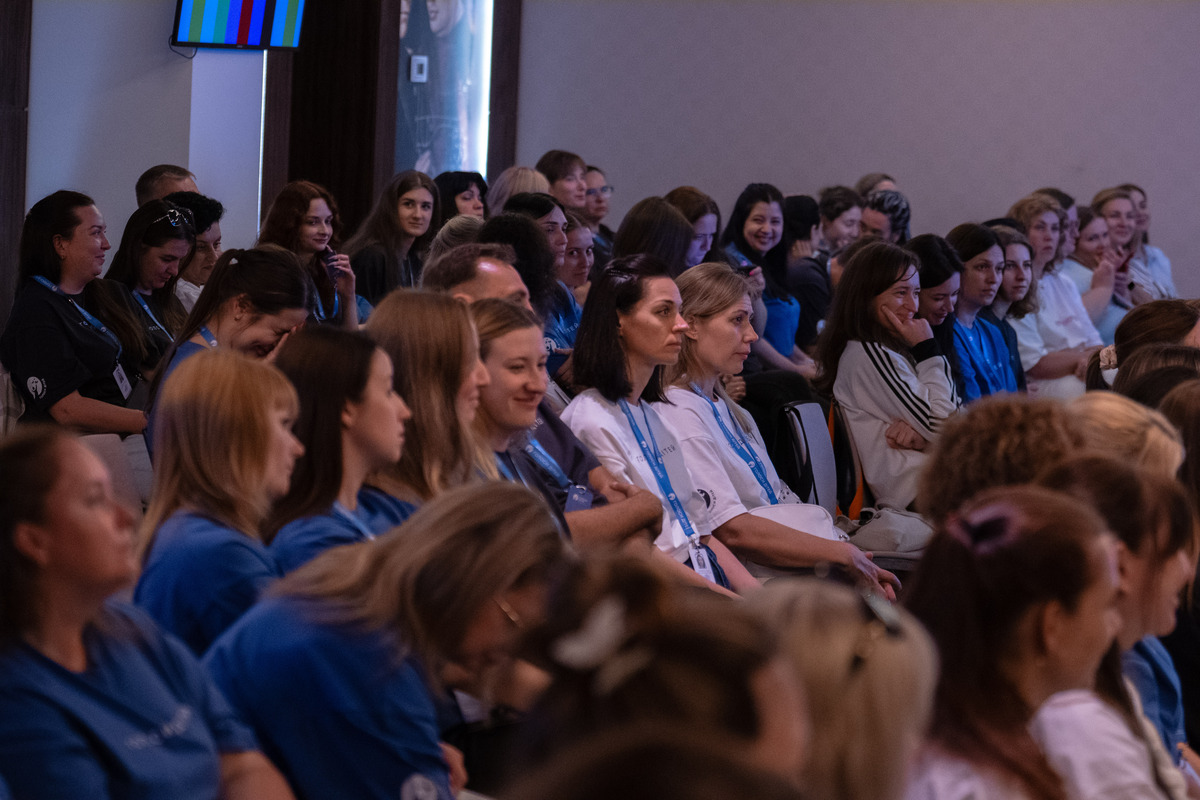
Voices of Children sets aside an entire week for such a retreat. In a shorter period, people simply do not have enough time to believe they are safe, relax and finally get some rest — to work in groups, learn how to cope with burnout, discuss the foundation’s future and wake up somewhere where, instead of sirens, they can hear music drifting in from the evening streets.
How to support the work of Voices of Children’s regional centres
If there is one of our centres in your city, follow the foundation’s social media channels for information about upcoming events. At our regional centres, children and teenagers can find a community of like-minded people, receive psychological support, take part in creative activities and play games. If needed, anyone can also contact our free psychological support line for children and parents: 0 800 210 106.
Every session and every mobile-team visit is made possible by the people who support the foundation. The same “good hands” that the girl from Mykolaiv spoke of so warmly could be yours, too.
Share: