Author:

Yuliia Didenko
War takes away children’s stability, security, and the childhood they once knew. Winter is a time when we especially long for warmth, light, and the feeling that someone is by our side. That’s why we are launching the campaign “What If the Patronus Is Actually You?” to unite a community of supporters and help Ukrainian children who have lived through traumatic experiences of the war, lost their loved ones, and need support.
A Patronus can be anyone. Our collective goal is to reach 1,000 monthly Patronuses and raise $60,000, including one-time donations, to provide comprehensive psychological support to children during the war.
A Patronus can be anyone. Our collective goal is to reach 1,000 monthly Patronuses and raise $60,000, including one-time donations, to provide comprehensive psychological support to children during the war.
About the Campaign
Our children live in the reality of war, hear explosions, experience anxiety, lose their sense of safety, and sometimes are deprived of basic things like electricity.
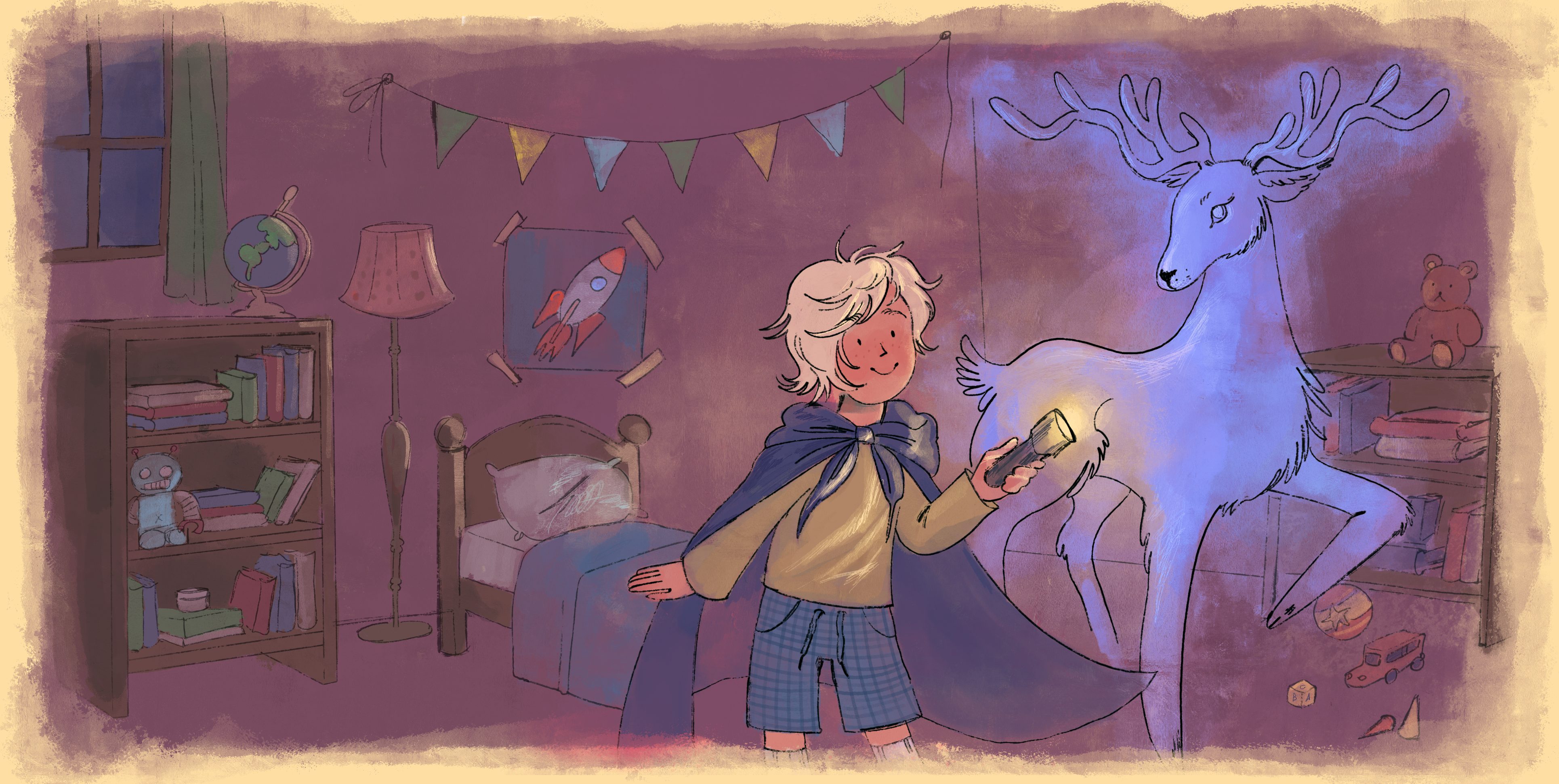
The term Patronus comes from Latin and means “protector” or “guardian”—someone who shields from things that take away happiness. The Foundation adopted the familiar image of light overcoming fear to show that in the lives of Ukrainian children, Patronuses are real people. For example, a psychologist who comes with a flashlight during power outages, talks to the child, helps them cope with their fears, or teaches breathing exercises when the sirens sound again.
And a Patronus can be each of us—adults who support Ukrainian children and, with our donations, bring them light.
The term Patronus comes from Latin and means “protector” or “guardian”—someone who shields from things that take away happiness. The Foundation adopted the familiar image of light overcoming fear to show that in the lives of Ukrainian children, Patronuses are real people. For example, a psychologist who comes with a flashlight during power outages, talks to the child, helps them cope with their fears, or teaches breathing exercises when the sirens sound again.
And a Patronus can be each of us—adults who support Ukrainian children and, with our donations, bring them light.
How We Support Children
One-time donations enable us to respond quickly to the urgent needs of children and families. Regular monthly donations allow us to plan our work in advance: develop regional centers, coordinate mobile teams, and conduct online sessions.
Where we direct donations:
Where we direct donations:
-
Psychological support—individual and group sessions at regional centers across Ukraine (including in frontline communities), as well as online consultations for children and parents.
-
Safe spaces—creative studios, support groups, and adolescent programs. Spaces where children socialize, learn self-regulation, and regain a sense of everyday life.
-
Camps and recovery programs—children and their parents rest, make friends, and recover from their traumatic experiences.
-
Childhood Center—we are building Ukraine’s first large-scale rehabilitation center for children and parents.
-
Support for the families of Ukraine’s defenders and veterans—assistance for those experiencing separation, anxiety, and sudden changes.
-
Humanitarian aid—when basic needs are not met, it is impossible to ensure the stability of a child’s life.
-
Work with schools and communities—offering training sessions for educators and social workers.
-
Center for Psychological Expertise and Methodology—studies the needs of children across the country, develops methodologies, and trains specialists.
How to Join and Become a Patronus for a Child
Join the community in a way that’s convenient for you*. You can set up monthly support through the form on the Foundation’s website (Liqpay), MonoBase (monobank), or Patreon. You can also make one-time donations on the website.
Thanks to your care, we are confident that we will be able to be there for the children consistently—in winter, when it is especially challenging, and throughout the entire year. We are focused on providing consistent support so that children know there are adults they can rely on at any moment.
Thanks to your care, we are confident that we will be able to be there for the children consistently—in winter, when it is especially challenging, and throughout the entire year. We are focused on providing consistent support so that children know there are adults they can rely on at any moment.
Let’s ignite this light together. Because the Patronus is actually you.
* You can pause your subscription at any time in the platform settings or by emailing [email protected].
Share:
