Author:

The Foundation's team
Psychological support is at the core of Voices of Children’s work. Families can access it through our regional centers, camps, and art residencies. For those who cannot reach these programs, the Foundation operates anonline psychological support helpline.
The service is available through a Telegram bot, a Viber bot, and a dedicated phone number, where administrators are on duty every day from 9 a.m. to 8 p.m. Psychologist Olena Lisova coordinates the helpline and hasfirst-hand knowledge of the concerns and challenges that bring children and parents to our psychologists.
The interview was conducted by Sofiia Dubykivska, 17 years old, from Kyiv.
The interview was conducted by Sofiia Dubykivska, 17 years old, from Kyiv.
How a Psychologist from Chernivtsi Became the Coordinator of the Foundation’s Online Support Helpline
- How long have you been working within the Foundation, and how did you join the team?
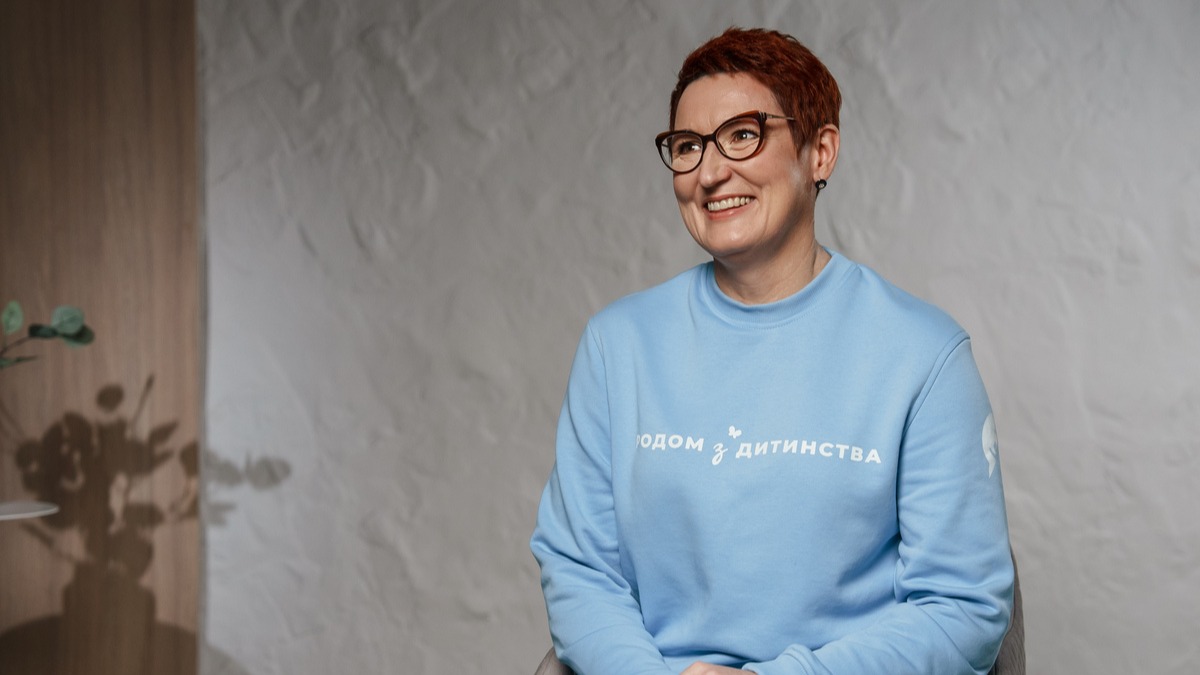
Olena: I am a psychologist by training, hold a PhD, and am the mother of three children. I joined the Foundation in May 2022. I started as a psychologist at the regional center in Chernivtsi, one of the first centers opened when Russia’s full-scale invasion began. In December 2024, I joined the Center for Psychological Expertise and Methodology as an expert, and in May 2025, I became the coordinator of the online support helpline.
- Tell us about the online support helpline as if you were explaining it to someone hearing about it for the first time.
Olena: The helpline provides remote psychological support for people who cannot access our regional centers. It also offers support to people who have been forced to leave Ukraine. Our main target audience is childrenand their parents affected by the war. There are three main ways to reach out: a Telegram bot, a Viber bot, and a phone line. Administrators are on duty on the helpline every day, seven days a week, from 9 a.m. to 8 p.m.
They process the request, pass it on to a psychologist, who then contacts the person, arranges a session, and connects in the way that works best for both the person and the psychologist, most often by video call, as thisallows the psychologist to better understand the person’s condition and provide more effective support.
How the Online Support Helpline Handles Complex Cases
- What kinds of requests were most common in 2025?
Olena: Between April and October 2025, the majority of requests were related to fears, anxiety and panic states in children and adolescents, obsessive-compulsive disorders, generalized anxiety disorders, and sleepdisturbances.
In December 2025, another group of requests became the most frequent: psychological support for mothers or caregivers related to difficulties with a child and parental emotional burnout. We also see many complexemotional challenges among children of military personnel. Sometimes parents ask for advice on how to tell a child about the death of a loved one or that someone has gone missing in action.
Other common concerns included difficulties with socialization, communication with peers and family, and feelings of loneliness. We frequently receive requests related to adjusting to life abroad after forced evacuation. Older children who have become caregivers for younger siblings also reach out for support.
Other common concerns included difficulties with socialization, communication with peers and family, and feelings of loneliness. We frequently receive requests related to adjusting to life abroad after forced evacuation. Older children who have become caregivers for younger siblings also reach out for support.
There are more difficult topics as well. Suicidal thoughts among teenagers tend to intensify during periods of heavy shelling. We also receive requests related to self-harm, and unfortunately, the age of children who turn to self-harm as a coping mechanism is decreasing.
- What happens when a request falls outside the scope of what your team provides?
Olena: We refer people elsewhere, of course. Requests come in many different forms. Sometimes a person writes only one or two words: “depression,” “I’m not doing well.” That is a request, too. In such situations, weask our administrators to call the person and clarify the context. If the issue falls within our area of expertise, we connect them with one of our psychologists. If not, we refer them to partner organizations. We maintain ourown database of contacts specifically for cases like these.
What a Typical Day Looks Like for the Coordinator of the Online Support Helpline
- What does a typical workday look like for you?
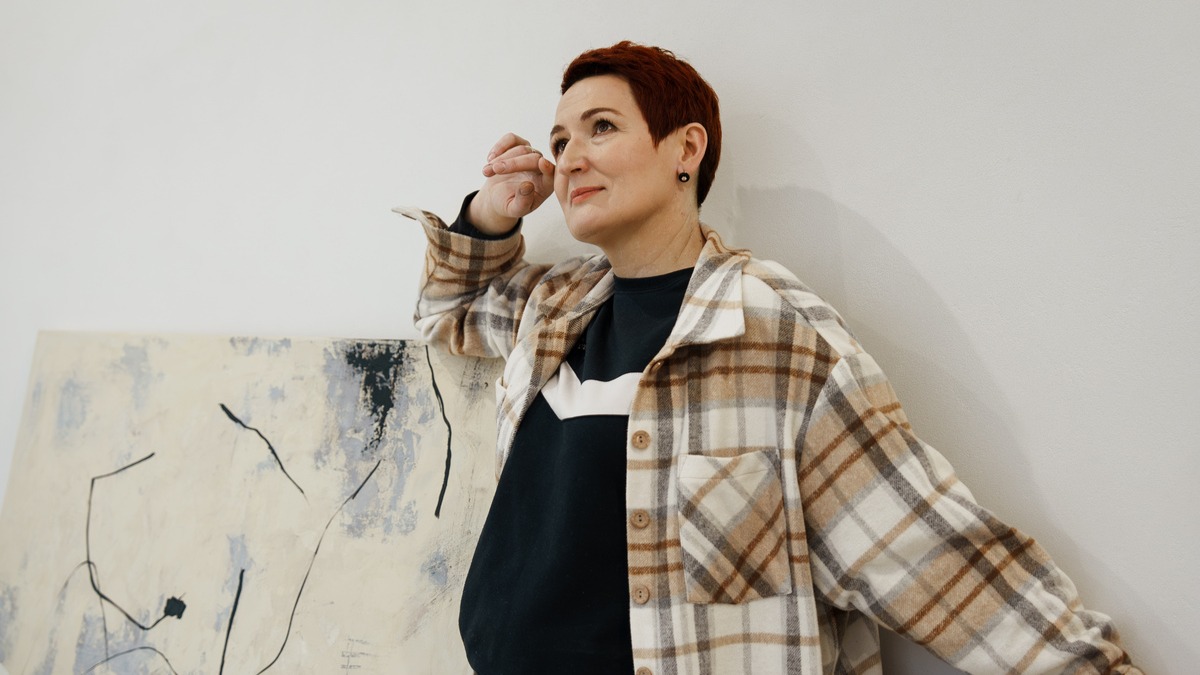
Olena: My day starts with opening my laptop and checking our CRM system to see whether any new requests have come in. Then I message the administrators. For example, today I opened the system and saw no requests. I thought, “What’s going on? It’s already ten in the morning, that’s unusual.” So, I messaged a colleague and asked, “Have we had any requests today?” She replied, “Yes, we received two phone calls, but they weren’t related to our area of work, so I provided informational consultations.”
After that, I review the administrators’ duty schedule so I know who will be available throughout the day. At the moment, I’m working with ten psychologists. I share new requests in our team group and ask who isavailable to take them. Throughout the day, I monitor incoming cases, communicate with administrators, and clarify the needs of children and adults who have reached out for support.
Once a month, I prepare a report by collecting data from all psychologists about the number of consultations provided. From time to time, we also develop internal documents that help optimize psychologists’ work andimprove coordination. We continuously refine our procedures for responding to cases of violence and abuse.
- How do you manage to maintain balance and stay productive?
Olena: The truth is, I do not always stay productive. And that is normal. You need to allow yourself to be unproductive sometimes. You need to allow yourself to make mistakes. It passes.
What helps me most are the working conditions at the Foundation and the work itself. My job is filled with meaning and purpose, and I feel tremendous support from the team. That support is what enables me to do mywork well. And because of that, I genuinely enjoy what I do.

The war continues, and even more children need our support.
To continue helping and reach even more families, we need your support. You can make a donation in any way that is convenient for you, become a monthly donor, or help by sharing information about our work withothers.
Every contribution matters.
Every contribution matters.
Share: